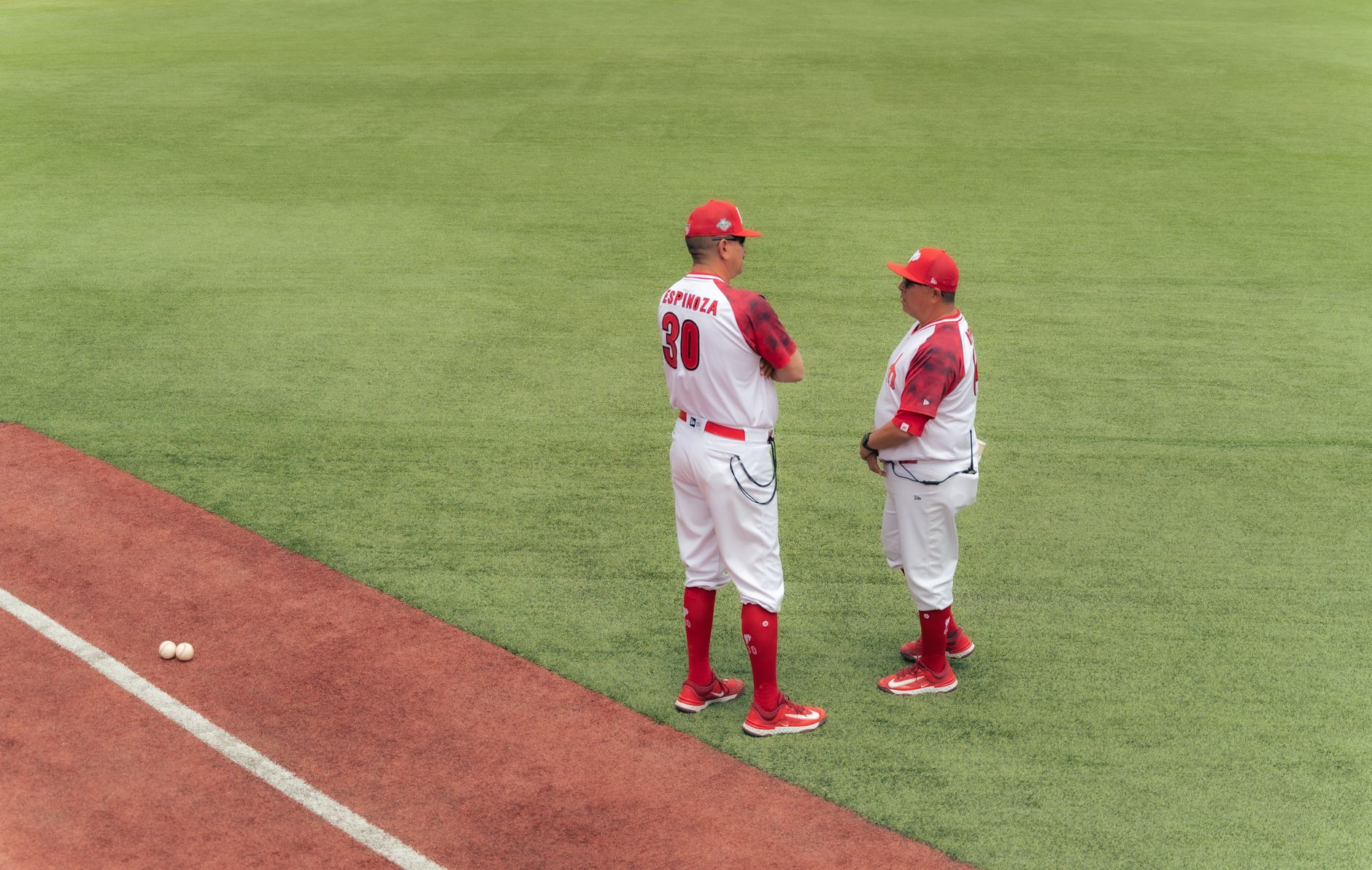
Guardians’ Stephen Vogt Discusses Challenges of Mariners’ Six-Man Rotation
Stephen Vogt, a veteran player for the Guardians, recently shared insights regarding the Seattle Mariners’ six-man rotation, emphasizing the complexities that come with such a strategy. While on the surface, this approach may seem straightforward, Vogt highlights that the reality is much more nuanced, especially when considering the demands placed on both starters and the bullpen.
The Mariners have been praised for their robust and resilient pitching staff, which allows them to implement a six-man rotation effectively. This setup grants the team valuable flexibility, enabling them to manage their pitchers’ workloads throughout the grueling MLB season. However, Vogt, drawing from his own experience, cautioned that this strategy is not without its challenges.
Last season, the Guardians explored a similar rotation model during a critical September stretch, hoping to keep their pitchers fresh and competitive. Unfortunately, the attempt to juggle pitching responsibilities resulted in significant strain on the team’s starters and relief pitchers alike. Vogt noted that while it can be beneficial to add an extra arm to the rotation, it often requires a delicate balance that can disrupt established routines and performance consistency.
One of the primary concerns with a six-man rotation is the impact on a pitcher’s rhythm. Starters thrive on routine, and when that is altered, it can lead to inconsistencies in performance. “When you change the schedule for starters, it can take them out of their comfort zone,” Vogt explained. This can be particularly challenging for younger pitchers who may still be developing their skills and confidence on the mound.
Moreover, the added pressure on the bullpen is another significant factor. With one additional starter, the dynamic of late-game situations can shift dramatically. The Guardians experienced this firsthand, as their relief pitchers were often called to handle more innings than initially anticipated. Vogt emphasized the importance of having a strong and deep bullpen to support the rotation, as well as the need for clear communication among all pitching staff.
As the Guardians prepare for the upcoming season, Vogt’s insights serve as a reminder of the intricacies involved in managing pitching rotations. While the Mariners may find success with their current strategy, the Guardians are likely to approach their own rotation with caution, ensuring that they prioritize both performance and health throughout the season.
In a league where every game counts, the balance between innovation and tradition in pitching strategies will remain a critical focus for teams looking to maximize their chances of success.