Israel Detonates Tunnel, Strikes Southern Lebanon Amidst Tensions with Hezbollah
The Israeli military has carried out significant operations in southern Lebanon, including the detonation of a large tunnel and airstrikes in the region. These actions have escalated tensions in an area already fraught with conflict, as Hezbollah, the Iran-backed militant group, has asserted its right to defend itself against such aggression.
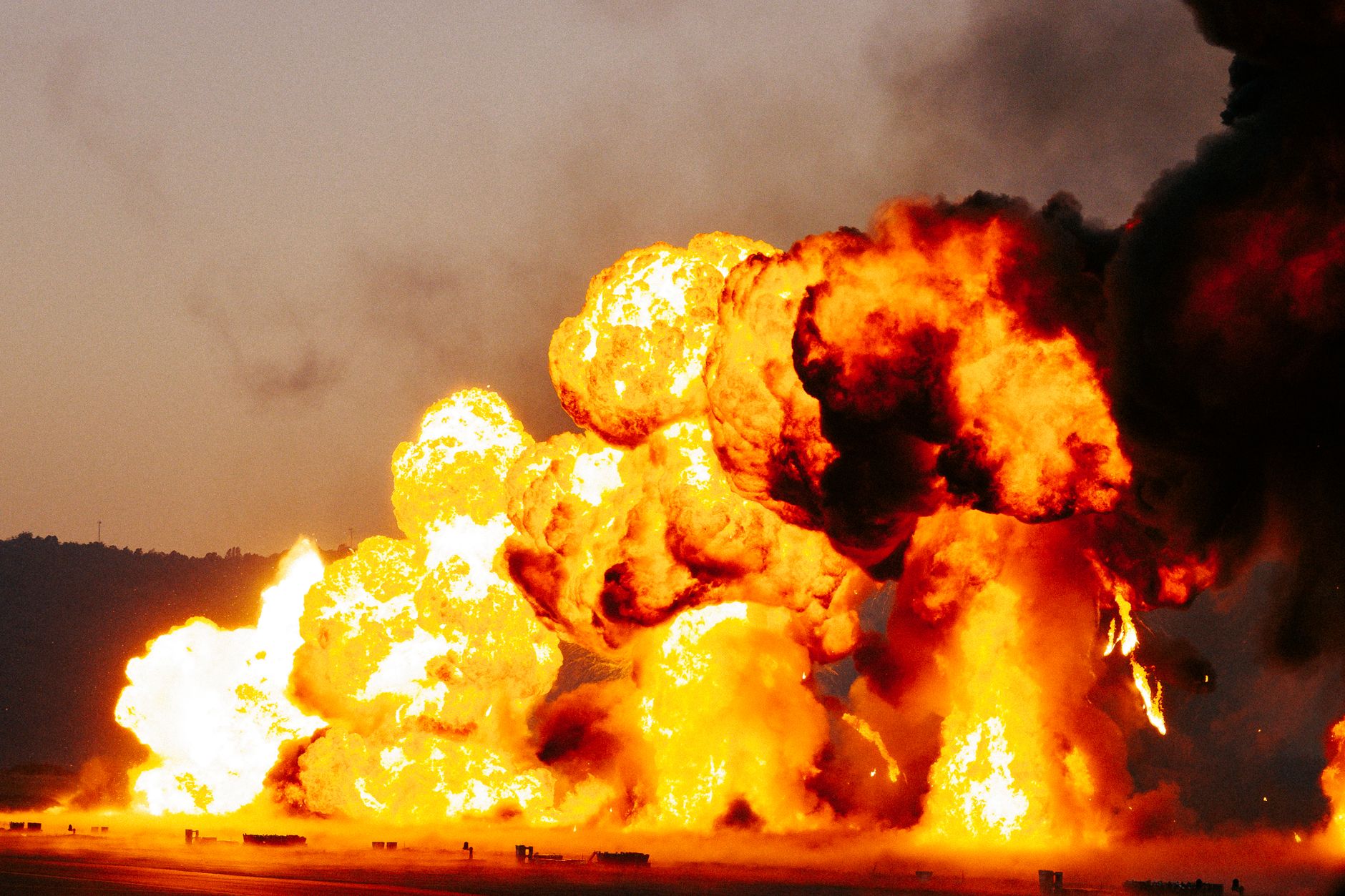
On Sunday, the Israeli Defense Forces (IDF) confirmed the destruction of an extensive tunnel they claim was utilized for military purposes by Hezbollah. This operation was accompanied by targeted airstrikes, which Lebanese state media reported as impacting various locations in southern Lebanon. The Israeli military stated that these actions were necessary to ensure the security of its northern borders and to disrupt what it sees as a threat from Hezbollah.
In response to the Israeli military’s actions, Hezbollah has publicly declared its intention to respond as it sees fit. The group, which wields significant influence in Lebanon, emphasized its right to self-defense, framing the Israeli strikes as an affront to Lebanese sovereignty. This rhetoric from Hezbollah indicates that the situation may lead to further escalations in military confrontations in the region.
These developments come on the heels of a trilateral framework agreement signed by Lebanon and Israel under the auspices of the United States just days prior, aimed at fostering peace and stability between the two nations. The agreement primarily focuses on maritime boundaries and the disarmament of Hezbollah, a goal that has proven to be challenging given the group’s entrenched position in Lebanese politics and society.
The timing of Israel’s military actions raises questions about the viability of the recent peace efforts. Critics argue that such aggressive tactics may undermine diplomatic progress and further entrench hostilities. Observers note that any potential retaliation by Hezbollah could lead to a broader conflict, impacting not only Lebanon and Israel but also the wider region, which has seen a resurgence of tensions in recent years.
As the situation unfolds, both local and international stakeholders are closely monitoring developments. The potential for escalation remains a concern, especially considering the complex web of alliances and enmities in the region. The aspirations for peace, particularly in the context of the recent agreement, face significant challenges in light of the ongoing military actions and the responses they provoke.
In the coming days and weeks, the international community is expected to engage in discussions aimed at de-escalating the situation and reaffirming the importance of dialogue over military confrontation. The hope remains that, despite the current tensions, a path toward lasting peace can still be forged, benefiting both Lebanon and Israel.