Rescuers in Venezuela Save Child from Debris After Twin Earthquakes
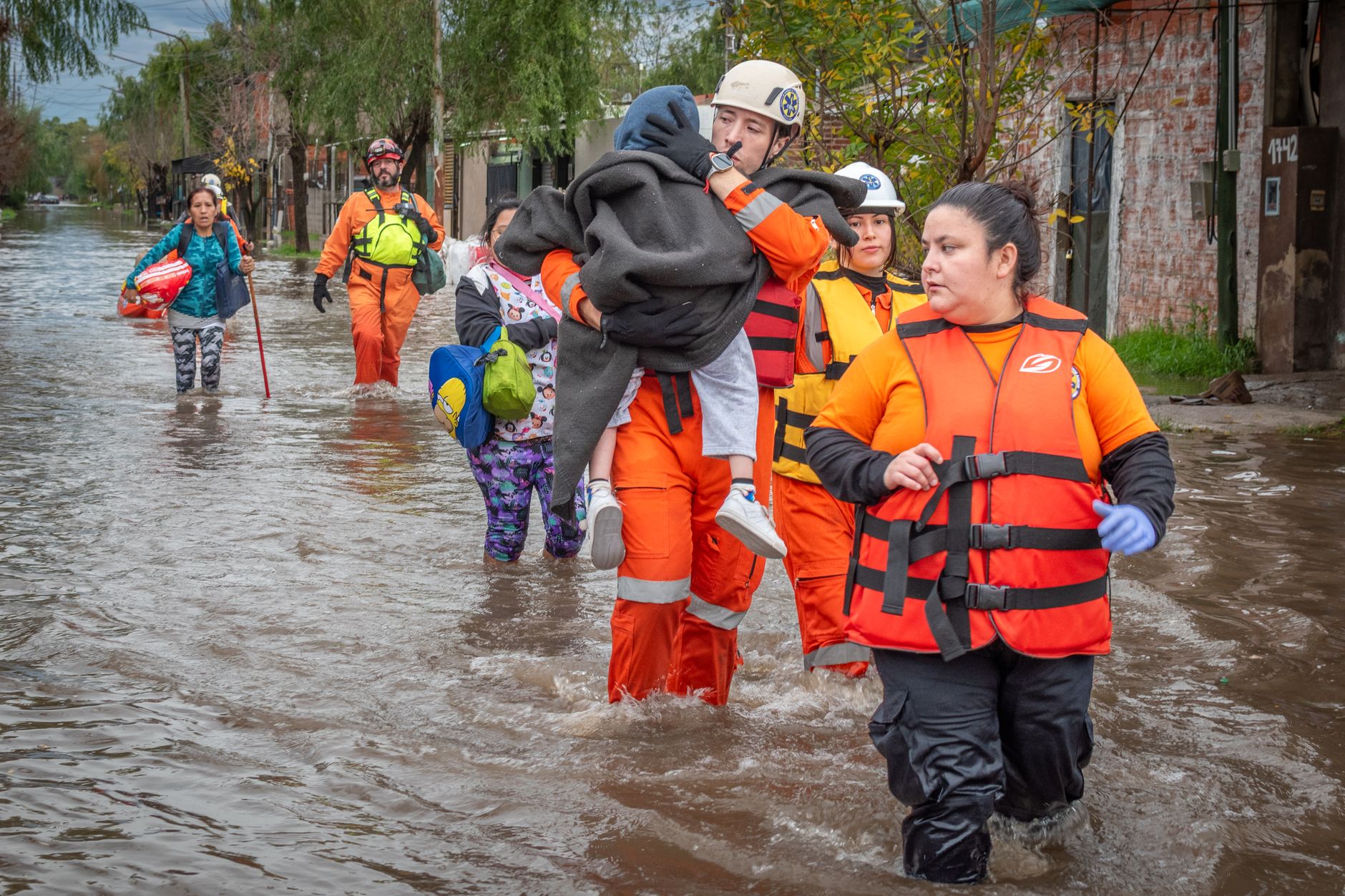
In a remarkable display of hope amid tragedy, a child was rescued from the ruins of a collapsed building in Venezuela six days after the region was struck by two powerful earthquakes. The operation took place early on Tuesday, drawing attention to the ongoing recovery efforts in the wake of this natural disaster.
The child, identified as Klieber Moran, was found alive beneath the debris of the Los Corales Garden 1 building located in La Guaira state. This building was one of many that suffered severe structural damage during the tremors that rattled the area last week. The rescue was executed by a team of emergency workers from Jordan, who have been on the ground assisting Venezuelan authorities in the search and recovery operations.
Venezuela’s acting President Delcy Rodriguez confirmed the rescue through a message on Telegram, expressing gratitude to the Jordanian team and emphasizing the significance of finding a survivor after such a harrowing period of uncertainty. The rescue of Klieber Moran has provided a glimmer of hope to the local community and highlights the resilience of those affected by the disaster.
The twin earthquakes, which struck on June 24 and June 27, caused widespread destruction across various regions, resulting in significant casualties and damage to infrastructure. Emergency services have been tirelessly working since the earthquakes occurred, searching for survivors and providing aid to those in need. The plight of Klieber has drawn national and international attention, showcasing the collaborative efforts between local and foreign rescue teams.
As rescue operations continue, Venezuelan authorities are also focusing on providing immediate support to the families who have lost their homes and loved ones in the earthquakes. Relief efforts include food distribution, medical assistance, and temporary shelter for those displaced by the disaster.
In the aftermath of the earthquakes, the Venezuelan government has faced challenges in mobilizing resources, but the international community’s response has been commendable. The presence of foreign rescue teams, including those from Jordan, has underscored the spirit of solidarity that transcends borders during crises.
While the rescue of Klieber Moran serves as a beacon of hope, the road to recovery for Venezuela will be long and demanding. The government and local organizations are committed to rebuilding and providing support to those affected, but they will need ongoing assistance to address the extensive damage caused by the earthquakes.
As the nation grapples with the aftermath, the focus remains on honoring the resilience of the Venezuelan people while ensuring that aid and recovery efforts continue in full force. The story of Klieber Moran is a poignant reminder of the strength of the human spirit, even in the face of overwhelming adversity.