Coffin of Slain Iranian Supreme Leader Arrives in Najaf, Iraq
The coffin of the late Iranian Supreme Leader Ayatollah Ali Khamenei has reached the holy city of Najaf, Iraq, drawing significant attention and tributes from both Iraqi officials and religious leaders. The arrival of the coffin was reported by Iraqi state television, marking a moment of mourning for many in the region.
Upon its arrival at Najaf International Airport, the coffin was received by Iraqi Prime Minister Ali al-Zaidi along with senior political figures and prominent Shi’ite clerics. This event is set against the backdrop of a region deeply intertwined with religious and political histories, and Khamenei’s influence extended beyond Iran’s borders, resonating particularly within Shi’ite communities in Iraq.
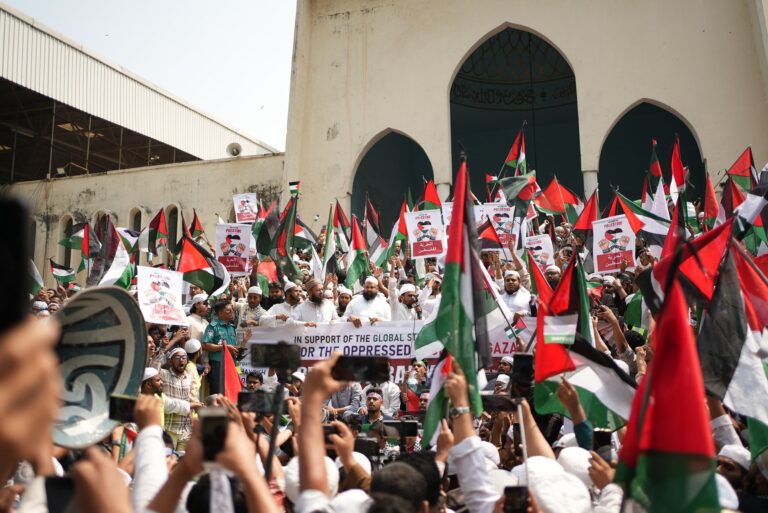
The reception was characterized by solemnity, with Iraqi leaders expressing their condolences and respect for Khamenei’s leadership and role in the Shi’ite community. As the coffin made its way from the airport, it was greeted by a growing number of mourners, reflecting the significant impact Khamenei had on Shi’ite Muslims across the region.
In the days following Khamenei’s death, extensive preparations have been made for funeral ceremonies and public mourning events, which are anticipated to attract large crowds. These gatherings are not only a testament to Khamenei’s legacy but also highlight the intricate relationship between Iran and Iraq, particularly among the Shi’ite populace.
Public mourning is expected to culminate in a mass procession on Wednesday, where thousands are likely to pay their respects. The ceremonies will feature prayers and tributes, emphasizing Khamenei’s role as a spiritual leader and political figure in the Islamic Republic of Iran. His death has left a significant void within the leadership structure, and the events in Najaf are emblematic of the ongoing discussions surrounding his legacy.
Local authorities are preparing for the large influx of attendees, ensuring that security measures are in place to maintain order during the processions. Community leaders have urged participants to honor Khamenei’s memory in a manner that reflects the values of peace and unity within the Shi’ite community.
As the public mourning unfolds in Najaf, the event serves as a reminder of the deep connections between Iran and Iraq, particularly in the context of shared religious beliefs and political alliances. Khamenei’s influence will likely continue to be a point of discussion among scholars, political analysts, and community members as the region reflects on his legacy and its implications for the future.