Trump Rescinds Syria’s Designation as State Sponsor of Terrorism
In a significant shift in U.S. foreign policy, President Donald Trump has informed Congress of his decision to remove Syria’s designation as a State Sponsor of Terrorism. This announcement was made by a senior official within the Trump administration, marking a notable departure from previous U.S. positions regarding the Syrian government.
The designation, which has been in place for nearly four decades, categorized Syria as a state that supports terrorist organizations and activities. The removal of this label is expected to open discussions about potential diplomatic relations and a reassessment of the ongoing conflict in the region. It also suggests a possible recalibration of U.S. strategies concerning Middle Eastern geopolitics, particularly in relation to Iran and groups such as Hezbollah.
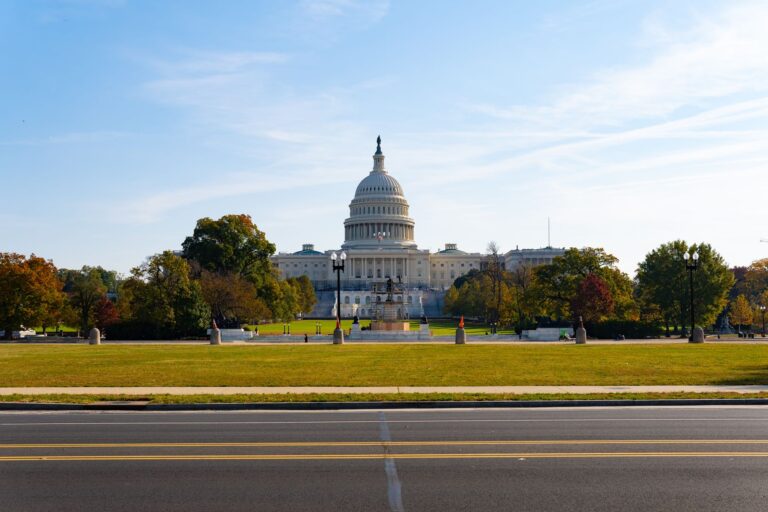
This decision does not take immediate effect; it triggers a mandatory 45-day review period during which Congress can assess the implications of this policy change. Lawmakers will have the opportunity to voice their concerns or support for this move, and it remains to be seen how they will respond. Some members of Congress have historically been critical of the Syrian government and may oppose the removal of the designation, viewing it as a reward for the Assad regime.
Supporters of the decision argue that rescinding the designation could facilitate negotiations and foster stability in a region that has been marred by conflict for years. They contend that it may also lead to improved humanitarian efforts and a more constructive engagement with Syrian authorities, particularly as the U.S. seeks to address the ongoing humanitarian crisis in Syria, which has resulted in millions of displaced individuals and widespread suffering.
Critics, however, caution that this move could undermine U.S. credibility and embolden the Assad regime. They express concerns that it may signal a lack of accountability for the Syrian government, which has been accused of numerous human rights violations and war crimes throughout the ongoing civil war. Many fear that this could further complicate relationships with U.S. allies in the region who remain wary of Assad’s governance.
As the 45-day review period unfolds, stakeholders from various sectors, including humanitarian organizations, political analysts, and regional allies, will be closely monitoring the situation. The outcome of this review could have lasting implications for U.S. foreign policy in the Middle East and the future of Syria.
This moment serves as a pivotal point in U.S.-Syria relations, and the international community will be watching how both Congress and the Trump administration respond to this significant policy change.