Iranians Gather to Mourn Khamenei, Vow Revenge and Resistance
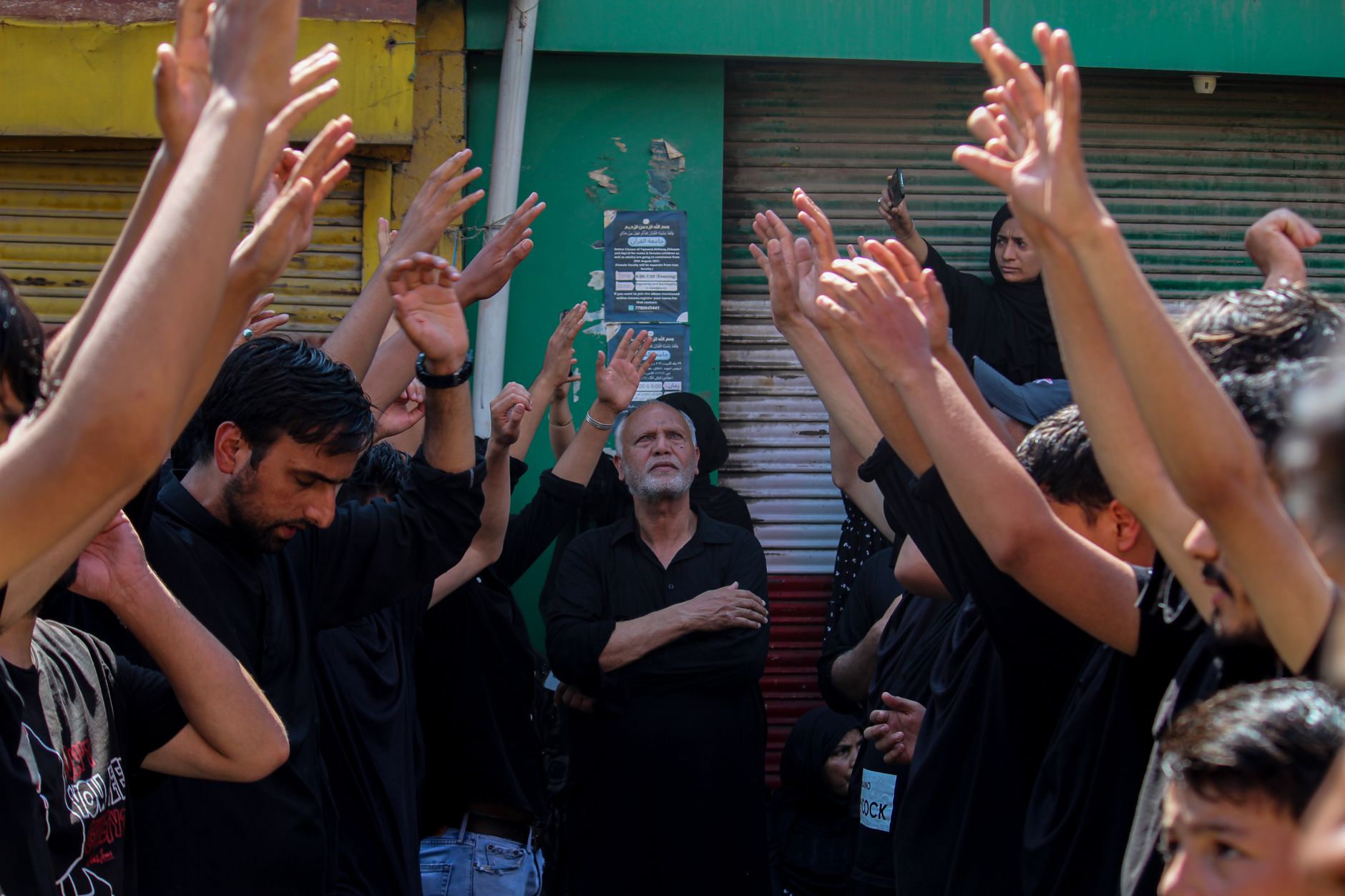
In a show of unwavering loyalty to the Islamic Republic, thousands of mourners gathered in the city of Mashhad on Thursday to pay their final respects to the late Supreme Leader Ali Khamenei. Despite the oppressive heat, many attendees were resolute in their calls for revenge against the West, as they expressed their deep-seated commitment to the values Khamenei represented during his tenure.
The atmosphere at the burial site was charged with emotion, as mourners waved red flags—a symbol of martyrdom and vengeance—while chanting slogans that underscored their defiance. Many participants rejected any notion of compromise with Western powers, insisting that Khamenei’s legacy would inspire a continued struggle against perceived enemies of the state.
“We are here with our red flags to call for the revenge of our leader,” declared one attendee, echoing the sentiments of many gathered around the gravesite. This sentiment was a common refrain throughout the day, as speakers at the event reiterated the importance of standing firm against foreign influence and aggression.
Khamenei, who served as the Supreme Leader for over three decades, was a polarizing figure both domestically and internationally. His death marks a significant transition for Iran, raising questions about the future direction of the Islamic Republic and its relations with the outside world. However, for the mourners in Mashhad, there was little room for reflection on future policies. Instead, their focus remained firmly on honoring Khamenei’s memory and the ideological framework he championed.
The burial ceremony also served as a platform for some of Iran’s political leaders to reinforce their commitment to Khamenei’s vision. Many officials took to social media and public speeches to emphasize the need for unity and resilience. Their messages were clear: the Islamic Republic would not waver in its stance against external pressures, particularly from the United States and its allies.
As the procession unfolded, a diverse crowd, ranging from young students to elderly veterans, filled the streets, all united in their grief and determination. Their chants and slogans reflected a broader narrative that has long been a part of Iran’s political landscape—one marked by resistance to foreign intervention and a call for vengeance against those perceived to undermine the nation’s sovereignty.
While the leadership transition is anticipated to bring new dynamics within Iran, the reactions displayed during Khamenei’s burial suggest that the core values of the Islamic Republic remain resilient among its supporters. As the nation navigates this pivotal moment, the commitment to revenge and defiance against Western influences appears poised to endure, shaping the future discourse in Iran for years to come.