New York City Lawmakers Advocate for Biometric Surveillance Ban at Madison Square Garden
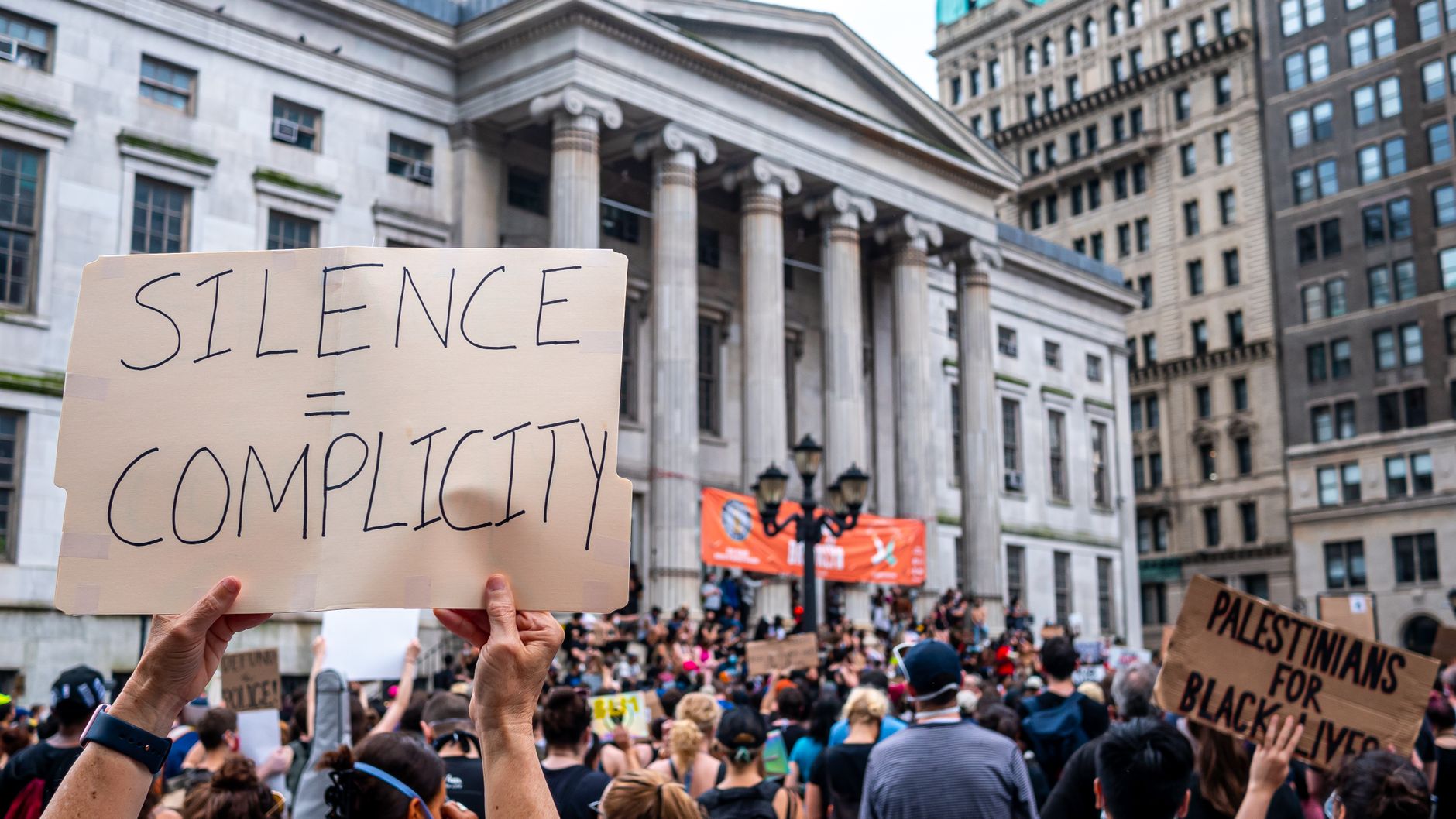
In a spirited assembly outside Madison Square Garden, a coalition of New York City lawmakers, musicians, and privacy advocates gathered to voice their concerns over the use of biometric surveillance technologies in public venues. The event aimed to draw attention to the potential privacy violations and safety issues arising from the deployment of facial recognition systems and other biometric scanning technologies at the iconic arena.
The push for stricter regulations comes in the wake of increasing scrutiny surrounding the use of facial recognition technology in public spaces. Critics argue that these systems, which can identify individuals without their consent, may lead to unwarranted surveillance and a loss of personal privacy. During the press conference, various speakers emphasized the need for transparency and accountability in how venues like Madison Square Garden utilize such technologies.
Among the prominent figures at the event was a well-known musician who expressed deep concerns about the implications of being monitored while enjoying live performances. “Concerts should be places where fans feel free and safe, not under constant surveillance,” they stated, calling for an end to invasive monitoring practices that make attendees feel uncomfortable.
Lawmakers highlighted that the push to “ban the scan” is part of a broader initiative to protect citizens’ rights in an increasingly digital world. They emphasized that while security is a legitimate concern for large venues, it should not come at the expense of individual privacy. Proponents of the ban argue that there are alternative security measures that can be implemented without resorting to intrusive surveillance methods.
Privacy advocates also joined the conversation, pointing out that the technology can disproportionately impact marginalized communities. They warned that the unchecked use of facial recognition tools could lead to racial profiling and other forms of discrimination. The coalition is advocating for legislation that would impose stricter limitations on the deployment of biometric surveillance in public venues, ensuring that attendees are informed about how their data is being used and giving them the option to opt-out.
The event underscored a growing public awareness and concern regarding technology’s role in everyday life. As more people become aware of their digital footprints, the call for privacy protection in public spaces is likely to gain momentum. Lawmakers are now exploring potential legislative measures that could reshape the landscape of biometric surveillance in New York City, aiming for a balance between security and the fundamental right to privacy.
As the debate continues, the future of biometric surveillance at Madison Square Garden and other public venues remains uncertain. However, the voices advocating for change are gaining traction, echoing a collective desire for a more privacy-conscious approach in an era dominated by technology.