Trump Directs Pentagon to Scale Back Military Exercises with South Korea
In a recent announcement, President Donald Trump has directed the Pentagon to significantly reduce the scope of joint military exercises with South Korea. This decision comes just hours before the scheduled commencement of these exercises and reflects a shift in U.S. military strategy in the region.
In a post on his social media platform, Truth Social, Trump expressed his dissatisfaction with the previous agreements that the U.S. had made concerning these military drills. He stated that while it was too late to completely cancel the upcoming exercises, he was “not happy” with the existing arrangements. This latest directive underscores the ongoing tensions and complexities in U.S.-South Korea relations, particularly in the context of North Korean threats.
The President’s comments also highlighted his frustration with Seoul’s reluctance to engage in actions against Iran, indicating that he views the alliance with South Korea as one that should be reciprocal in terms of military commitments. Trump’s administration has often emphasized the need for allies to shoulder more responsibility for their defense, and this latest announcement may be seen as a push for South Korea to align more closely with U.S. interests in other geopolitical matters.
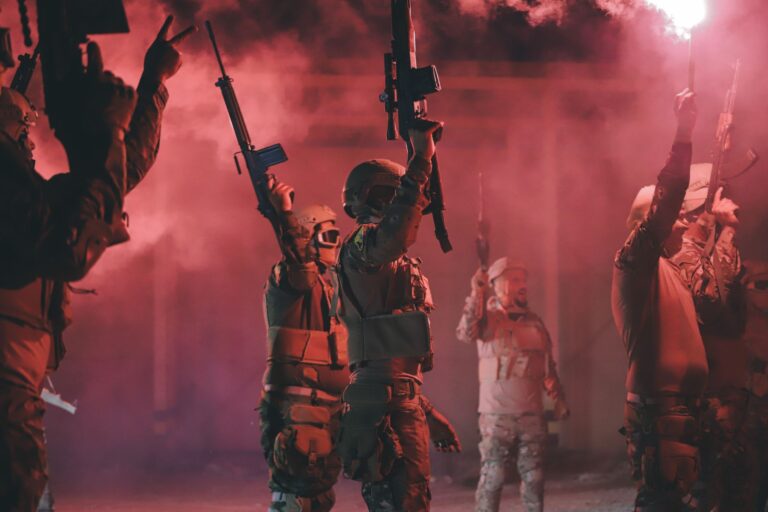
The decision to reduce military exercises is noteworthy, especially considering the historical context of U.S.-South Korea military cooperation. Joint military drills have been a cornerstone of the alliance for decades, intended to ensure readiness in the face of potential aggression from North Korea. Critics of the move may argue that scaling back these exercises could embolden North Korea, which has frequently condemned such drills as provocations and has responded with missile tests in the past.
Experts suggest that the reduction in joint exercises could also affect the strategic posture of the U.S. in the Asia-Pacific region. With rising tensions in various hotspots, including the Korean Peninsula, this pivot may signal a shift in how the U.S. plans to engage with its allies and adversaries alike.
As the situation develops, it remains to be seen how this decision will impact U.S. relations with South Korea and North Korea, as well as the broader regional security landscape. The reactions from South Korean officials and military leaders will be crucial in determining the future of the alliance and the effectiveness of any new strategy that emerges from this directive.
In summary, President Trump’s instruction to the Pentagon to cut back on military exercises with South Korea reflects a complex interplay of military strategy, international relations, and the evolving dynamics of U.S. foreign policy in Asia.