Iran and Oman Explore Temporary Corridor in the Strait of Hormuz Amid Ongoing U.S. Tensions
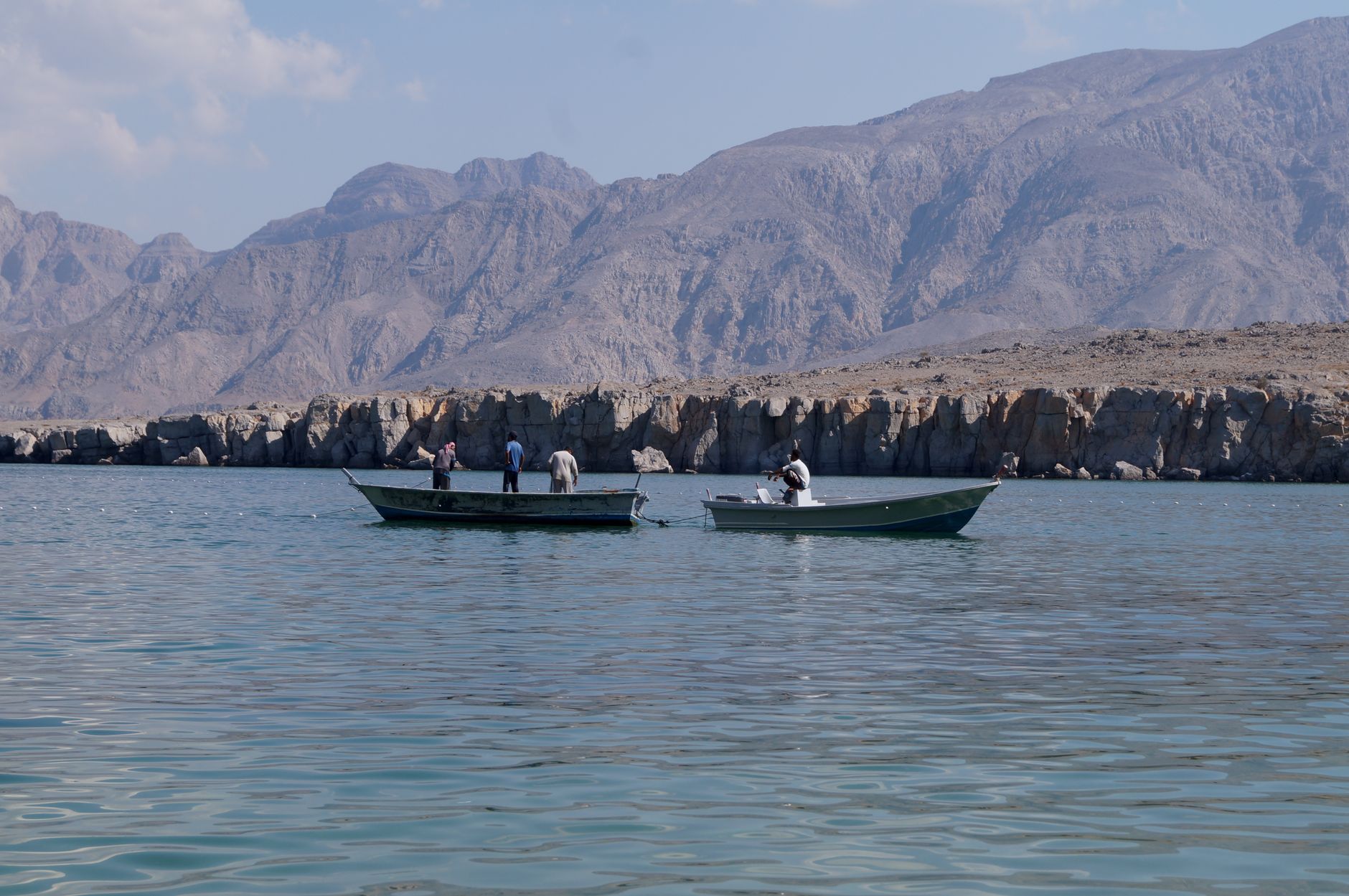
Iran has initiated discussions with its neighbor Oman regarding the establishment of a temporary maritime corridor to manage traffic through the crucial Strait of Hormuz. This development comes as Iran grapples with escalating economic pressures from the United States, particularly under the administration of President Donald Trump, amidst a protracted diplomatic standoff.
The Strait of Hormuz is a vital waterway, accounting for approximately 20% of the world’s oil and liquefied natural gas shipments prior to the onset of the ongoing conflict that began in February. The recent hostilities have significantly disrupted shipping activities in the region, leading to concerns about global energy security and economic stability.
In the wake of these developments, Iran and Oman have engaged in a series of on-and-off negotiations aimed at ensuring the safe passage of vessels through the strait. The talks aim to address the substantial decline in maritime traffic, which has been heavily impacted since the beginning of the conflict. With most shipping routes effectively closed, the need for a collaborative solution has become increasingly urgent.
Oman has historically acted as a mediator in regional conflicts, leveraging its neutral stance and strong diplomatic ties with both Iran and the United States. The Sultanate’s involvement in these discussions is seen as a potential stabilizing factor in an otherwise volatile situation, as it seeks to facilitate dialogue and foster cooperation between the two nations.
The ongoing discussions highlight the complex interplay of regional dynamics, particularly as Iran faces the dual challenge of maintaining its economic interests while navigating the pressures imposed by U.S. sanctions. The Iranian government has emphasized the importance of securing maritime routes, not only for its own economy but also for the broader stability of global energy supplies.
As the situation develops, stakeholders in the region and beyond will be closely monitoring the progress of talks between Iran and Oman. The establishment of a temporary corridor could serve as a critical step toward mitigating the current crisis and restoring some level of normalcy to shipping operations in the Strait of Hormuz.
While the prospects for a long-term resolution remain uncertain, the willingness of both Iran and Oman to engage in dialogue represents a cautious optimism in the face of mounting tensions. The outcome of these discussions may have significant implications for the region’s geopolitical landscape and the global energy market as a whole.