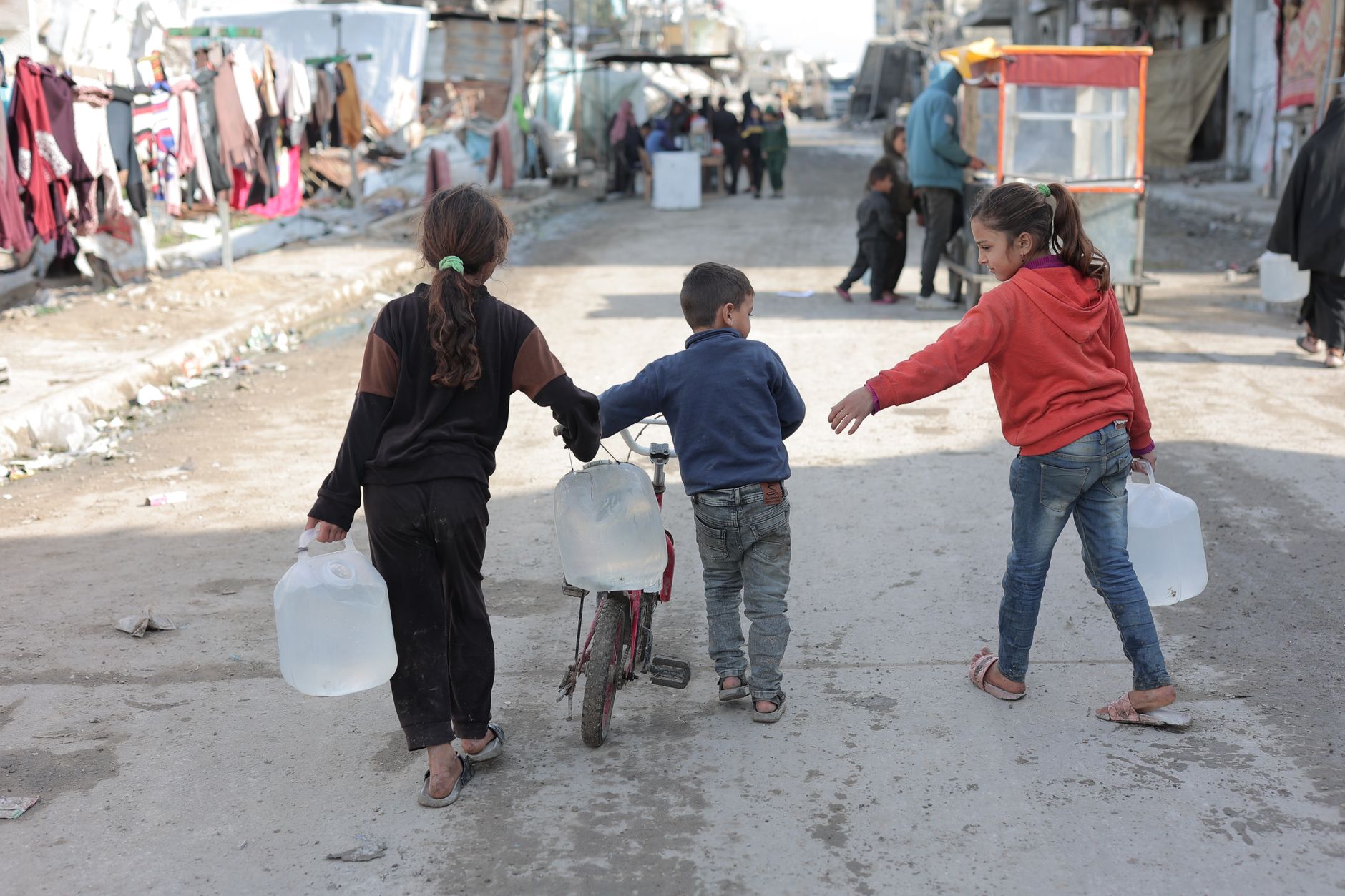
Gaza’s Children Face New Restrictions on Playtime as Tensions Rise
In the beleaguered Gaza Strip, childhood joys are increasingly becoming a casualty of ongoing conflict. For 10-year-old Ahmed Hamdouna, a boy who has already endured years of upheaval and displacement, the simple pleasure of flying kites has been curtailed by recent warnings from Israeli authorities. The military has indicated that it will intensify operations in response to kites that drift across the border, further stifling the few moments of happiness that children like Ahmed can experience.
Living in Deir el-Balah, a central area of Gaza, Ahmed has found his childhood defined by turmoil. He recalls a time when he could freely enjoy outdoor activities, but the shadow of conflict has loomed large over his young life. “My father stopped me from flying my kites because of the occupation’s threats,” he explained, reflecting the difficult choices families must make amid escalating tensions.
The use of kites has become a significant symbol for many children in Gaza, who turn to them as a means of escape from their grim reality. However, Israel views these kites with suspicion, claiming they can be used as tools for inciting violence or as a form of protest. The situation has led to heightened military responses and a climate of fear, where the innocent actions of children are now met with grave concerns about security.
The current environment in Gaza is characterized by a lack of safe recreational spaces for children. With ongoing military operations and a constant threat of violence, many families are forced to restrict their children’s activities. Ahmed’s father, like many parents, feels a profound sense of helplessness, caught between the desire to protect his child and the harsh realities imposed by the conflict.
The impact of such restrictions extends beyond mere play; it affects the mental and emotional well-being of children who are already grappling with trauma. Experts stress the importance of play in childhood development, particularly in conflict zones where children are exposed to stressors that can have lasting effects on their health.
As the situation remains volatile, the international community continues to call for a resolution to the conflict that has plagued Gaza for years. Local organizations advocate for the rights of children and the need for safe spaces where they can engage in play and learn without fear. In the meantime, children like Ahmed are left to navigate a childhood marked by loss, where even the simplest joys are overshadowed by the realities of war.
In a region where hope often seems elusive, the plight of Gaza’s children remains a poignant reminder of the need for peace and stability, allowing them the chance to reclaim their childhood and enjoy the simple pleasures of kite-flying once again.