Shipping Traffic Through Strait of Hormuz Sees Minor Increase Amid Ongoing Geopolitical Tensions
Recent data indicates a modest uptick in shipping traffic through the strategically significant Strait of Hormuz, despite ongoing tensions between the United States and Iran. This vital waterway, which serves as a key route for global oil shipments, has been under increased scrutiny due to the geopolitical standoff between these two nations.
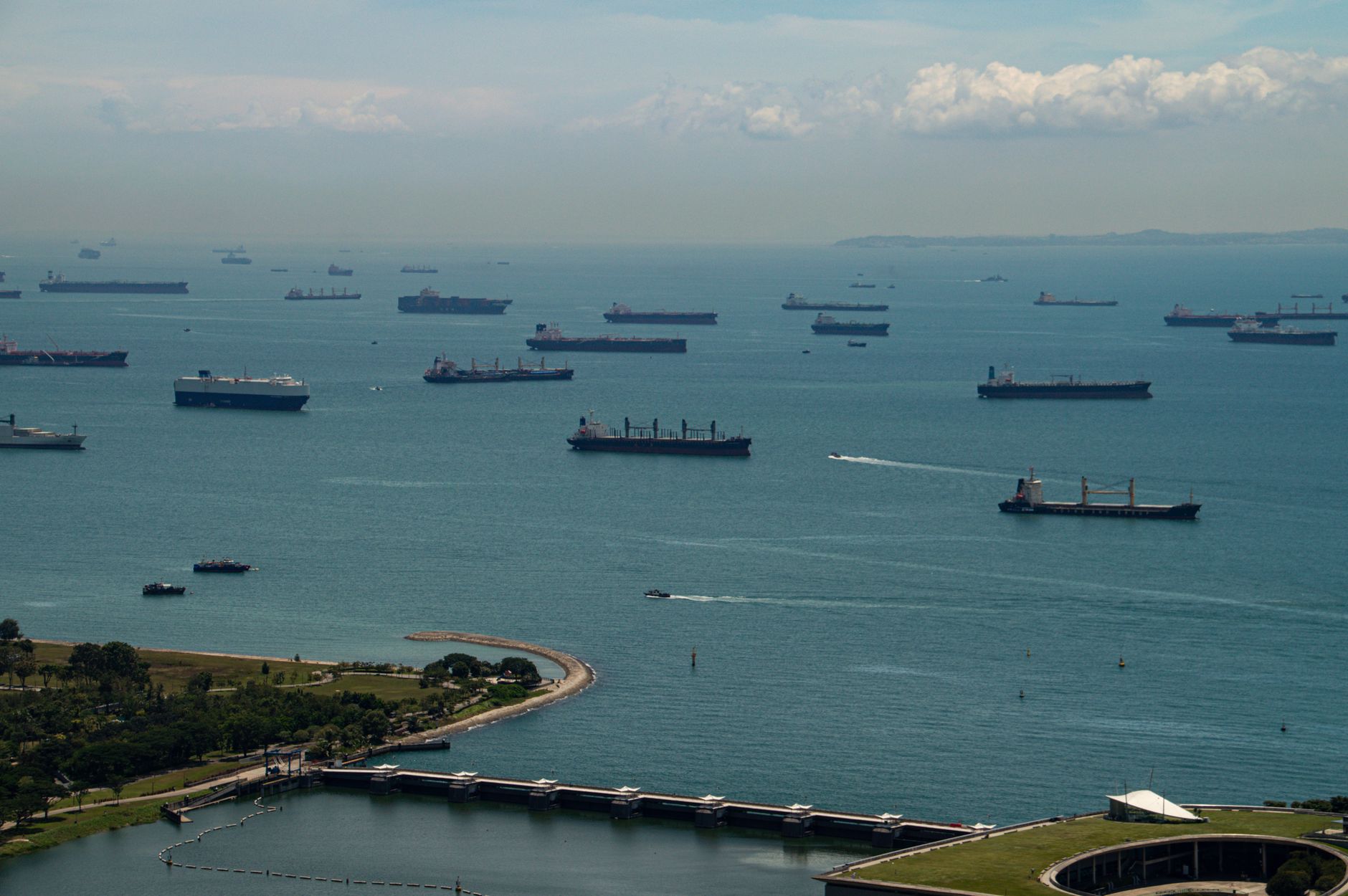
According to data from maritime analytics firm Kpler, the number of visible commodity vessels transiting the Strait rose to ten on Wednesday, a slight increase from eight the previous day. However, this figure remains below the 10-day moving average of approximately 15 vessels, highlighting the fluctuating nature of maritime traffic in this crucial region.
The Strait of Hormuz is a narrow passage that connects the Persian Gulf with the Gulf of Oman and the Arabian Sea. It is one of the world’s most vital shipping lanes, with nearly a fifth of global oil consumption passing through it. The rise in shipping traffic comes at a time when the region is facing heightened tensions, particularly as the U.S. and Iran engage in diplomatic maneuvers and military posturing.
In addition to the increase in vessel transits, discussions between Iran and Oman regarding the waterway have also garnered attention. These talks are critical as both nations seek to negotiate terms that could impact shipping safety and security in the area. The outcomes of these discussions may influence future shipping patterns and the overall stability of the region.
Industry experts continue to monitor these developments closely, with many concerned about the potential for disruptions in shipping routes due to the ongoing geopolitical climate. The Strait has seen previous incidents, including confrontations between U.S. forces and Iranian vessels, which have raised alarms about the security of maritime operations.
The rising shipping traffic, while slight, indicates a level of resilience among shipping operators in navigating the complexities of the current geopolitical landscape. However, stakeholders in the shipping and energy sectors remain cautious. They are aware that any escalation in tensions could lead to significant disruptions, impacting not only oil prices but also global trade dynamics.
As the situation evolves, it will be crucial for businesses and governments involved in trade through the Strait of Hormuz to stay informed and prepared for potential changes that could arise from both local and international developments.