Qatar PM to Visit Tehran to Advance Diplomatic Dialogue
Amid escalating tensions between the United States and Iran, Qatar’s Prime Minister is scheduled to visit Tehran this Thursday to foster diplomatic relations and explore avenues for mediation. This visit comes on the heels of recent exchanges of accusations between the two nations, particularly concerning the U.S. government’s commitment to intensify economic sanctions against Iran by targeting its trading partners.
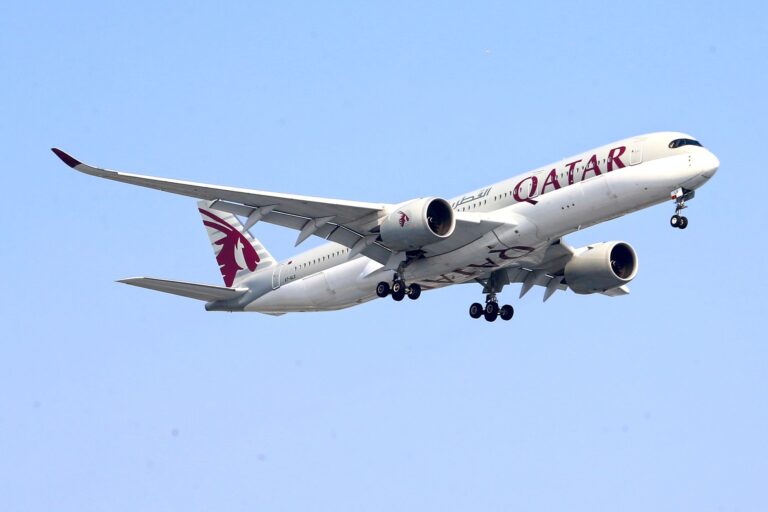
Qatar has positioned itself as a crucial intermediary in the region, leveraging its close ties with both the United States and Iran. Over the years, the Gulf nation has taken on the role of a back-channel negotiator, navigating complex geopolitical dynamics. Notably, Qatar played a significant part in facilitating a ceasefire in June, which temporarily halted hostilities between certain factions in the region.
The backdrop for this diplomatic push is marked by growing concerns over Iran’s nuclear activities and its influence in regional conflicts. The U.S. has been vocal about its stance on Iran, promising to increase economic pressure as a means to curb its nuclear ambitions and destabilizing actions in the Middle East. This has raised alarms among various stakeholders, prompting calls for renewed dialogue to avert further escalation.
As part of its mediation efforts, Qatar aims to bridge the gap between Tehran and Washington, seeking to create a platform for constructive discussions. Observers believe that Qatar’s unique position as both a U.S. ally and a neighbor to Iran could facilitate meaningful dialogue, potentially leading to a more stable regional environment.
The upcoming visit also underscores the broader implications of U.S.-Iran relations for the Gulf region. Countries in the area have been closely monitoring the evolving situation, recognizing that heightened tensions could have far-reaching consequences for security and economic stability.
In light of these developments, the Qatari government has reaffirmed its commitment to fostering peace and stability in the region. The Prime Minister’s trip to Tehran is seen as a critical step in this endeavor, aimed at reducing hostilities and encouraging a return to diplomatic engagement.
As the situation unfolds, many will be watching closely to see how this visit influences the broader geopolitical landscape and whether it can lead to a thaw in U.S.-Iran relations. The potential for renewed dialogue may provide hope for a more peaceful resolution to ongoing conflicts, benefiting not only the involved parties but also the wider Arab-American community and beyond.