Iran Outlines Conditions for Reopening the Strait of Hormuz, Says Security Official
In a recent statement, Mohsen Rezaei, the secretary of Iran’s Supreme National Security Council, announced that Iran is preparing a set of conditions for reopening the strategically vital Strait of Hormuz. This announcement follows discussions with mediators who urged Tehran to clarify its requirements for normalizing shipping activities in the area, which has been a focal point of tension in the region.
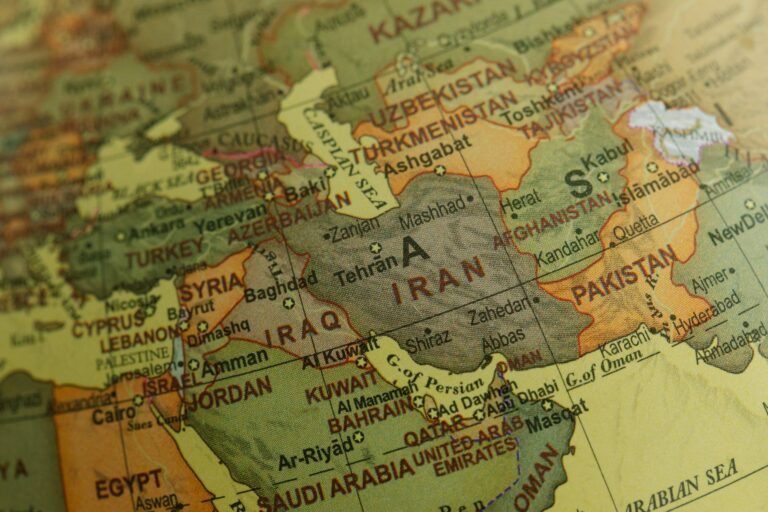
Rezaei emphasized that one of the primary conditions Iran wants to see addressed is the cessation of the ongoing regional conflicts that have contributed to instability in the waters of the Strait. The Strait of Hormuz is a critical maritime passage for oil exports, with a significant portion of the world’s oil supply transiting through it. The closure or disruption of this route could have far-reaching consequences for global energy markets.
In addition to ending regional hostilities, Rezaei revealed that Iran has reached an agreement with Oman to establish a dedicated shipping corridor through the Strait. This proposed route would include sections within both Iranian and Omani territorial waters. According to Rezaei, ships would be required to navigate a designated central channel, which is intended to enhance safety and security for maritime traffic, provided that the United States complies with Iran’s stipulated conditions.
The decision to articulate these conditions comes amid heightened tensions between Iran and the U.S., as well as ongoing conflicts in the Middle East that have drawn in various regional and international actors. The maritime security of the Strait of Hormuz has frequently been at the center of geopolitical disputes, particularly concerning Iran’s nuclear program and its military activities in the region.
Rezaei’s remarks have sparked discussions about the potential for diplomatic engagement aimed at de-escalating tensions in the area. Observers note that a clear framework for maritime navigation could lead to improved relations and greater stability not only in the Strait of Hormuz but also in the broader Gulf region.
The international community will be watching closely as Iran outlines its conditions and as reactions from the U.S. and other stakeholders unfold. The outcome of these discussions could significantly influence future shipping routes and the overall geopolitical landscape of the Middle East.
As negotiations progress, the importance of collaboration and dialogue in addressing maritime security and regional stability remains paramount. The coming weeks are likely to be crucial in determining the future of the Strait of Hormuz and its role in global trade and energy supply chains.