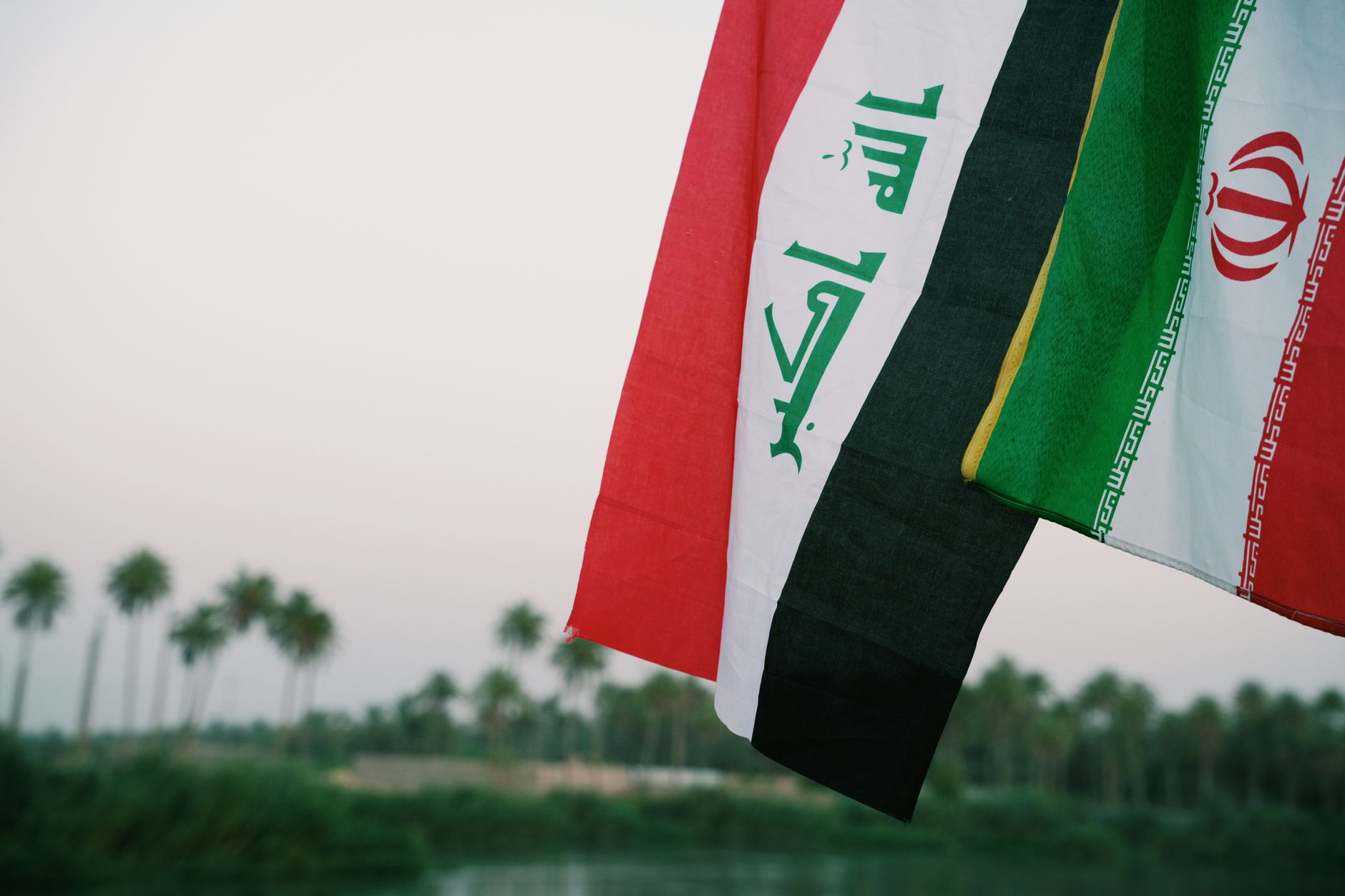
Iran War Diplomacy Turns Toward Reopening Strait of Hormuz
In a significant development in regional diplomacy, mediators involved in the Iranian conflict are focusing on the reopening of the strategically vital Strait of Hormuz. This shift comes after Qatari representatives engaged with Iranian officials, urging them to uphold the principle of freedom of navigation in the area.
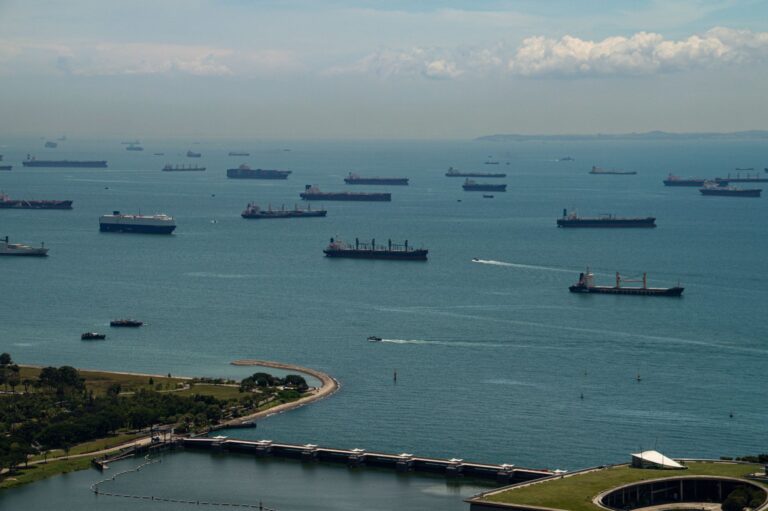
The Strait of Hormuz, which connects the Persian Gulf to the Gulf of Oman, is a critical chokepoint for global oil shipments. Approximately 20% of the world’s petroleum passes through these waters, making its security a top priority for many nations. The recent tensions in the region have raised fears about disruptions to maritime traffic, prompting renewed calls for diplomatic efforts to ensure safe passage.
Iran has reportedly agreed to formulate a list of conditions aimed at restoring normal shipping operations in the strait. This willingness to engage in dialogue marks a notable turn in Iran’s approach amid ongoing regional conflicts and international scrutiny. The Qatari emissary’s role in facilitating this conversation highlights Qatar’s growing influence as a mediator in Middle Eastern affairs.
The emphasis on reopening the Strait of Hormuz comes at a time when various stakeholders are concerned about the implications of any prolonged instability in the region. Analysts suggest that ensuring the security of this critical maritime passage is essential not only for Iran and its neighbors but also for the global economy, which is heavily reliant on unimpeded oil transportation.
The diplomatic overtures reflect a broader trend of engagement among Middle Eastern countries as they seek to address common challenges. The Iranian leadership’s readiness to discuss the conditions for maritime navigation may signal a potential thaw in relations with regional powers, particularly those who have been critical of Tehran’s actions in the past.
However, the exact nature of the conditions proposed by Iran remains unclear. Observers are keenly watching to see if these talks will lead to concrete agreements or if they will merely serve as a temporary respite in ongoing tensions. The international community, particularly oil-importing nations, is likely to monitor the situation closely, given the potential economic ramifications.
As the discussions continue, the hope is that they will pave the way for a more stable and cooperative maritime environment in the Strait of Hormuz. The outcome of these negotiations could significantly influence not only regional dynamics but also the global energy market and international relations as a whole. The ongoing diplomatic efforts are a reminder of the intricate balance of power in the Middle East and the importance of dialogue in resolving conflicts.