Iran Vows Continued Military Action Amid Renewed Hostilities with the US
Tensions in the Middle East have escalated significantly following recent military confrontations between Iran and the United States. In a determined show of force, Iran has launched a series of drone and missile strikes targeting various nations in the region, signaling a potential escalation that could lead to broader conflict.
The Iranian government has publicly declared its intent to continue its military operations in response to what it perceives as provocations from the United States. This aggressive stance comes in the wake of US airstrikes that targeted Iranian-affiliated forces, which Washington accused of orchestrating attacks on American personnel and interests in the Middle East.
Iran’s military strategy appears to be twofold: to retaliate against US actions while also exerting influence over neighboring countries. The strikes have reportedly affected locations in Iraq, Syria, and beyond, raising alarms among international observers about the risks of a wider war involving multiple actors in the region.
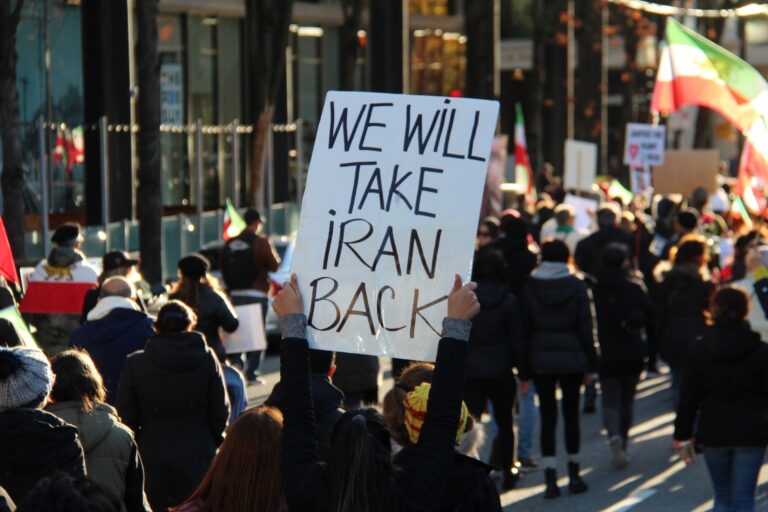
Officials in Tehran have framed these military endeavors as necessary for national defense, asserting that Iran will defend its sovereignty against foreign aggression. The Iranian leadership emphasizes that their actions are a legitimate response to the perceived threat posed by US military involvement in the area. This rhetoric is compounded by a broader narrative of resistance against Western intervention, which resonates deeply within the Iranian populace.
The situation has elicited concern from various global leaders and organizations, who warn that the ongoing hostilities could spiral out of control. Diplomatic channels are being tested as countries seek to mediate the situation to prevent further escalation. The potential for unintended consequences looms large, particularly given the complex web of alliances and rivalries in the Middle East.
In addition to military responses, Iran has also hinted at leveraging its influence in regional conflicts, particularly in Iraq and Yemen, where it supports various militia groups. These proxies could serve as additional means for Iran to project power and respond to US actions, further complicating the regional security landscape.
The international community is closely monitoring these developments, with calls for de-escalation and dialogue becoming increasingly urgent. Many analysts believe that without a concerted effort to address the underlying tensions, the risk of miscalculation and conflict remains high.
As the situation unfolds, it is evident that both Iran and the US are entrenched in their positions, raising questions about the prospects for a diplomatic resolution. The coming weeks will be critical in determining whether the region can avoid a full-scale military confrontation or if it will be drawn deeper into a cycle of violence.