Israel Claims Success in Clearing Hezbollah from Strategic Tunnels in Southern Lebanon
In a significant development in the ongoing tensions between Israel and Hezbollah, the Israeli military announced that it has successfully removed Hezbollah fighters from tunnels located beneath the strategically important Ali al-Taher ridge in southern Lebanon. Israeli Defense Minister Israel Katz made the assertion on Friday, indicating a notable shift in the control of this contested area.
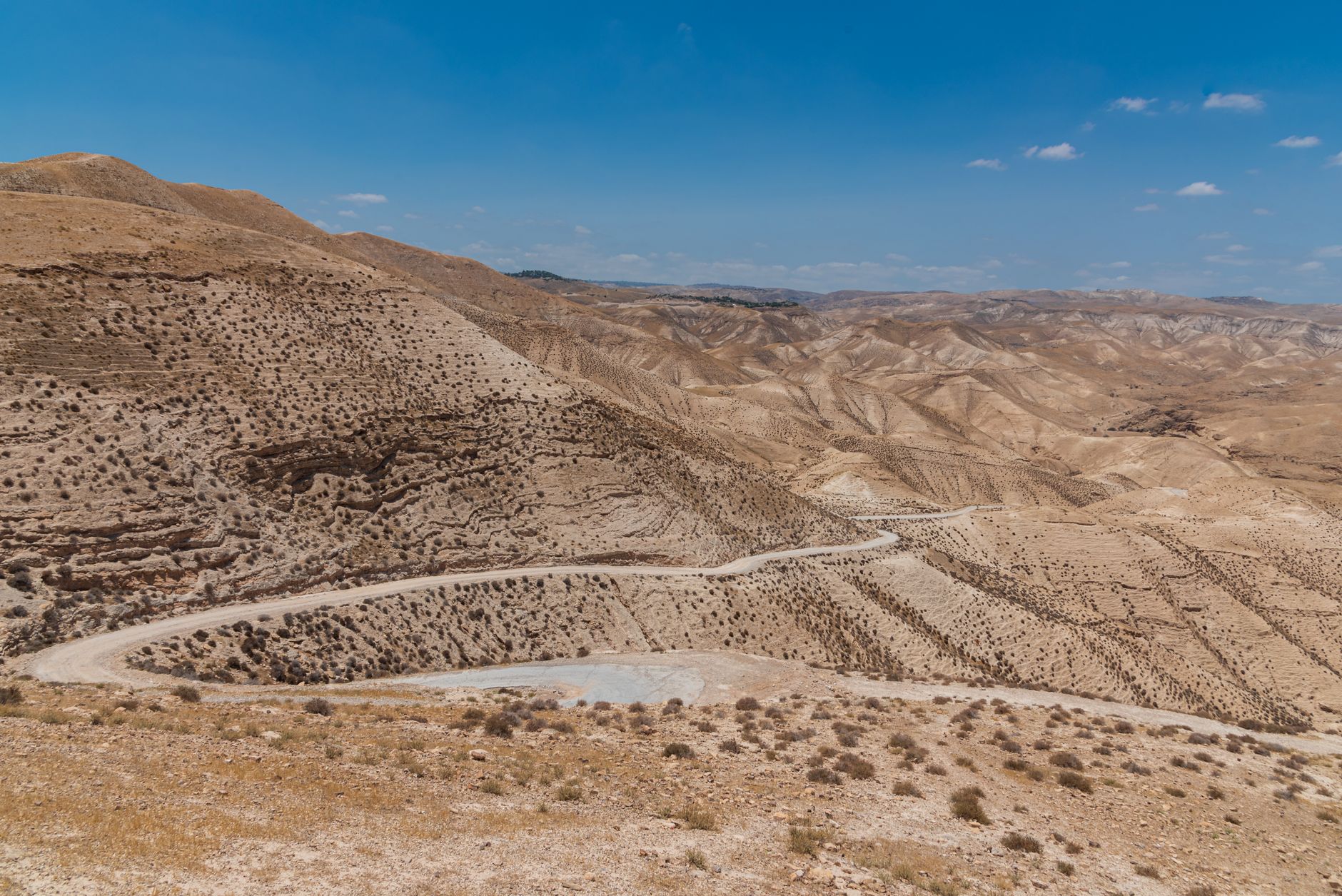
The Ali al-Taher ridge has emerged as a focal point in the longstanding conflict, particularly since the outbreak of hostilities between Israel and Hezbollah. This region, which offers a commanding view over a vast expanse of territory, has been a critical site for both military operations and surveillance. Despite a ceasefire declared in June, the area has remained volatile, with ongoing skirmishes and military activities reported.
The Israeli military had previously identified Hezbollah as using an extensive network of tunnels in this area, which they argued provided the group with tactical advantages. Katz’s recent announcement suggests that Israeli forces have conducted operations aimed at disrupting these positions, although Hezbollah has not yet released a statement to counter or confirm these claims.
The strategic importance of the Ali al-Taher ridge cannot be overstated. Control over this high ground can significantly influence military operations and the broader balance of power in the region. Analysts suggest that Israeli efforts to eliminate Hezbollah’s presence there could be part of a larger strategy to enhance security along its northern border and diminish the threat posed by the Iran-backed group.
This latest development comes against a backdrop of escalating tensions between Israel and Hezbollah, with both sides maintaining a fragile ceasefire. The situation remains precarious, as sporadic clashes and military posturing continue to characterize the relationship between the two parties. Observers are closely watching for potential retaliation from Hezbollah, which may seek to assert its presence and capabilities in response to Israel’s military actions.
While the Israeli government heralds this achievement as a significant victory in its ongoing conflict with Hezbollah, the broader implications for regional stability are still uncertain. The dynamics of the Israel-Hezbollah conflict are deeply intertwined with broader geopolitical factors, including Iran’s influence in the region and the ongoing civil strife in neighboring Syria.
As both sides assess their next moves, the international community remains concerned about the potential for renewed hostilities. The situation underscores the complexities of the Israel-Hezbollah relationship and the challenges of achieving lasting peace in a region that has seen decades of conflict.