Shingles Vaccine May Reduce Cardiovascular Disease Risk by 9%
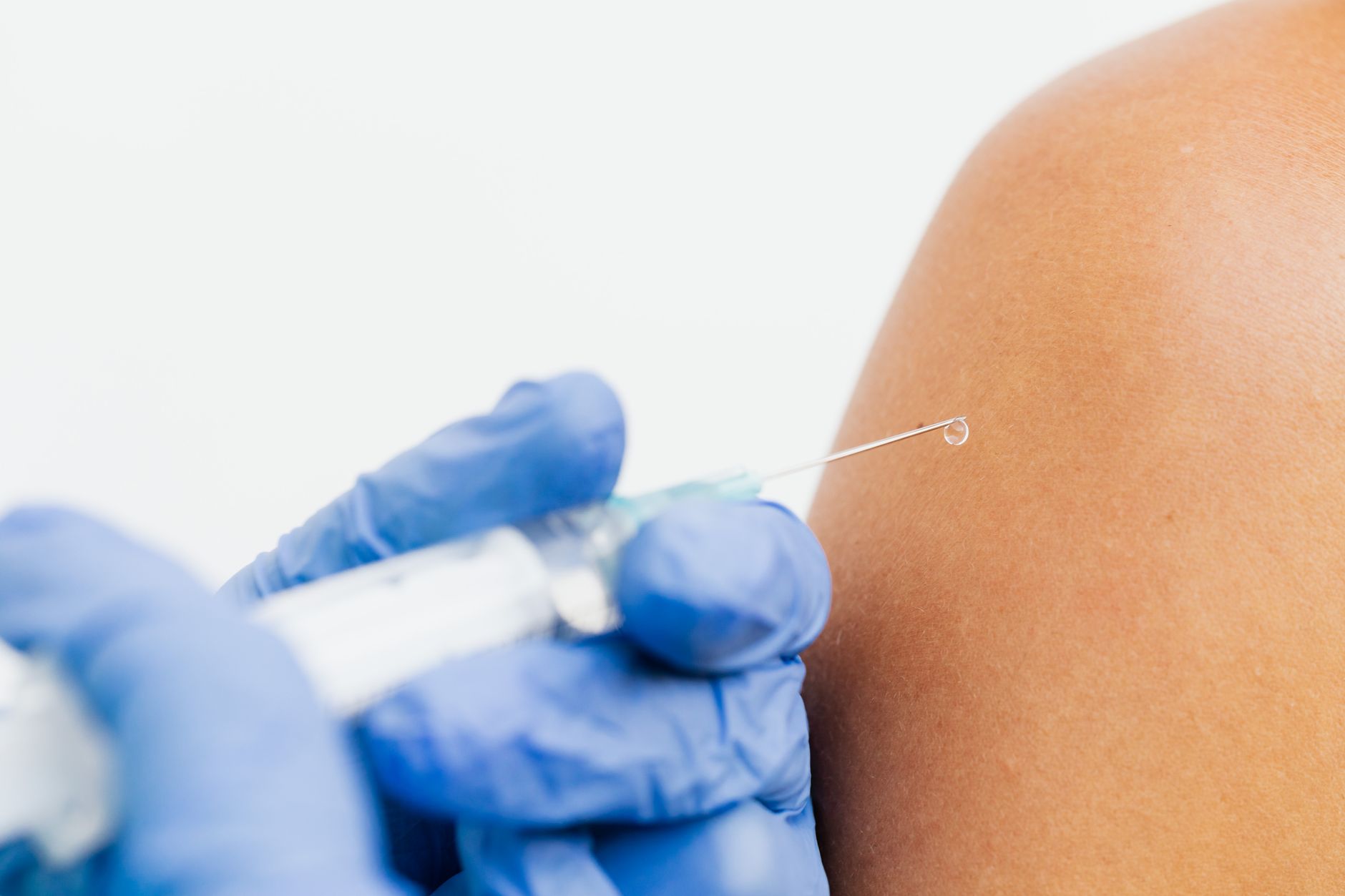
Recent research suggests that the recombinant shingles vaccine, known as Shingrix, may significantly lower the risk of cardiovascular disease compared to its predecessor, the live vaccine Zostavax. A study published in *Nature Medicine* on August 26 indicates that individuals vaccinated with Shingrix experienced a 9% reduction in cardiovascular disease burden over a seven-year period.
The transition from Zostavax to Shingrix began in the United States in 2017, with Zostavax being fully discontinued by 2020. Unlike Zostavax, Shingrix is a recombinant vaccine that uses an engineered viral protein to stimulate the immune system, providing more robust and long-lasting protection against shingles.
In this recent study, researchers compared the health outcomes of 72,920 adults aged 60 and older, half of whom received the live vaccine before the switch, and the other half who were vaccinated with Shingrix after its introduction. Notably, those who received the Shingrix vaccine showed a 10% lower incidence of coronary heart disease, a 12% reduction in heart failure, and a similar reduction in ischemic stroke among men. Additionally, there was a 7% decrease in the occurrence of atrial fibrillation.
The study’s authors emphasized that this is an observational study, meaning it cannot definitively establish cause and effect. However, the findings highlight a potential link between shingles vaccination and improved heart health. Experts believe that the connection may be related to inflammation; shingles can provoke a significant inflammatory response, which is known to contribute to cardiovascular issues. By preventing shingles, Shingrix could help reduce this inflammation and, in turn, lower the risk of heart disease.
Dr. Kevin Shah, a board-certified cardiologist, noted that chronic inflammation is a key factor in atherosclerosis and cardiovascular disease. He suggested that the Shingrix vaccine might serve not only to prevent shingles but also as an anti-inflammatory agent, thereby enhancing heart health.
Dr. Kaustubh Dabhadkar, another cardiologist, echoed this sentiment, explaining that inflammation plays a critical role in heart disease. He remarked that the study’s findings are particularly intriguing since the observed effects occurred more swiftly than would be expected solely from a reduction in shingles cases.
While the results are promising, experts caution that further research is necessary to fully understand the relationship between shingles vaccination and cardiovascular health.
Regarding the differences between the two vaccines, Shingrix has been shown to provide about 90% protection against shingles, significantly higher than the 50%-60% protection offered by Zostavax. Shingrix is administered in two doses, typically given 2-6 months apart, whereas Zostavax was a single-dose vaccine.
The Centers for Disease Control and Prevention (CDC) recommends that all adults aged 50 and older receive the Shingrix vaccine. Additionally, it is advised for adults aged 19 and older who are immunocompromised due to underlying health conditions or treatments. As shingles can occur in anyone who has had chickenpox, awareness of vaccination options is crucial for older adults and those with weakened immune systems.