These Cyborg Cockroaches Could Save Your Life
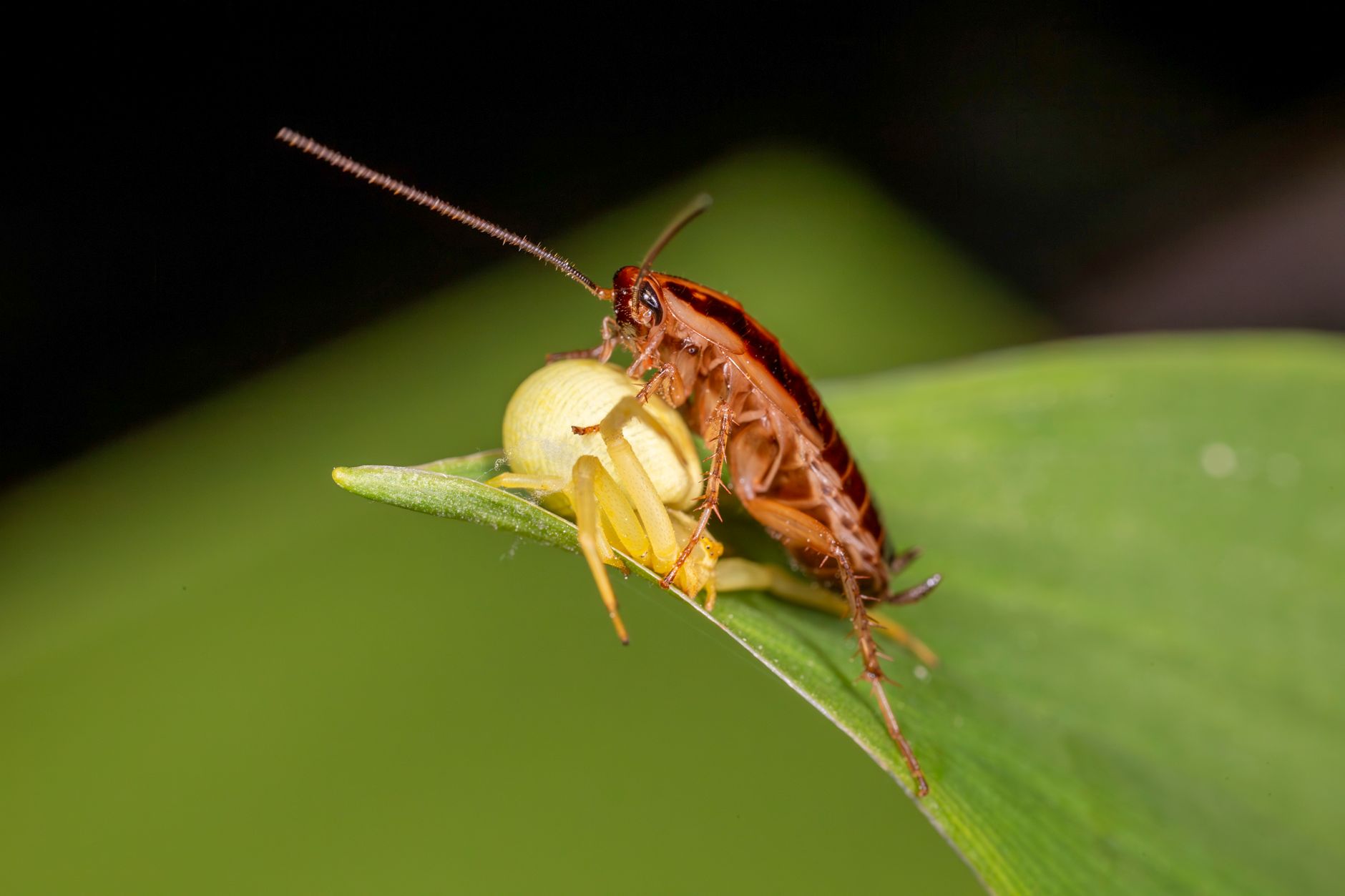
In a groundbreaking fusion of biology and technology, researchers have developed a unique approach to medical delivery using live cockroaches equipped with cutting-edge gadgets. This innovative project, undertaken by scientists at a leading university, involves embedding electrodes in the insects, transforming them into remote-controlled cyborgs capable of administering medication.
The process begins with the careful insertion of electrodes into the cockroaches, which allows researchers to manipulate their movements remotely. By harnessing the natural instincts of these resilient creatures, the team has created a system where the cockroaches can navigate through complex environments. This capability could prove invaluable in scenarios where traditional methods of drug delivery face limitations, such as in disaster-stricken areas or during emergencies.
Each cyborg cockroach is outfitted with miniature cameras that provide real-time video feedback, allowing operators to monitor their surroundings. This feature is particularly significant for potential medical applications, as it could enable healthcare providers to assess situations that are otherwise inaccessible. Imagine a scenario where a cockroach could deliver critical medication within a collapsed building or a hazardous environment where human presence is unsafe.
In addition to the cameras, the cockroaches are equipped with injection devices designed to deliver precise doses of medication directly to patients. This aspect of the technology could revolutionize how certain drugs are administered, especially in urgent situations where time is of the essence. The researchers envision scenarios in which these cyborgs could be deployed to administer life-saving treatments, such as epinephrine for severe allergic reactions or insulin for diabetic patients experiencing critical episodes.
Moreover, the development of cyborg cockroaches highlights the potential of using insects in biomedical applications. Insects are not only abundant and easily accessible, but they also possess unique biological traits that make them suitable for navigating intricate spaces. This innovative approach could pave the way for more advanced biobots in the future, expanding the possibilities of how technology can blend with living organisms for humanitarian purposes.
While the concept of cyborg insects may initially seem strange or unsettling, the implications of this technology are profound. By merging biological systems with robotic capabilities, researchers are exploring new frontiers in medical delivery and emergency response. As the project progresses, it may provide solutions to some of the most pressing challenges in healthcare, showcasing the remarkable potential of interdisciplinary collaboration between biology and technology.
In conclusion, the emergence of cyborg cockroaches as a viable means of medication delivery exemplifies the exciting intersection of science and innovation. As this research develops, it holds promise not only for improving patient care but also for redefining our understanding of how technology can assist in life-saving applications.