Israeli Rubble-Clearing in Gaza Raises Concerns Over Evidence of Atrocity Crimes, Says UN Expert
A United Nations expert has issued a stark warning regarding the extensive rubble-clearing operations currently underway in Gaza, particularly in areas under Israeli control. Francesca Albanese, the UN’s special rapporteur on the Palestinian territories, expressed concern that these efforts could lead to the erasure of crucial evidence related to potential “atrocity crimes” committed during the recent conflict, as well as hinder the recovery and identification of human remains.
In a statement released Monday, Albanese highlighted the significant implications of Israel’s ongoing activities, which include the removal, crushing, and relocation of debris across devastated regions of Gaza. She emphasized that these actions not only risk obliterating physical evidence but also obstruct the process of accountability for those affected by the violence.
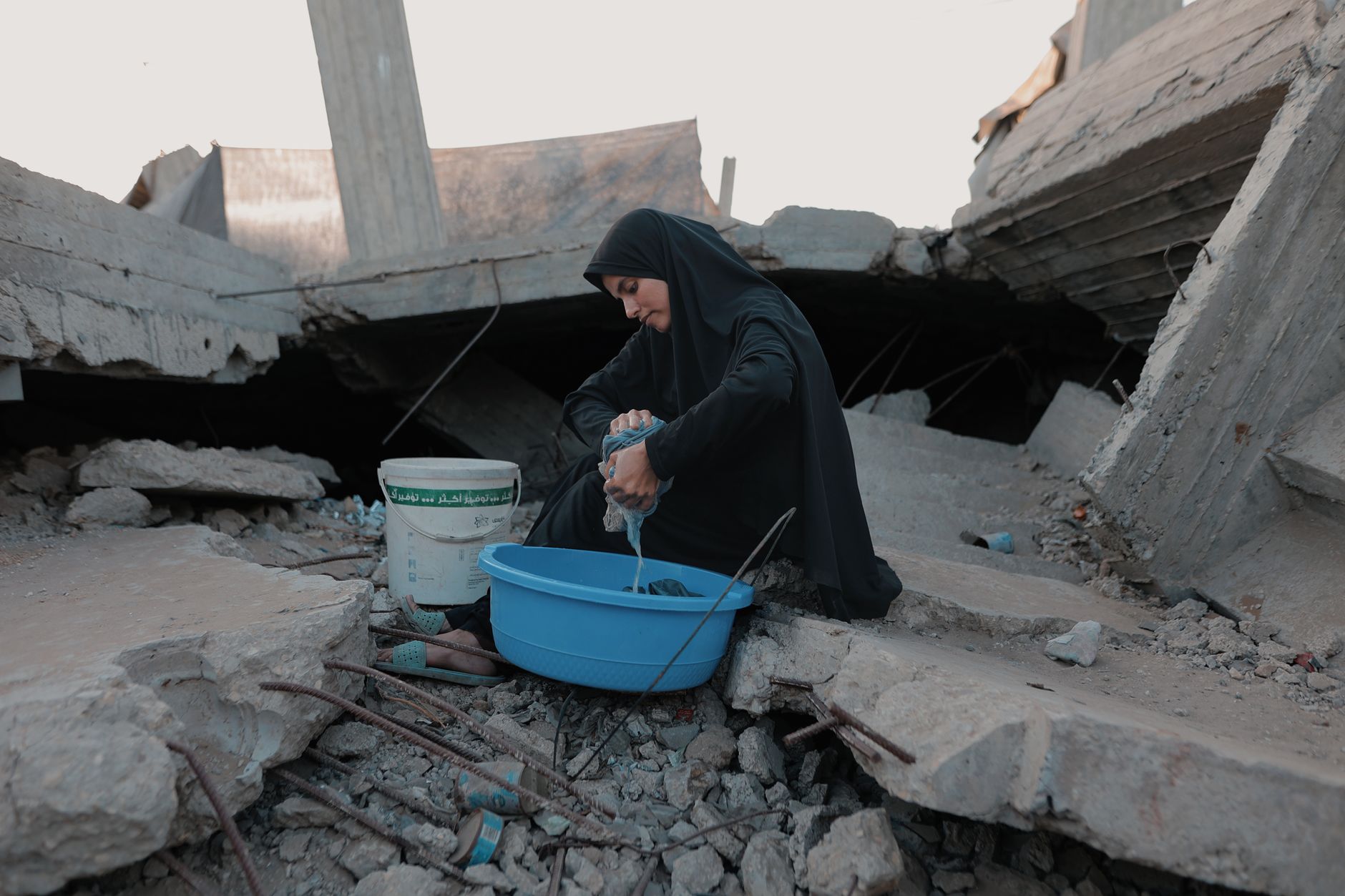
The context of these operations stems from a series of military actions that have resulted in widespread destruction throughout Gaza. As reconstruction efforts begin, Albanese cautioned that the urgency to clear rubble could overshadow the necessity of preserving evidence that may be critical for future investigations into human rights violations and potential war crimes.
Albanese’s remarks come amid growing international scrutiny of the situation in Gaza, where calls for accountability and justice have intensified. The UN expert underscored the importance of safeguarding the rights of victims and ensuring that their suffering is not forgotten amid the push for rebuilding. She urged the international community to take immediate action to protect evidence and facilitate independent investigations into the conflict.
The potential consequences of indiscriminate rubble removal are particularly grave, according to Albanese. She pointed out that not only does this practice jeopardize the ability to establish a historical record of events, but it also affects families who are still searching for missing loved ones. The identification of human remains is a crucial component of providing closure for affected families, and the current actions may hinder these efforts.
As the situation continues to evolve, the call for a balanced approach that prioritizes both the humanitarian needs of the population and the imperative for accountability remains pressing. The international community is encouraged to engage in dialogue and support measures that protect the integrity of evidence while addressing the urgent needs of the people in Gaza.
In light of these developments, the discourse surrounding the rebuilding of Gaza will likely not only focus on physical reconstruction but also on ensuring justice and accountability for the grievous actions that have taken place. The voices of those affected must be amplified, as the world watches to see how the situation unfolds in the coming weeks and months.