Tunisian Journalists Rally for Colleague’s Release Amid Media Crackdown
Tunisian journalists and activists gathered recently outside a courthouse in Tunis to protest the arrest of Mohamed Yousfi, a prominent journalist whose detention has sparked widespread concern over the state of press freedom in the country. The demonstration, held on September 8, highlighted fears that President Kais Saied’s administration is intensifying efforts to suppress independent media voices.
Yousfi was taken into custody facing serious allegations of illicit enrichment and money laundering. His supporters argue that these charges are politically motivated, aimed at silencing a journalist known for his critical reporting on government actions. As the judicial proceedings unfolded, demonstrators called for his immediate release, asserting that his arrest represents a broader assault on journalistic integrity and freedom of expression in Tunisia.
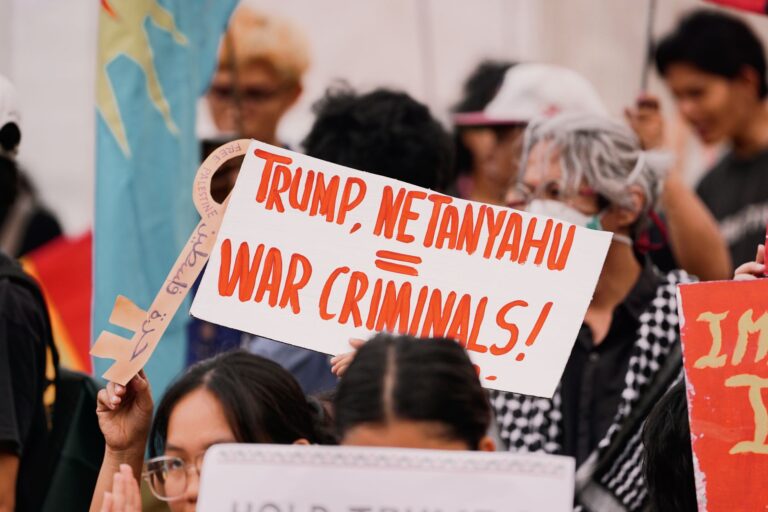
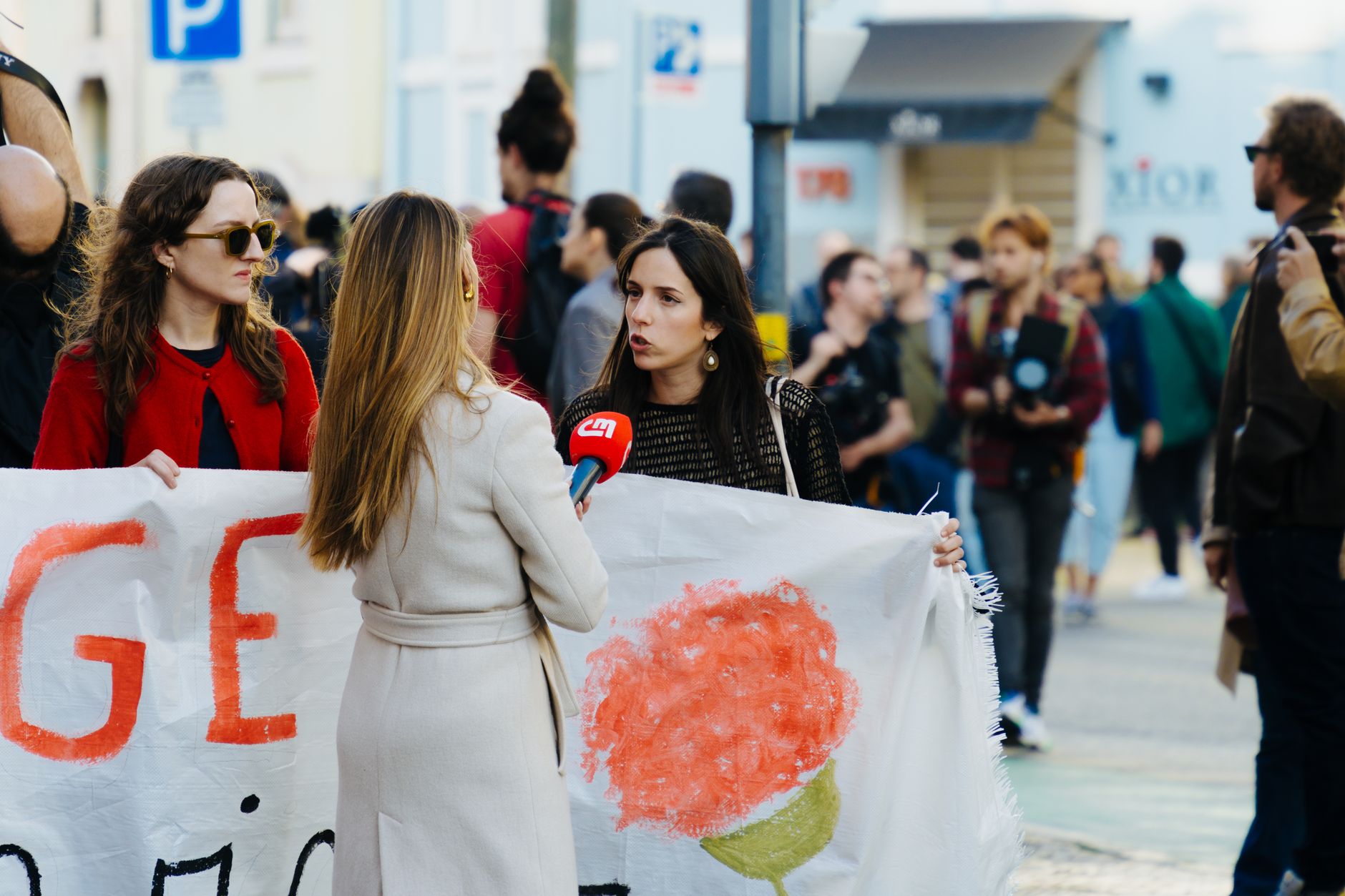
The protest drew a diverse crowd, including fellow journalists, civil society activists, and citizens concerned about the erosion of democratic principles in Tunisia. Many participants carried banners and chanted slogans demanding justice for Yousfi and an end to the government’s crackdown on dissenting voices. The gathering served as a reminder of the vital role that a free press plays in safeguarding democracy and holding power accountable.
This incident comes amid increasing scrutiny of President Saied’s approach to governance, particularly following a series of controversial measures that many critics claim have undermined Tunisia’s democratic institutions. Since taking office, Saied has faced accusations of consolidating power, leading many to worry about the future of civil liberties in the nation.
The Tunisian National Journalists’ Syndicate (SNJT) has been vocal in its condemnation of Yousfi’s arrest, characterizing it as part of a larger trend of intimidation against journalists in the country. The syndicate has called for solidarity among media professionals and urged the government to respect the principles of freedom of the press as enshrined in Tunisia’s post-revolution constitution.
Yousfi’s case has garnered attention beyond Tunisia, with international organizations and human rights advocates expressing their concerns regarding the crackdown on media freedoms. The situation underscores the delicate balance between state authority and individual rights, especially in a region where the freedoms won during the Arab Spring are increasingly under threat.
As the protests continue, many are watching closely to see how the government responds to the growing unrest and whether it will heed calls for greater transparency and accountability. The outcome of Yousfi’s case may not only determine his fate but could also set a precedent for the future of journalism in Tunisia.