South Korea Deploys Team to Evaluate Security in the Strait of Hormuz
In a recent development, South Korea has dispatched a team to the Strait of Hormuz to evaluate the current security situation in the region. This move comes amid ongoing tensions and security concerns, particularly related to maritime safety in this crucial waterway, which is a vital route for global oil shipments. The South Korean Ministry of Defense has confirmed that the primary goal of the team is to conduct a thorough assessment of the conditions in the area.
While the inspection team is on the ground, the South Korean government has not yet made a decision regarding the potential deployment of military forces. The situation remains fluid, and officials are prioritizing a careful evaluation of the circumstances before making any further commitments. This cautious approach reflects South Korea’s strategic considerations in the face of rising geopolitical tensions, particularly in relation to Iran and the United States.
The decision to send the assessment team follows a broader context of military cooperation and regional stability efforts. In August, U.S. President Donald Trump announced a reduction in joint military exercises with South Korea, a decision that has been interpreted as a response to South Korea’s hesitance to engage more actively in the ongoing U.S.-Iran tensions. This adjustment in military strategy has raised questions about the future of U.S.-South Korea relations, particularly in the context of security collaboration.
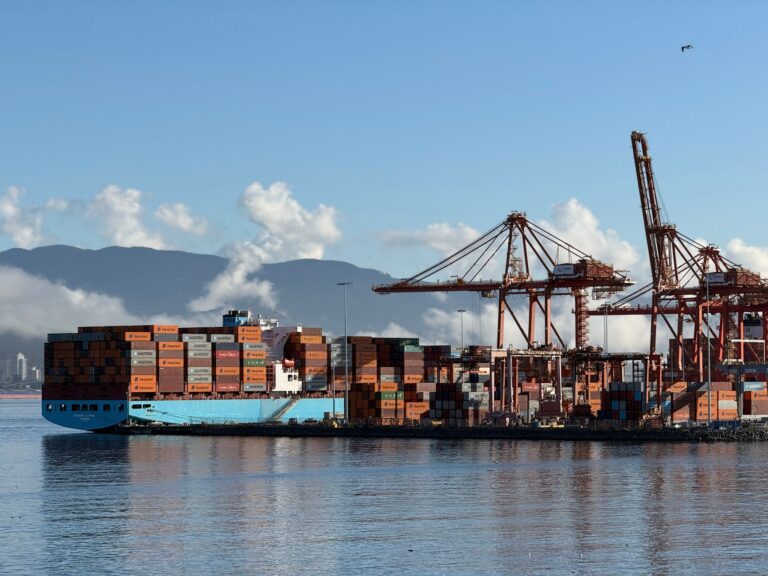
The Strait of Hormuz has been a focal point of international attention due to its strategic importance and the recurring incidents of maritime confrontations. As one of the most important chokepoints for oil transportation, any instability in this region can have far-reaching implications for global oil prices and international trade.
In light of these developments, South Korea’s decision to assess the situation reflects a commitment to maintaining regional stability while also considering its own national interests. The South Korean government has emphasized the importance of ensuring the safety of its maritime routes and the protection of its shipping interests.
As the situation evolves, many are watching closely to see how South Korea balances its alliance with the United States against the backdrop of regional dynamics involving Iran and other Middle Eastern nations. The outcome of this assessment could influence South Korea’s future military and diplomatic strategies in the region, as well as its relationship with key global powers. For now, the focus remains on gathering information and understanding the complexities of the security landscape in the Strait of Hormuz.