Understanding the Nuclear Non-Proliferation Treaty Amidst Iran’s Dilemma
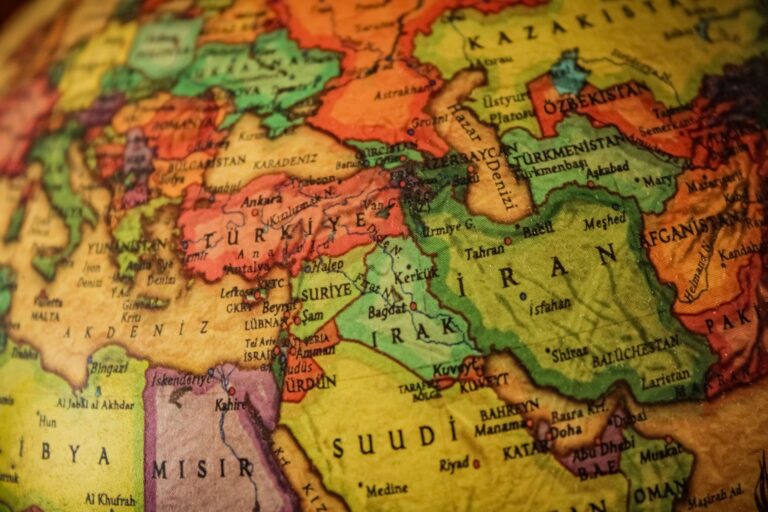
In a significant move, Western nations have proposed a resolution to the United Nations’ nuclear oversight authority, the International Atomic Energy Agency (IAEA), aimed at referring Iran to the U.N. Security Council. This action would mark the first such referral in two decades concerning Iran’s compliance with the Nuclear Non-Proliferation Treaty (NPT). The proposal, backed by the United States, United Kingdom, France, and Germany, is poised to pass, with a vote anticipated soon.
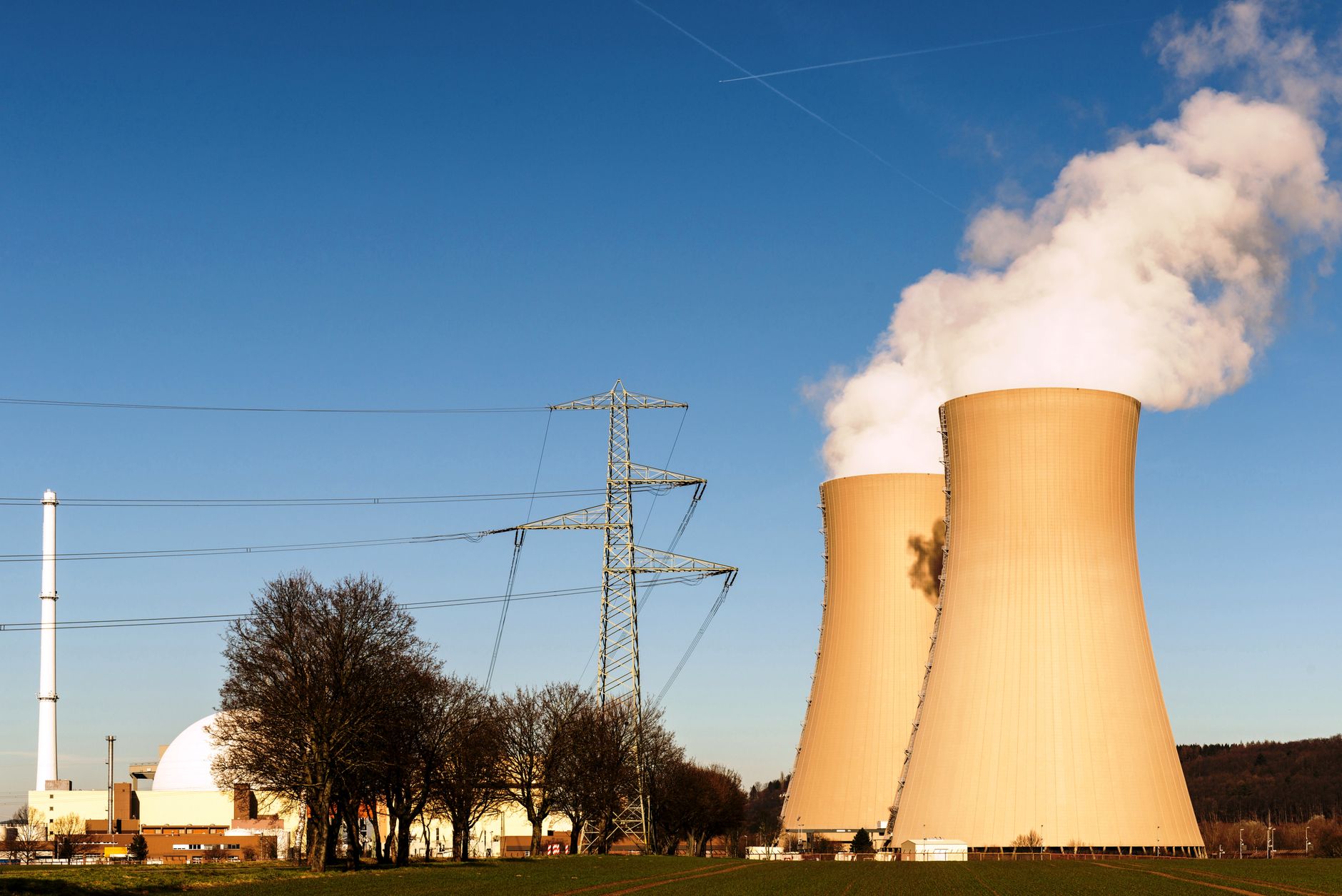
The NPT, which came into effect in 1970, is a landmark international treaty that aims to prevent the spread of nuclear weapons and promote peaceful uses of nuclear energy. Its key objectives are threefold: to prevent the proliferation of nuclear weapons, to foster the peaceful use of nuclear energy, and to advance the goal of nuclear disarmament. The treaty is built on the foundation that nuclear-armed states will work towards disarmament while non-nuclear states commit not to develop nuclear weapons.
Currently, 191 countries are party to the NPT, making it one of the most widely adhered-to international agreements. However, notable exceptions include India, Pakistan, and Israel, which possess nuclear weapons but are not signatories to the treaty. North Korea, originally a signatory, has since withdrawn and conducted multiple nuclear tests, raising regional and global security concerns.
The NPT operates on a system of regular reviews and assessments, with a Review Conference held every five years to evaluate progress and address challenges. Despite its widespread acceptance, the treaty faces criticism and challenges, particularly regarding the pace of disarmament among nuclear-armed states and the rights of non-nuclear states to access nuclear technology for peaceful means.
The current situation regarding Iran presents a complex scenario. Iran, which is a signatory to the NPT, has been accused of breaching its commitments by advancing its nuclear program beyond the agreed-upon limits. The proposed resolution by Western powers signals growing frustration with Iran’s nuclear activities, which they argue could lead to the development of nuclear weapons capabilities.
Should the resolution pass, it would escalate diplomatic tensions between Iran and the Western nations, potentially leading to further sanctions or military options being considered. Iranian officials have consistently denied any intention to develop nuclear weapons, emphasizing their program’s peaceful nature.
As the IAEA prepares to vote on this critical resolution, the implications for global nuclear non-proliferation efforts remain significant. The situation highlights the delicate balance between national sovereignty, regional security, and the international community’s collective responsibility to prevent the spread of nuclear weapons. The outcome will likely influence future diplomatic engagements and the broader discourse surrounding nuclear proliferation in the Middle East and beyond.