Escalating Conflict in the Gulf Pushes Oil Prices Above $100 Per Barrel
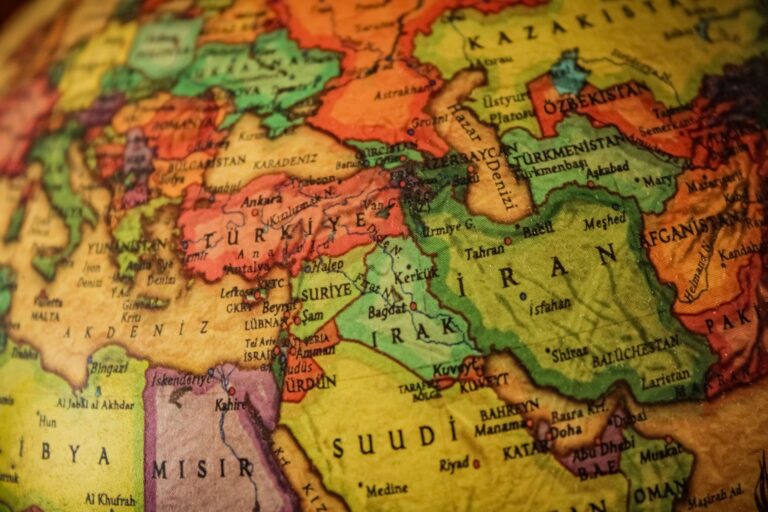
Tensions in the Persian Gulf have surged as Iran has reportedly attacked over a dozen vessels attempting to navigate the critical Strait of Hormuz. This escalation in hostilities comes amid an ongoing six-month conflict between Iran and the United States, which has prompted a significant spike in oil prices, now exceeding $100 per barrel.
Iran’s recent military actions have effectively disrupted maritime traffic in one of the world’s most vital shipping lanes. The Strait of Hormuz is strategically important, as it serves as a conduit for a substantial portion of the globe’s oil supply. The Iranian government has stated that these attacks are a response to what it perceives as aggressive maneuvers by the United States, which has implemented a counter-blockade targeting Iranian ports.
The conflict has reached a stalemate, with both sides caught in a cycle of retaliation. Iran’s attempts to exert control over the Strait of Hormuz have instigated fears of further escalation, particularly as U.S. forces remain deployed in the region to safeguard maritime navigation and assert their presence.
As oil prices climb, concerns are mounting about the broader economic implications. Analysts predict that continued instability in the Gulf could lead to sustained high prices for crude oil, which would impact global markets and consumer costs. The spike in oil prices is already resonating in various sectors, from transportation to manufacturing, raising worries about inflation and economic slowdowns in many countries.
The international community is closely monitoring the developments, with calls for diplomatic solutions to de-escalate tensions. The United States has reiterated its commitment to protecting shipping lanes and maintaining freedom of navigation, while also seeking to reinforce alliances with other nations affected by the conflict.
In light of these events, the Arab-American community, which has ties to both the U.S. and the Middle East, is particularly concerned about the unfolding situation. Many are advocating for dialogue and peaceful resolutions, emphasizing the need to address the humanitarian impacts of the conflict.
As the situation evolves, experts urge caution and strategic planning to mitigate the risks associated with such high oil prices. The ramifications of this conflict extend far beyond the region, underscoring the interconnectedness of global economies and the importance of stability in the Middle East.
While the immediate focus remains on the military engagements, it is essential for stakeholders to seek avenues for peace and cooperation, aiming to prevent further escalation that could lead to broader regional instability.