Macron Hosts Lebanon Security Talks as UN Mission Approaches Conclusion
In a significant diplomatic meeting held in Paris, leaders from France, Lebanon, and Jordan convened to address pressing security issues facing Lebanon. The discussions, spearheaded by French President Emmanuel Macron, aimed to assess the deployment strategy of the Lebanese Armed Forces amid the impending conclusion of the United Nations peacekeeping mission in the region.
The gathering comes at a critical juncture for Lebanon, a country grappling with ongoing political instability and economic crises. The French presidency emphasized that the primary focus of the talks was to evaluate how the Lebanese military could effectively maintain security and stability in the absence of the UN forces, which have been a stabilizing presence in the region for many years.
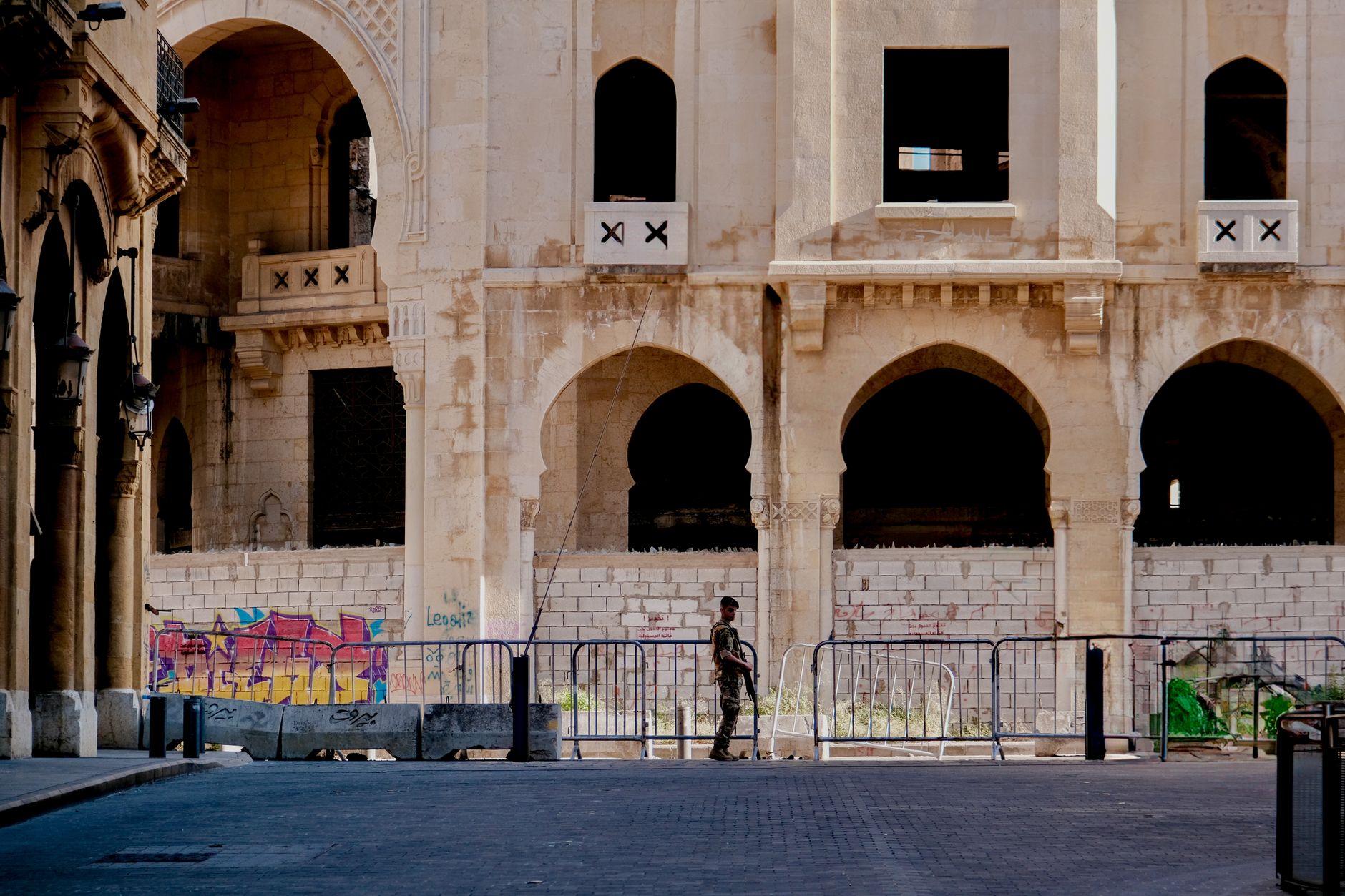
President Macron underscored the importance of bolstering the Lebanese Armed Forces to ensure they are equipped to handle security challenges independently. During the discussions, participants reviewed strategies to enhance military capabilities and improve operational readiness. This is particularly vital given Lebanon’s complex security landscape, which includes threats from various factions and the ongoing humanitarian crisis that has exacerbated tensions within the country.
Lebanon’s Prime Minister, Najib Mikati, and Jordan’s King Abdullah II were also pivotal in the discussions, lending their perspectives on regional security dynamics. Prime Minister Mikati highlighted the urgent need for international support to strengthen Lebanon’s military and police forces. He reiterated that a robust national defense is essential for the country’s sovereignty and stability.
As the UN’s peacekeeping mandate nears its end, the international community is closely monitoring the situation. The UN Interim Force in Lebanon (UNIFIL) has played a crucial role in maintaining peace along the Lebanon-Israel border since its establishment in 1978. However, with its future uncertain, Lebanon must rely more on its own forces to manage security effectively.
The meeting in Paris reflects broader regional concerns about security cooperation and the need to support Lebanon during this transitional period. The leaders discussed potential collaborative efforts not only among Lebanon and Jordan but also with other regional partners to address security threats, including those posed by extremist groups.
The talks concluded with a commitment to continue dialogue and cooperation, emphasizing the need for a coordinated approach to ensure peace and security in Lebanon and the wider region. As Lebanon navigates these challenges, the international community’s role in supporting its military capabilities and addressing humanitarian needs will be crucial to achieving long-term stability.