UN Chief Expresses Regret Over US Visa Denial to Palestinian President Mahmoud Abbas
United Nations Secretary-General Antonio Guterres has expressed deep regret regarding the United States’ decision to deny a visa to Palestinian President Mahmoud Abbas, preventing him from attending the upcoming UN General Assembly. This marks the second consecutive year that Abbas has faced such a restriction, raising concerns about the implications for Palestinian representation in international forums.
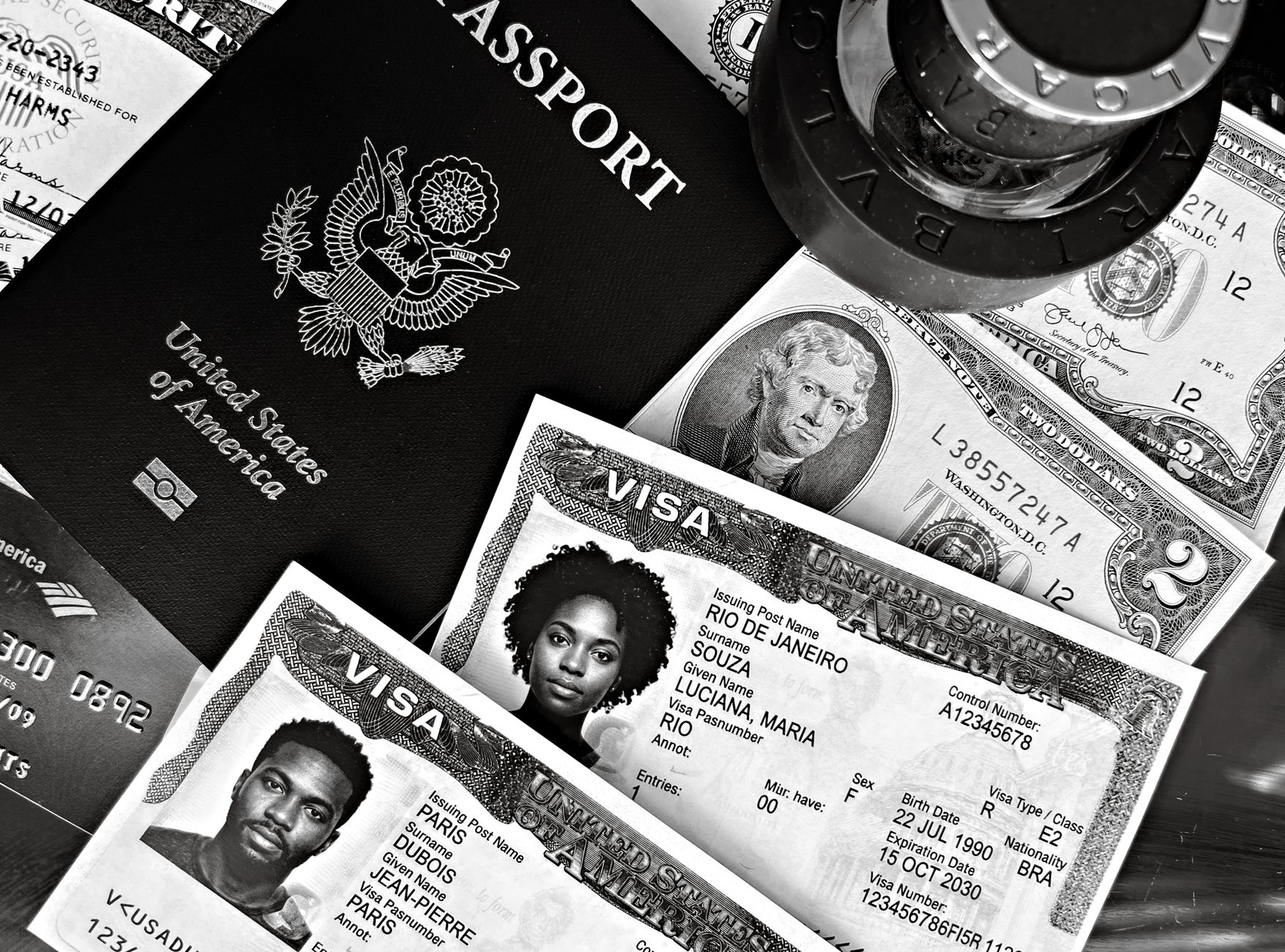
The US State Department announced on Thursday that it would not issue visas to Abbas or several other Palestinian officials in connection with next week’s assembly. According to the department, only members of the Palestinian mission to the UN will be permitted to participate in the proceedings, which are set to commence on Tuesday.
This visa denial has sparked criticism from various quarters, with many viewing it as detrimental to the Palestinian leadership’s ability to engage with the international community on pressing issues. Abbas had planned to address the assembly, where key discussions surrounding global peace and security are anticipated.
In response to the situation, Guterres emphasized the importance of dialogue in resolving conflicts and noted that the absence of Palestinian leaders from the assembly could hinder efforts toward achieving peace in the region. His comments reflect a broader sentiment among many UN member states advocating for increased Palestinian participation in diplomatic discussions.
Abbas’s inability to attend the assembly follows a pattern of limited engagement for Palestinian representatives at significant global events. Critics argue that such exclusions undermine the Palestinian narrative and diminish the opportunity for dialogue on critical issues affecting the region, including the ongoing Israeli-Palestinian conflict.
The Palestinian mission to the UN has expressed disappointment over the US decision, asserting that it limits the scope of meaningful discourse that could lead to potential resolutions. They called for greater recognition of Palestinian rights and the necessity for their leaders to be included in discussions that affect their future.
This year’s UN General Assembly is expected to address a range of crucial global topics, including climate change, international security, and the economic implications of geopolitical tensions. With the absence of key Palestinian leaders, observers are concerned about the representation of Palestinian perspectives in these important conversations.
As the assembly approaches, the international community is watching closely to see how this visa denial will impact discussions surrounding peace processes and the broader Middle Eastern geopolitical landscape. The refusal to grant visas to Abbas and his officials remains a contentious issue, raising questions about the role of the United States in facilitating dialogue in one of the world’s most enduring conflicts.