US Warns of Rapid Escalation in Middle East Conflict
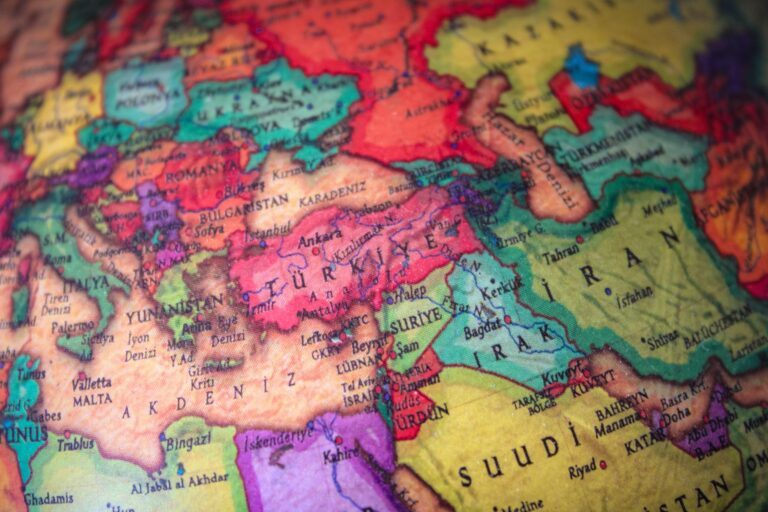
Tensions in the Middle East have surged following a significant missile attack on Riyadh, marking the first such assault on the Saudi capital since the resurgence of conflict in Yemen. In response to this alarming development, the United States has issued a stark warning that the situation could deteriorate quickly, exacerbating an already volatile regional landscape.
The missile strike, attributed to the Iran-backed Houthi rebels, underscores the ongoing instability stemming from the Yemen conflict, which has drawn in various international actors and heightened sectarian divides. The U.S. government is particularly concerned about the implications of this escalation, not only for Saudi Arabia but for broader regional security. Analysts speculate that if hostilities continue to escalate, they may provoke a more extensive military response from Saudi Arabia, potentially dragging neighboring countries into a wider confrontation.
In a related response, President Joe Biden made the decision to cut short a weekend retreat at Camp David, a presidential retreat in Maryland, to address the situation. His unexpected return to the White House signals the urgency with which the administration is approaching this crisis. Officials have indicated that the U.S. is closely monitoring the situation and is in communication with its allies in the region to assess the potential for further escalation.
The conflict in Yemen, which began in 2014, has already resulted in one of the world’s worst humanitarian crises, with millions of people facing famine, disease, and displacement. The ongoing battles between the Houthis and the Saudi-led coalition have further complicated efforts to establish a lasting peace and have raised concerns about the safety of civilians caught in the crossfire.
The potential for increased violence comes at a time when diplomatic efforts are crucial for achieving a ceasefire and humanitarian access in Yemen. The United Nations and various NGOs have been working tirelessly to mediate negotiations, but the recent attack poses a significant setback to these efforts.
As the situation develops, the U.S. is emphasizing the need for all parties to exercise restraint and engage in dialogue to prevent further bloodshed. The Biden administration is also reiterating its commitment to supporting Saudi Arabia in its right to defend itself against external threats while encouraging a resolution to the underlying issues fueling the conflict.
The dynamics of the Middle East remain complex and fluid, and the international community is watching closely as the potential for rapid escalation looms. The coming days could prove critical in determining whether the region moves toward a more stable future or plunges deeper into conflict.