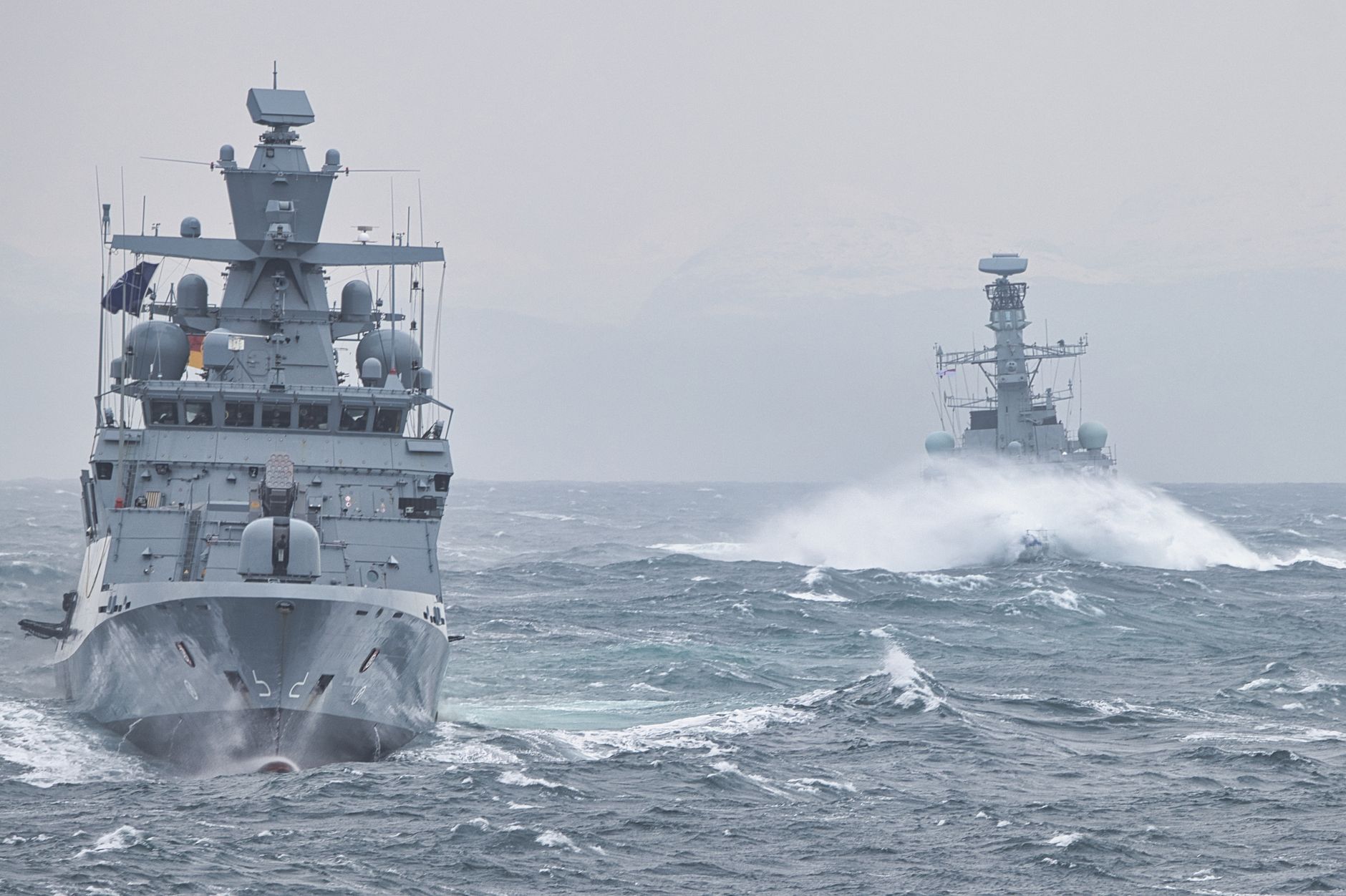
EU’s Kallas Advocates for Increased Naval Presence in Red Sea
The European Union’s initiative to bolster maritime security in the Red Sea is facing challenges, according to the EU’s foreign policy chief, Josep Borrell Kallas. During a recent briefing, Kallas emphasized that the current deployment of over ten warships is necessary to effectively safeguard shipping lanes from persistent threats, particularly from Yemen’s Iran-aligned Houthi forces.
The EU’s Aspides mission, which commenced operations in 2024, was specifically designed to counteract these threats and ensure the safety of vessels traversing this critical maritime route. However, current reports indicate that only six warships are actively operating in the region, which has raised concerns among EU officials regarding the mission’s ability to fulfill its objectives.
Kallas pointed out that the Red Sea is a vital corridor for international trade, and its security is of paramount importance not only to the EU but to global commerce. The Houthi group has been known to launch attacks on shipping in the area, and the escalation of such incidents underscores the need for a robust naval presence to deter potential aggressors and reassure shipping companies.
The Aspides mission was launched in response to a rising trend of maritime insecurity, which has seen increased attacks on commercial vessels. Kallas reiterated that a stronger naval presence would enhance deterrence capabilities and provide a more secure environment for maritime operations. He noted that while six warships are currently deployed, this number falls short of what is required to effectively monitor and secure the expansive waters of the Red Sea.
To address this shortfall, Kallas called for a coordinated effort among EU member states to contribute additional naval assets to the mission. He stressed the importance of collaboration in achieving a sufficient presence, which is essential for protecting both European and international shipping interests.
In light of these developments, the EU is likely to engage in discussions with member states to explore options for increasing naval commitments to the Aspides mission. The successful implementation of these plans will depend on the willingness of individual nations to allocate resources and personnel to strengthen the mission’s capabilities.
As tensions in the region continue to evolve, the EU remains committed to ensuring the safety of maritime routes in the Red Sea. The effectiveness of the Aspides mission will be closely monitored as it seeks to adapt to the changing security landscape, emphasizing the EU’s dedication to maintaining peace and stability in this strategically significant area.