U.S. Conditions Visa for Sudanese Army Leader on Ceasefire Proposal
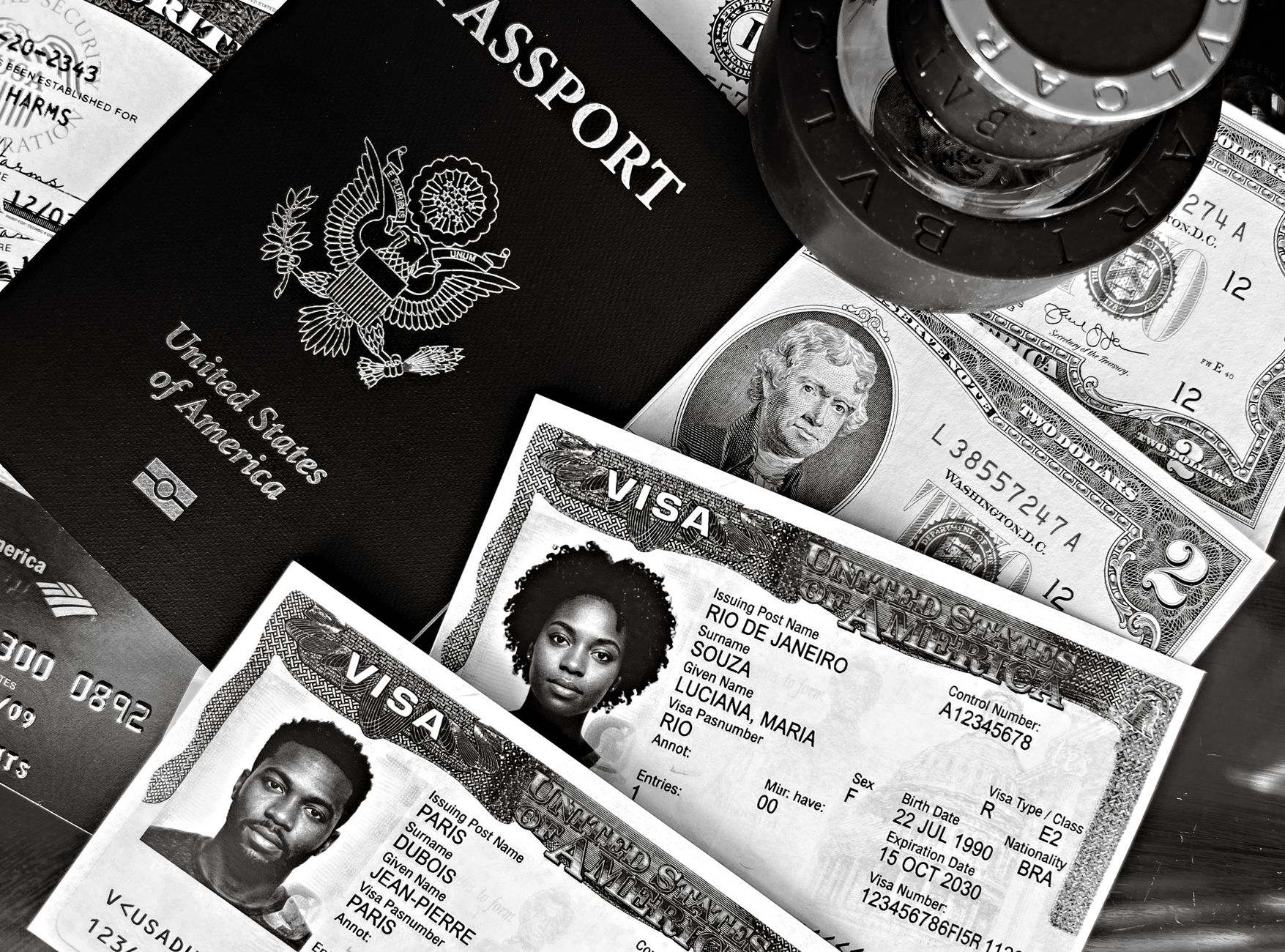
The United States has reportedly linked the issuance of a visa for Sudanese army chief Abdel Fattah al-Burhan to the acceptance of a ceasefire plan, sources indicate. This decision has emerged ahead of Burhan’s anticipated appearance at the United Nations, stirring concerns among Sudanese officials and international observers regarding the ongoing conflict in the country.
The U.S. government’s stance comes as Sudan faces what the United Nations has described as the largest humanitarian crisis in the world, exacerbated by a civil war that has led to severe suffering among the civilian population. The proposed ceasefire, supported by the U.S., aims to establish a pathway for peace, but Khartoum’s leadership has so far shown reluctance to embrace this initiative.
Tensions are escalating between Washington and Sudan’s military leadership, which complicates the already fraught situation. The Sudanese army has been engaged in a protracted struggle against rival forces since the conflict erupted earlier this year, leading to widespread displacement and humanitarian needs. Over 5 million people have been forced from their homes, highlighting the urgent need for international intervention and support.
Sources familiar with the situation have indicated that the U.S. is using the visa as leverage to encourage Burhan’s cooperation with the ceasefire efforts. This strategy underscores the U.S. commitment to promoting stability in Sudan, even as it risks further straining relations with the Sudanese military, which has historically been resistant to external pressures.
The potential repercussions of this diplomatic standoff are significant. Should Burhan remain unable to attend the UN meeting due to visa complications, it could hinder discussions aimed at addressing the escalating crisis. Observers note that the U.S. strategy may reflect a broader approach to engage with Sudanese leadership while also holding them accountable for their actions during the conflict.
The civil war in Sudan has drawn international condemnation and calls for urgent humanitarian assistance. As the situation worsens, the U.S. and other nations may find it increasingly challenging to negotiate a peaceful resolution. The outcome of the current diplomatic efforts, particularly surrounding the ceasefire proposal, could have lasting implications for both Sudan and its relations with the international community.
As the world watches closely, the hope remains that constructive dialogue can emerge from these tensions, leading to a resolution that prioritizes the welfare of the Sudanese people. The U.S. government’s actions may serve not only as a crucial test of its foreign policy approach but also as a potential turning point for the future stability of Sudan.