Iran Presents Preconditions for Strait of Hormuz Reopening to U.S. Officials
DUBAI – In a significant diplomatic development, Iranian Foreign Minister Abbas Araqchi engaged in discussions with U.S. Special Envoy Steve Witkoff during the United Nations General Assembly. This meeting, held on Tuesday, served as a platform for Iran to outline specific conditions that must be met for the reopening of the crucial Strait of Hormuz, a vital waterway for global oil shipments.
According to Iranian state media, the conditions set forth by Araqchi include an immediate lift on the naval blockade imposed on Iran, the swift release of Iranian assets that have been frozen, and a cessation of military conflicts across all fronts deemed as ‘resistance’ by Iran. These demands reflect Iran’s broader geopolitical strategy and its ongoing tensions with the United States and its allies in the region.
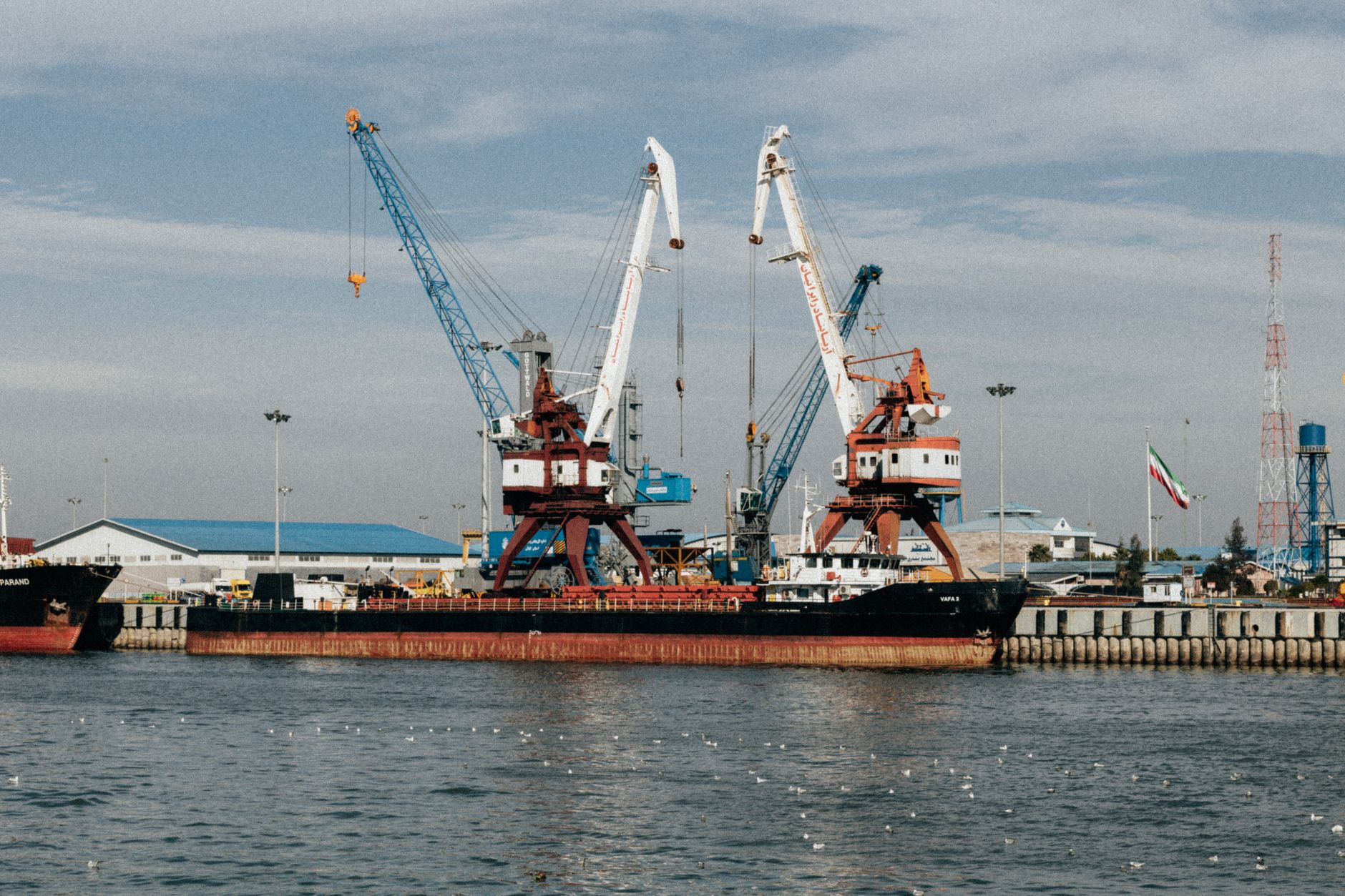
The Strait of Hormuz is considered one of the most strategic maritime chokepoints in the world, with a significant percentage of the world’s oil supply passing through its waters. Any disruption in this area can have far-reaching implications for global energy markets and international relations. Iran’s position on the reopening of the strait underscores its determination to assert its influence in regional affairs, especially amid ongoing sanctions and diplomatic isolation.
The meeting between Araqchi and Witkoff comes at a time of heightened tensions between Iran and the United States, particularly following the U.S.’s withdrawal from the Iran nuclear deal in 2018 and the subsequent reimposition of sanctions on the Iranian economy. The Iranian government has consistently criticized these measures, which it views as an act of aggression that undermines its sovereignty.
Iran’s call to lift the naval blockade and release frozen assets highlights its ongoing economic struggles, exacerbated by the sanctions. Frozen assets are believed to amount to billions of dollars, and their release is seen as crucial for Iran’s financial recovery. Additionally, the demand for an end to conflict on resistance fronts indicates Iran’s broader strategy to support allied groups in the region, which it views as integral to its national security.
As diplomatic talks continue, the response from the U.S. and its allies regarding Iran’s conditions remains to be seen. The international community is closely monitoring these developments, as any agreement or negotiation could lead to a shift in the current geopolitical landscape in the Middle East.
The outcome of this meeting may not only impact U.S.-Iran relations but also influence the stability of the region as a whole. As both sides navigate these complex issues, the importance of dialogue and diplomacy remains paramount in addressing the challenges that lie ahead.