A Tunisian Activist’s Journey from Gaza Flotilla Hero to Jailed Hunger Striker
In a striking turn of events, Wael Naouar, a well-known Tunisian activist, has transitioned from being a celebrated figure in the humanitarian movement to a prisoner engaged in a hunger strike. Just last year, Naouar was at the forefront of a mission to deliver aid to Gaza, standing proudly on a boat at Sidi Bou Said port, where he was greeted by thousands of supporters. His mission aimed to challenge Israel’s naval blockade and bring much-needed assistance to the Palestinian territories.
Today, however, Naouar finds himself in a starkly different situation. He is currently incarcerated in a prison near Tunis, where he has been on an open-ended hunger strike for over a month. His protest is aimed at the charges of financial misconduct that have been leveled against him and three fellow activists who were arrested in connection with the aid mission. Naouar maintains that these allegations are unfounded and politically motivated, asserting that they seek to suppress voices advocating for Palestinian rights.
The circumstances surrounding Naouar’s arrest have drawn attention both locally and internationally. Supporters argue that the charges are part of a broader effort to stifle dissent in Tunisia, particularly among those who champion the Palestinian cause. The activists involved in the Gaza flotilla have become symbols of resistance, and their legal troubles have sparked debates around freedom of expression and political repression in the country.
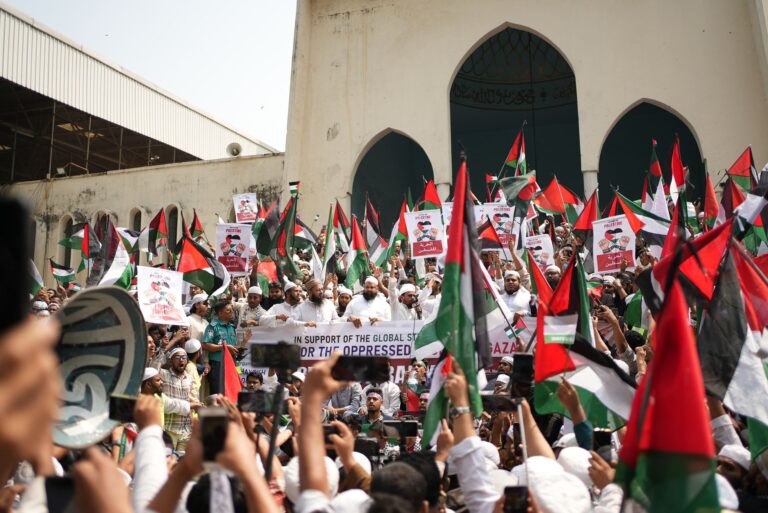
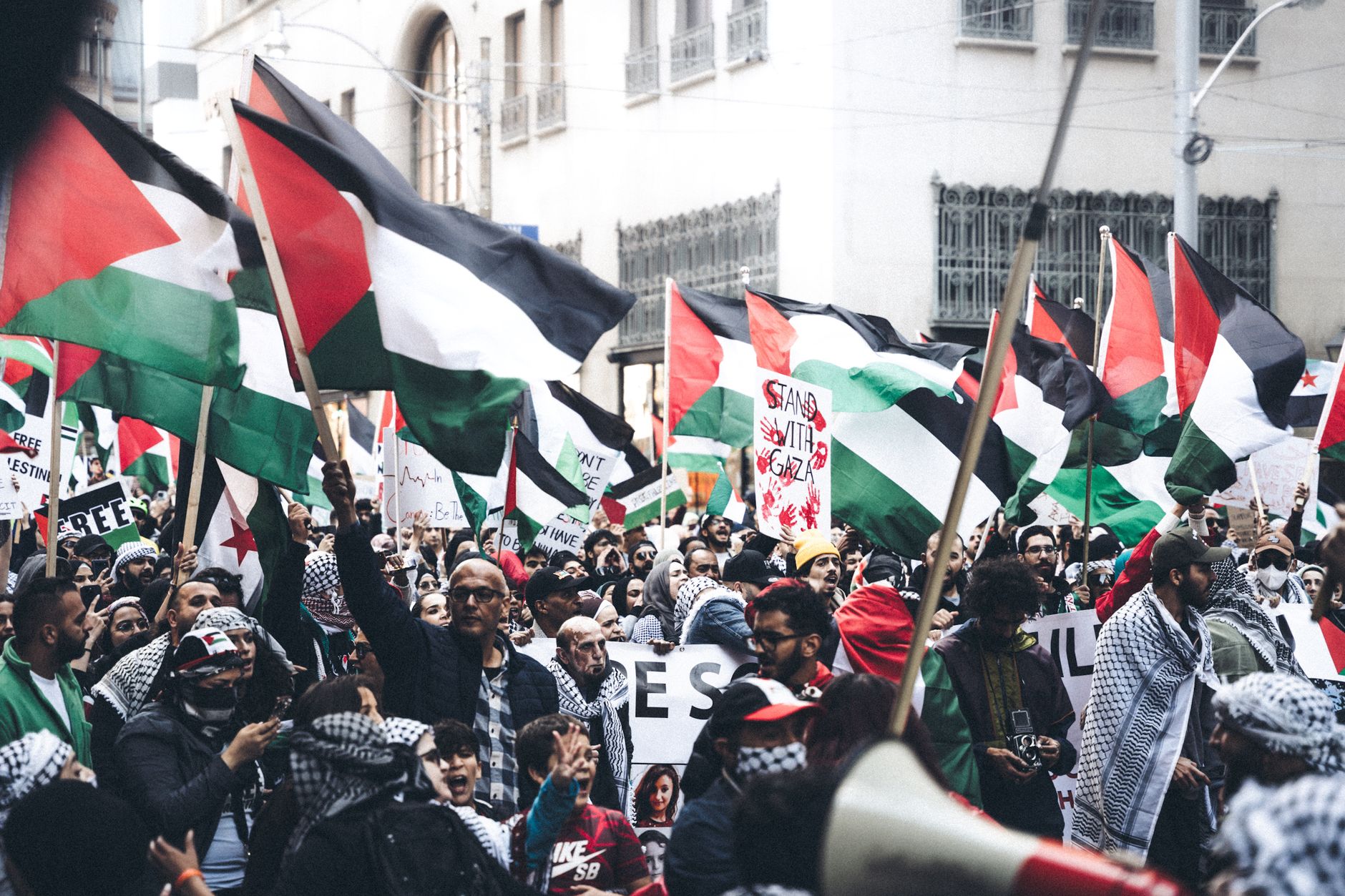
In recent weeks, Naouar’s hunger strike has garnered significant media coverage and public support. Activists and human rights organizations have rallied to his cause, calling for his immediate release and urging authorities to drop the charges against him. Demonstrations have taken place in various cities, echoing a common sentiment among supporters that the government should respect the right to protest and the pursuit of humanitarian efforts.
The Tunisian government, facing increasing scrutiny, has yet to comment extensively on the situation. Authorities maintain that the legal proceedings against Naouar and his co-accused are standard protocol and emphasize the importance of upholding the rule of law. Critics, however, argue that the government’s actions reflect a troubling trend of targeting individuals who challenge the status quo, particularly in relation to the Israeli-Palestinian conflict.
As the situation unfolds, many are watching closely, hoping for a resolution that respects both the legal framework of Tunisia and the rights of activists like Naouar. His plight serves as a reminder of the complex interplay between activism, governance, and human rights in the region, highlighting the ongoing struggles faced by those who dare to speak out in favor of justice and humanitarianism.