Iran’s President Affirms Stance Against U.S. Pressure While Advocating for Diplomacy
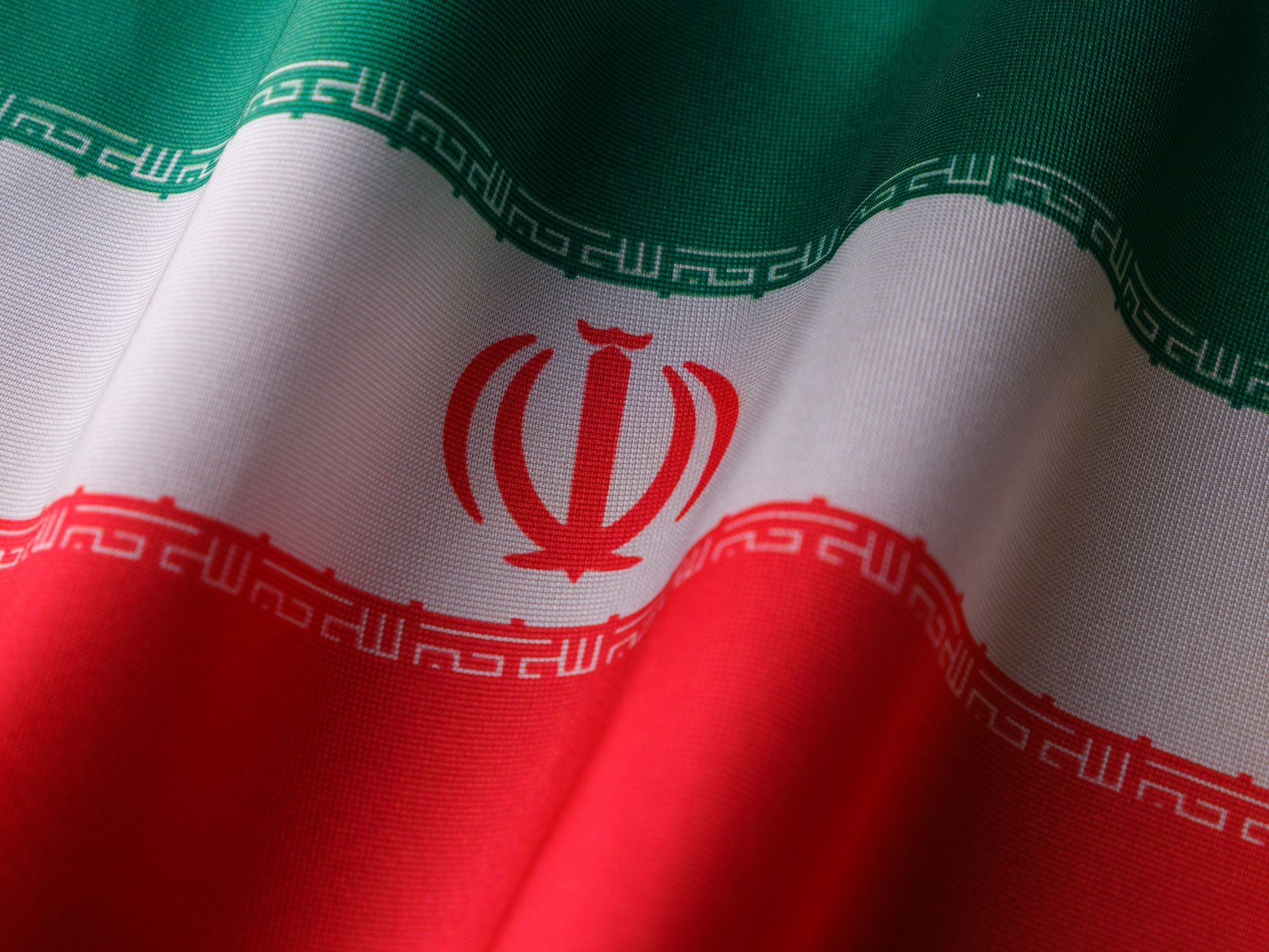
At the recent United Nations General Assembly, Iranian President Masoud Pezeshkian delivered a resolute message regarding Iran’s ongoing tensions with the United States. Speaking to an audience comprised of global leaders, he asserted that Iran will not capitulate in what he termed a “war” with the U.S., while simultaneously expressing a belief in the potential for diplomatic solutions.
Pezeshkian’s remarks came amid heightened tensions between the two nations, particularly regarding issues related to nuclear agreements and regional conflicts. He emphasized that Iran remains steadfast in its position and will not yield to external pressures, indicating a commitment to defending the nation’s sovereignty and interests.
However, despite the strong rhetoric surrounding resistance, Pezeshkian also highlighted a nuanced approach that includes a willingness to engage in dialogue. He articulated Iran’s readiness to pursue diplomatic channels to address and potentially resolve the existing conflicts with the U.S. and other nations. This dual stance of defiance coupled with openness to negotiations reflects a complex strategy aimed at balancing national pride with the pragmatic need for international cooperation.
The atmosphere during Pezeshkian’s address was notably charged, as the U.S. delegation walked out of the assembly shortly after he began speaking. The departure of American representatives underscored the deep divisions between the two countries and the challenges that lie ahead in fostering constructive communication. The U.S. mission to the United Nations has yet to issue a formal response to the speech, leaving questions regarding its implications for future diplomatic efforts.
Pezeshkian’s speech resonated with a broader audience that includes many nations grappling with their own relationships with the U.S. and its foreign policy. As Iran continues to navigate its position on the world stage, the president’s emphasis on diplomacy may signal a potential shift towards seeking common ground, albeit while maintaining a firm stance against perceived aggression.
The Iranian leader’s comments also reflect a broader sentiment among other nations that struggle with similar geopolitical pressures. The call for dialogue over conflict could serve as a reminder of the importance of diplomacy in resolving international disputes, a principle that resonates with many in the Arab-American community and beyond.
As global leaders continue to address pressing issues at the United Nations, the dynamics between Iran and the United States remain a focal point of international relations. The potential for dialogue amidst ongoing tensions suggests that while differences may persist, the desire for constructive engagement is still present, highlighting the complexities of modern diplomacy in an increasingly polarized world.