Iran’s President Asserts U.S. Responsibility in Determining End of Conflict
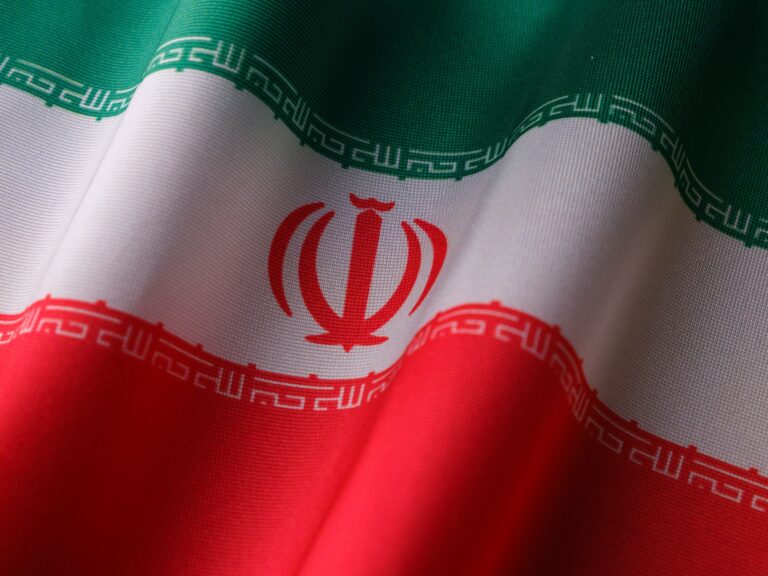
In a recent interview, Iranian President Masoud Pezeshkian emphasized that the decision to end the ongoing conflict involving Iran lies primarily with the United States. When asked about the potential for resolution by the year’s end, Pezeshkian expressed a desire for peace but pointedly stated that it is up to the U.S. to make that choice.
During his appearance on Fox News’ “Special Report with Bret Baier,” Pezeshkian conveyed Iran’s intention not to prolong the conflict. “We do not wish to continue,” he remarked, indicating that Iran is open to the idea of peace but insists that the initiative must come from the American side. His comments reflect the complexities of international relations and the ongoing tensions that have characterized U.S.-Iran interactions in recent years.
The background to Pezeshkian’s statements lies in the turbulent history between Iran and the U.S., particularly since the United States withdrew from the Joint Comprehensive Plan of Action (JCPOA) in 2018. This withdrawal, coupled with the reimplementation of sanctions, has exacerbated hostilities and impacted diplomatic relations.
Pezeshkian’s remarks come at a time when both nations face internal and external pressures regarding their foreign policies. For Iran, the economic ramifications of sanctions and the desire for international recognition and legitimacy play crucial roles in its approach to negotiations. Meanwhile, the U.S. is navigating its own strategic interests in the Middle East, balancing the need for security with the quest for diplomatic solutions.
In recent months, there have been signs of potential thawing in relations, with various diplomatic channels being explored. However, significant obstacles remain, including differing perspectives on regional stability, nuclear ambitions, and the influence of various geopolitical actors in the region.
The Iranian president’s call for the U.S. to take a decisive step towards peace could indicate a willingness from Iran to engage in further dialogue, should the U.S. reciprocate. This assertion was echoed in Pezeshkian’s broader message about the necessity for both nations to find common ground in order to foster a more stable and peaceful environment.
As the world watches closely, the developments in U.S.-Iran relations will likely have wider implications for regional politics and international security. The coming months could prove pivotal in determining whether a path to resolution will be taken or if the cycle of conflict will continue. The emphasis on U.S. responsibility for the conflict’s conclusion underscores the intricate dynamics at play and the need for diplomatic engagement moving forward.