Iran President Urges U.S. to Decide on War’s Continuation
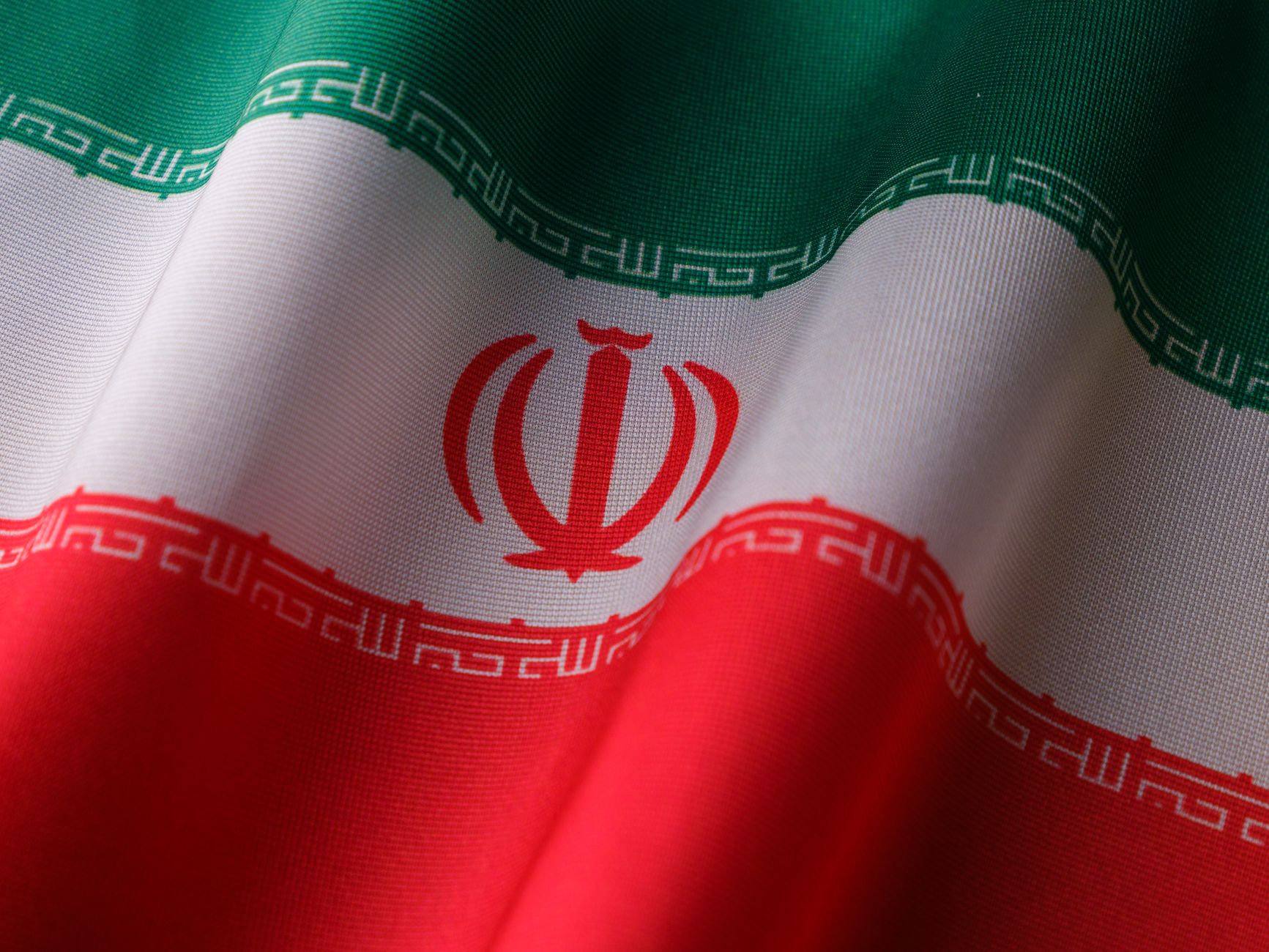
In a recent interview with Fox News, Iranian President Masoud Pezeshkian emphasized that the future of the ongoing conflict involving the United States is in Washington’s hands. Pezeshkian stated that Iran does not desire to prolong the fighting, positioning his country as open to de-escalation.
His remarks came shortly after a strong speech at the United Nations in New York, where he asserted that Iran would not relent under U.S. pressure. Pezeshkian’s comments reflect Iran’s steadfast stance against what it perceives as American dominance and interventionism in the region. He underscored that the choice to end hostilities rests solely with the U.S., indicating a willingness from Tehran to pursue peace if the United States also seeks a diplomatic resolution.
During his UN address, Pezeshkian portrayed Iran as a nation determined to maintain its sovereignty and dignity, rejecting any notion of subservience to foreign powers. This rhetoric aligns with a long-standing theme in Iranian politics, where resistance against Western influence is frequently highlighted as a core national value.
The interview comes at a time when U.S. President Donald Trump acknowledged that dialogues between the two nations are ongoing. The acknowledgment has sparked speculation regarding potential breakthroughs in negotiations aimed at easing tensions that have escalated over the past few years.
Pezeshkian’s visit to the United States and his subsequent statements underscore the complexities of U.S.-Iran relations, which have been fraught with conflict since the 1979 Islamic Revolution. The Iranian leadership has consistently called for the lifting of sanctions and a reduction in military presence in the region as preconditions for meaningful dialogue.
The Iranian president’s message is also directed at regional allies and adversaries, indicating Tehran’s commitment to a path of non-aggression while firmly standing against perceived threats. His assertion that Iran does not wish to engage in further conflict could be interpreted as an olive branch to the international community, suggesting a potential opening for renewed discussions aimed at stability in the Middle East.
As the international community watches closely, the question remains whether the United States will respond to Pezeshkian’s call for a reevaluation of its military strategy in the region. The choices made in the coming weeks could significantly impact the geopolitical landscape, affecting not only U.S.-Iran relations but also broader regional dynamics involving other countries in the Middle East.
In conclusion, the dialogue initiated by Pezeshkian invites a critical examination of ongoing policies and positions held by both nations. As the situation evolves, many are hopeful for a diplomatic resolution that could foster peace and stability.