Iran Maintains Firm Stance on Nuclear Program Amid U.S. Negotiations
Iran has reaffirmed its commitment to maintaining its current nuclear program without any concessions, regardless of ongoing discussions with the United States concerning the strategic Strait of Hormuz. A senior Iranian official, who requested anonymity, emphasized that Tehran will not alter its nuclear stance even if the U.S. agrees to re-engage with Iran on matters related to the vital shipping route.
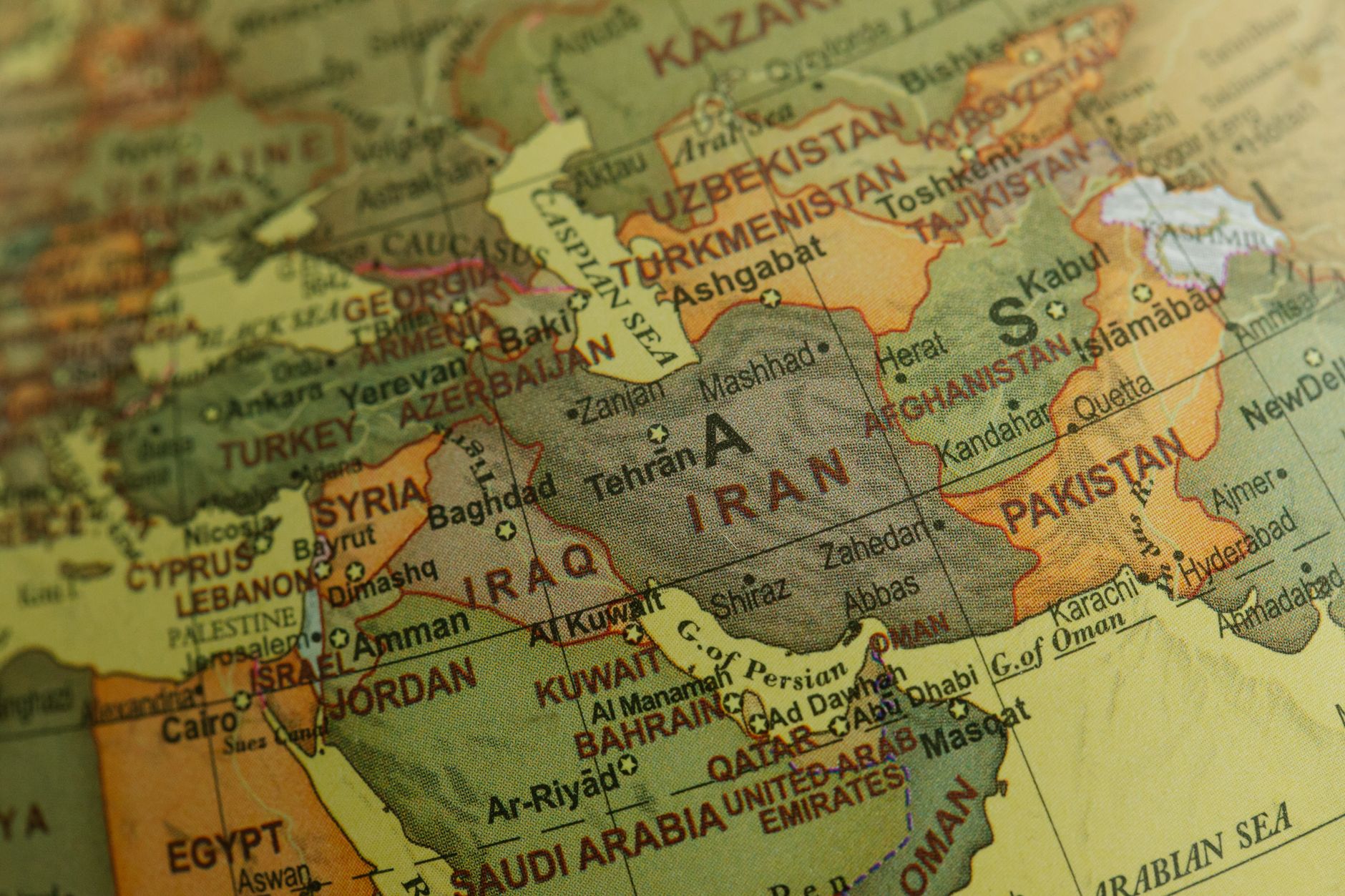
The Strait of Hormuz, a critical passage for global oil shipments, has become a significant point of contention between the two nations. Iran’s official indicated that the waterway would remain effectively closed until the United States complies with all demands set forth by Iran. This statement reflects Tehran’s broader strategy to assert its position in the face of international pressure and sanctions.
The backdrop to these developments includes a complex web of diplomatic negotiations and heightened tensions in the region. The U.S. has been proactive in addressing security concerns related to the Strait of Hormuz, particularly in light of previous incidents involving Iranian naval forces. The Iranian official’s comments suggest that Tehran is prepared to uphold its current course, viewing the nuclear program as a key component of its national security and regional influence.
Iran’s nuclear ambitions have long been a source of international concern, with Western nations fearing that the development of nuclear capabilities could lead to destabilization in the Middle East. Despite this, Iran insists that its nuclear activities are peaceful and aimed at energy production. The Iranian government has consistently rejected any proposals that would compromise its sovereignty or its right to pursue nuclear technology.
Moreover, the official pointed out that any negotiations regarding the Strait of Hormuz must include an end to the U.S. naval blockade on Iranian ports, which has been a significant hurdle in diplomatic relations. Iran’s insistence on this point underscores its determination to leverage its strategic geographical position while pursuing its nuclear agenda.
The current geopolitical landscape remains fraught with uncertainty, as both nations navigate a path fraught with potential conflict. As these discussions evolve, the international community continues to observe closely, given the implications for global oil markets and regional stability.
With diplomatic efforts ongoing, the outcome of these negotiations remains to be seen. However, Iran’s unwavering stance on its nuclear program signals a challenging road ahead for any potential reconciliation between Tehran and Washington.