Iran Proposes Seven-Day Plan to Reopen Strait of Hormuz
Iran’s Foreign Minister, Abbas Araghchi, announced that Tehran has put forth a proposal to the United States aimed at reinstating maritime navigation in the Strait of Hormuz within a week, contingent on mutual agreement. This significant development highlights ongoing tensions in the region and the critical importance of the strait as a global energy corridor.
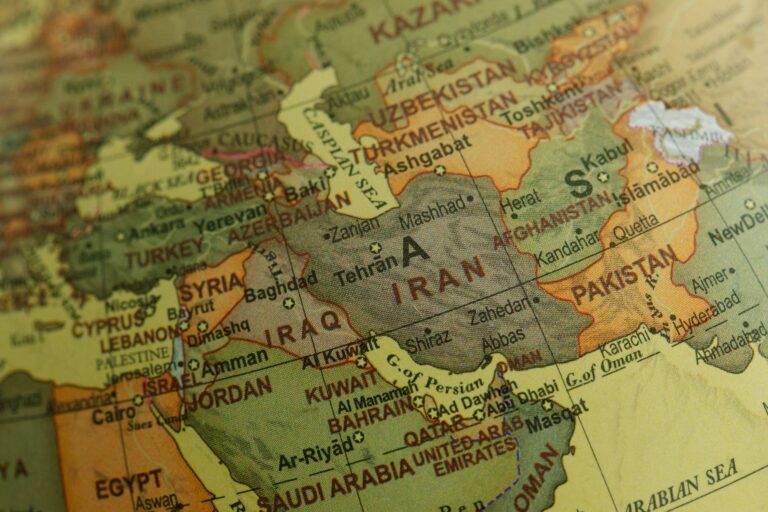
The Strait of Hormuz, which connects the Persian Gulf with the Gulf of Oman, is a key passageway for oil shipments, with approximately 20% of the world’s oil supply transiting through it. Araghchi emphasized that the reopening of this vital shipping route is essential for regional stability and economic security.
During a recent meeting with U.S. President Donald Trump’s special envoy, Steve Witkoff, Araghchi outlined the framework of the proposal. While specific details of the conditions for reopening the strait were not disclosed, the discussions signal a potential pathway toward de-escalation of hostilities between Iran and the U.S.
This proposal comes amid a backdrop of heightened tensions in the Middle East, particularly following incidents involving naval vessels in the area. The Iranian government has consistently expressed its commitment to securing safe navigation through the Strait of Hormuz, which it views as crucial not only for its own economy but also for international trade.
The Iranian minister’s remarks underscore Tehran’s willingness to engage in dialogue, even as it faces significant pressure from sanctions imposed by the U.S. and its allies. These sanctions have had a profound impact on Iran’s economy, leading to calls for a resolution that would allow for the safe passage of ships and the resumption of oil exports.
As the situation continues to evolve, the international community is closely monitoring Iran’s proposal. Analysts suggest that the success of any negotiations will depend on the willingness of both parties to compromise and find common ground. The potential reopening of the Strait of Hormuz could alleviate some of the economic strains affecting not only Iran but also countries that rely heavily on oil imports.
In the coming days, it remains to be seen how the U.S. government will respond to Iran’s overture. The outcome of these discussions could have significant implications for maritime security in the region and the global energy market. As both nations navigate these complex dynamics, the hope is that dialogue will prevail over conflict, paving the way for a more stable and cooperative environment in the Persian Gulf.