Iran’s Armed Forces Prepare for Potential US Aggression
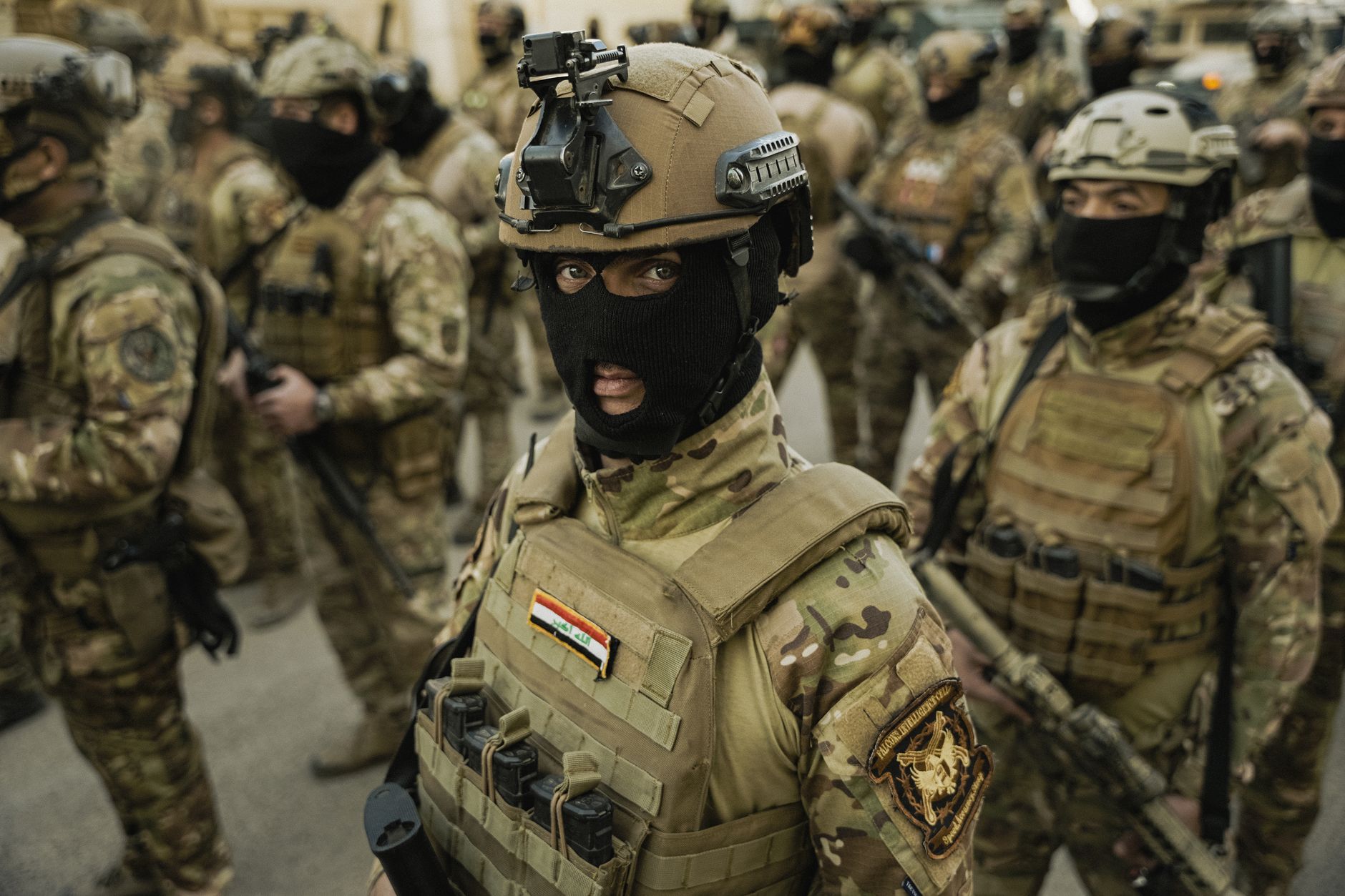
In a recent statement, Iran’s military has expressed its readiness to respond to any potential renewed aggression from the United States. Mohammad Akraminia, a spokesperson for the Iranian armed forces, conveyed this message through state media, emphasizing the country’s preparedness for confrontation should tensions escalate.
The remarks come on the heels of comments made by U.S. President Donald Trump, who dismissed an Iranian proposal aimed at reopening the strategically important Strait of Hormuz and de-escalating hostilities between the two nations. This rejection has heightened concerns regarding the already fraught relationship between Washington and Tehran, especially given the historical significance of the Strait, which serves as a crucial conduit for global oil shipments.
Akraminia underscored the military’s readiness, asserting that any attack from the U.S. would result in significant repercussions. He stated, “Our armed forces are fully prepared for any situation, and if the U.S. decides to launch an attack, they will face greater damage than they anticipate.” This declaration reflects Iran’s long-standing military posture, which emphasizes deterrence and readiness in the face of perceived external threats.
The backdrop to these developments includes ongoing tensions that have characterized U.S.-Iran relations since the U.S. withdrew from the nuclear agreement in 2018 and subsequently imposed stringent economic sanctions on Iran. These actions have led to an escalation in hostilities, with both countries engaging in a series of confrontational exchanges.
Iran has frequently articulated its stance on defending its sovereignty and interests, particularly in the context of its military capabilities in the region. The Iranian government maintains that its military actions are defensive in nature, aimed at protecting its territorial integrity against foreign interference.
As the situation unfolds, analysts are closely monitoring the potential implications of these statements for regional stability. The Strait of Hormuz remains a focal point of international shipping and energy security, and any military confrontation in this area could have far-reaching consequences, not just for Iran and the U.S., but for global markets and international relations as well.
In light of these escalating tensions, it is crucial for stakeholders in the region and beyond to pursue dialogue and diplomatic solutions to mitigate the risks of conflict. The recent comments from both Iranian and U.S. leaders highlight the complex and often volatile nature of their relationship, underscoring the need for continued efforts towards peace and stability in the region.