Iraq Approves 40 Daily Flights Between Iran and Najaf
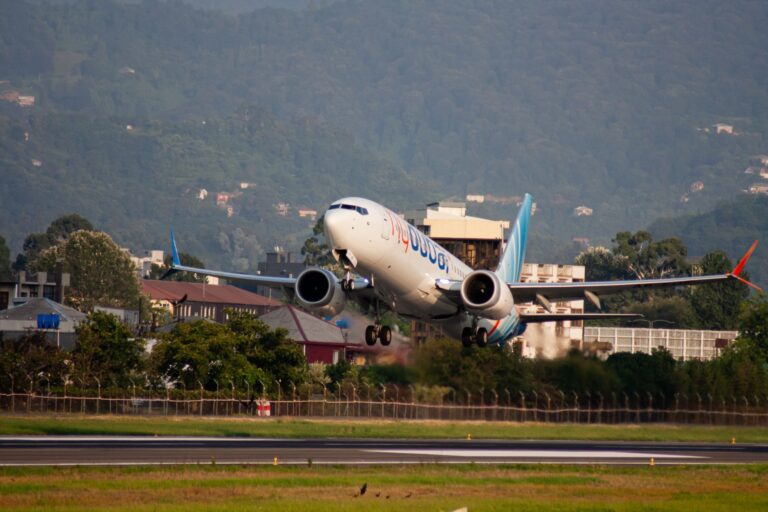
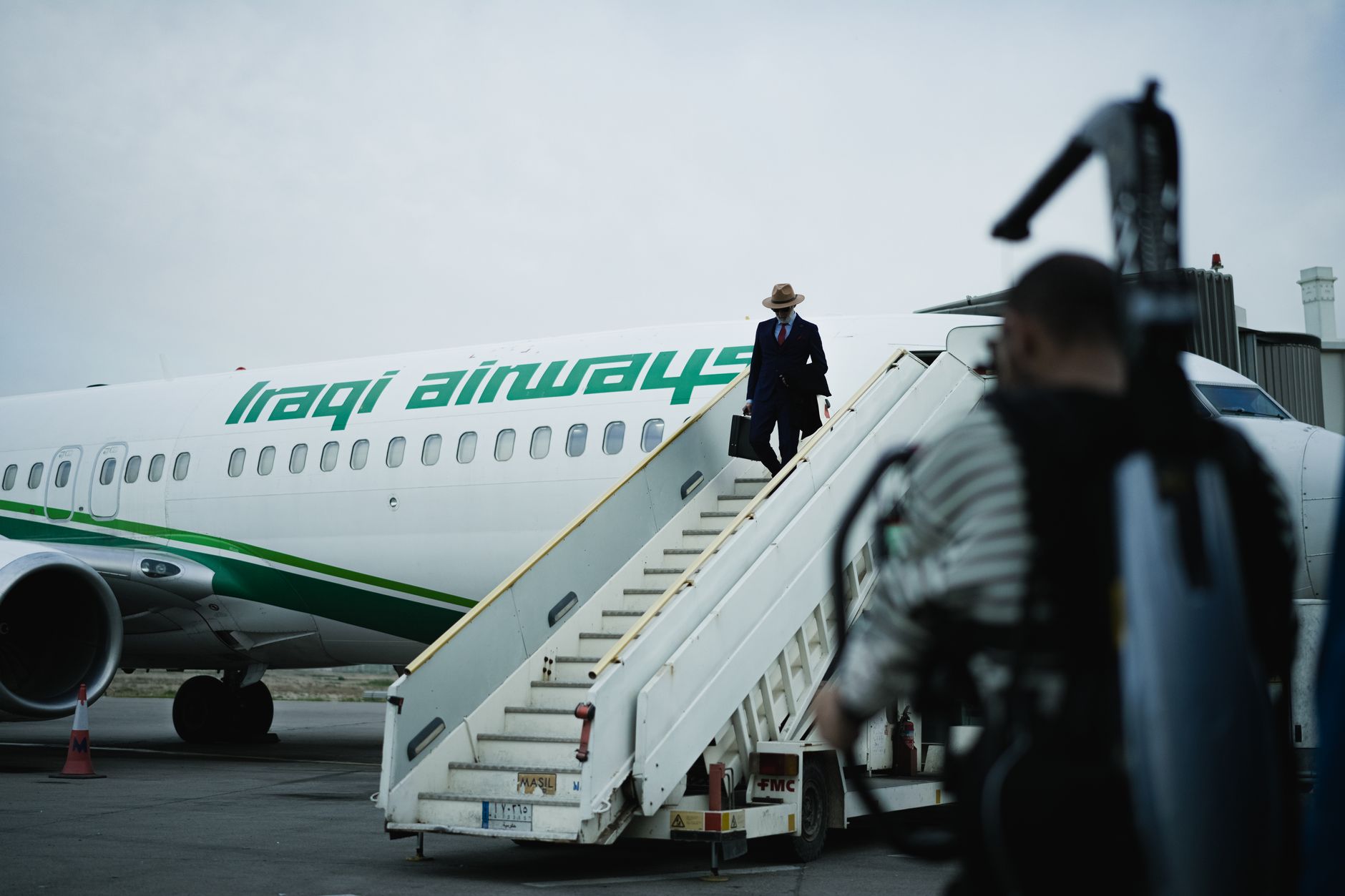
Iraq’s Prime Minister’s office has announced that Iranian airlines, with the exception of Mahan Air, have been granted permission to operate up to 40 flights daily to and from Najaf International Airport. This decision comes after a temporary suspension of flights due to recent U.S. sanctions impacting air travel between Iraq and Iran.
The suspension of flights had been implemented last week as part of compliance with U.S. sanctions. These measures aimed at curtailing Iran’s influence in the region have caused significant disruptions in travel, particularly affecting Shi’ite Muslim pilgrims who often travel between the two countries for religious observances.
In a development that signals a shift in policy, reports indicated that the U.S. Treasury was considering a one-month waiver to facilitate flights specifically for the transportation of Shi’ite pilgrims. This waiver, if finalized, would allow for a more organized flow of pilgrims during significant religious periods, which are crucial for the Shi’ite community in both Iran and Iraq.
Najaf, located in central Iraq, is a significant religious hub for Shi’ite Muslims, drawing thousands of pilgrims annually to its revered shrines. The ability to resume flights is expected to benefit not only the religious community but also the local economy, which relies heavily on tourism and pilgrimage-related activities.
The decision to allow these flights, however, raises questions about the broader implications of U.S. sanctions and Iraq’s relationship with Iran. Iraq has often found itself in a delicate balancing act, navigating its ties with both the U.S. and Iran. The recent approval of flights may reflect Iraq’s efforts to maintain its sovereignty and meet the needs of its citizens while adhering to international pressures.
Officials have emphasized the importance of ensuring that religious practices can continue without undue disruption. The Iraqi government is aware of the potential backlash from various factions within the country and is working to manage the situation carefully.
As the situation evolves, the Iraqi government remains committed to finding solutions that prioritize the well-being of its citizens, particularly those engaged in religious pilgrimages. The resumption of flights between Iran and Najaf is a crucial step in that direction, providing a lifeline for many who seek to fulfill their spiritual obligations.
In summary, the reinstatement of these flights illustrates the complexities of Iraqi foreign policy and the ongoing impact of U.S. sanctions on regional travel. It also highlights the enduring significance of Najaf as a center of Shi’ite faith and the need for Iraq to navigate its relationships with both Iran and the United States carefully.