New Insights on Newborn Hearing Screening and CMV-Related Hearing Loss
Newborn hearing screening is a crucial step in identifying potential hearing impairments in infants. However, recent discussions have highlighted an important aspect of these screenings: they do not specifically test for cytomegalovirus (CMV), a common virus that can lead to significant hearing loss if contracted early in life. Understanding the relationship between newborn hearing screenings and CMV is essential for parents and healthcare providers alike.
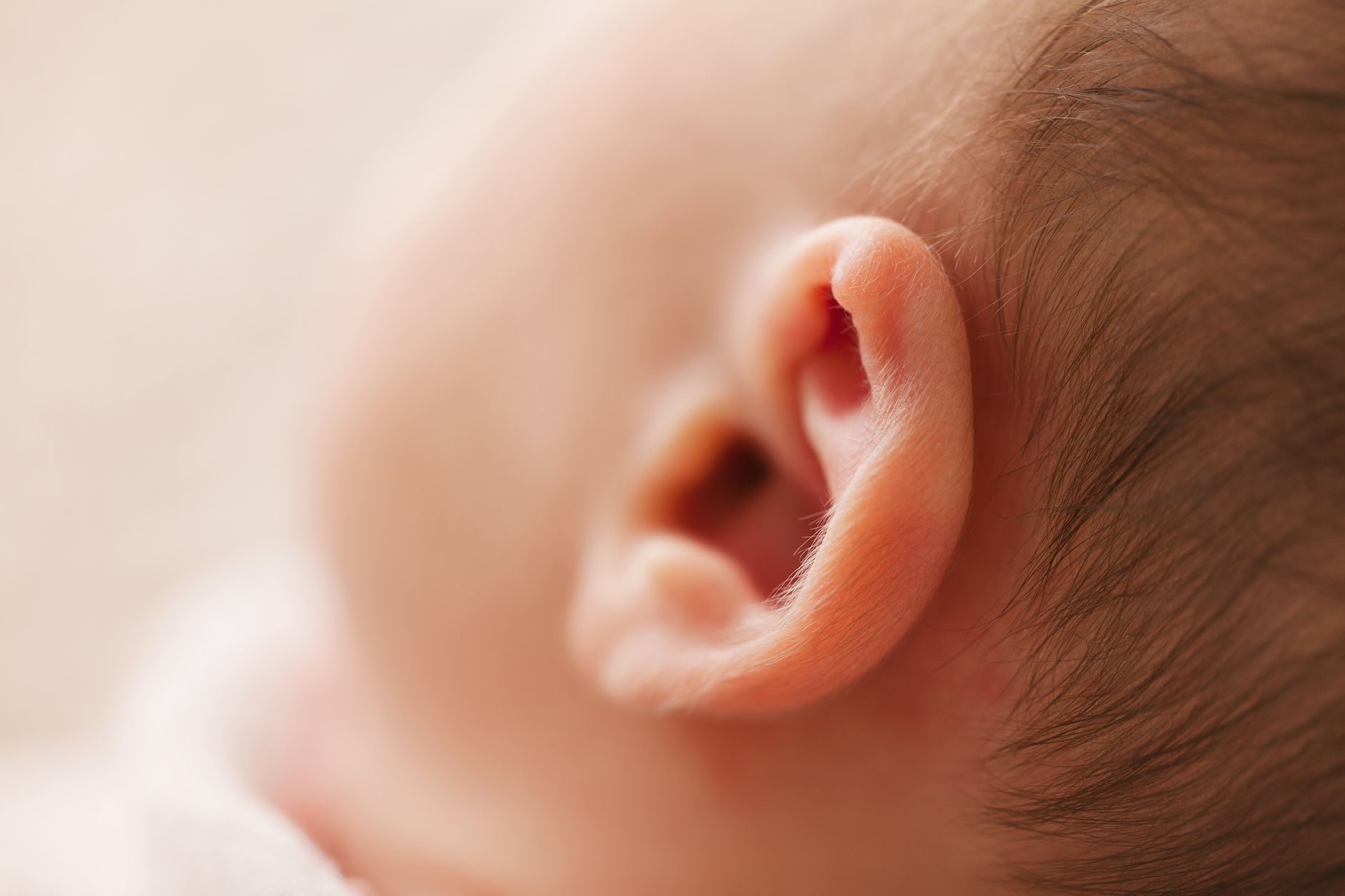
Newborn hearing screenings are typically conducted before a baby is discharged from the hospital. These tests check for hearing issues that can affect a child’s development and communication skills. While these screenings are effective in identifying immediate hearing problems, they do not detect whether a baby has been infected with CMV, which is one of the leading causes of congenital hearing loss in infants.
CMV is a widespread virus that affects people of all ages, but it can be particularly concerning for pregnant women and newborns. When a baby is born with a CMV infection, it can lead to a range of health issues, including hearing loss, vision problems, and developmental delays. It is estimated that about 1 in 150 newborns are infected with CMV at birth. However, not all babies with congenital CMV will experience health complications; approximately 10-15% may develop serious issues, including hearing loss.
Experts emphasize the need for targeted testing for CMV in newborns who fail their initial hearing screenings. While newborn hearing tests are vital for early identification of hearing impairments, they do not provide a complete picture of a baby’s health regarding viral infections. Infants who do not pass their hearing tests should undergo further evaluation, which may include testing for CMV. Early detection of a CMV infection can lead to timely interventions that may mitigate some of the associated complications.
Ongoing monitoring of hearing in infants diagnosed with CMV is also crucial. Since hearing loss can develop or change over time, continued audiological assessments are recommended for these children. Regular follow-ups can help ensure that any changes in hearing ability are promptly addressed, allowing for appropriate therapies and support.
For parents, it is imperative to discuss hearing screening results and any concerns about CMV with their healthcare provider. Understanding the limitations of newborn hearing screenings and the importance of follow-up care can help ensure that affected infants receive the comprehensive care they need.
In summary, while newborn hearing screenings are an important first step in identifying hearing issues, they do not test for CMV. Families should be aware of the implications of CMV-related hearing loss and the importance of follow-up testing and monitoring to support their child’s development and health.