Trump Questions Leadership in Iran Amid Ongoing Conflict
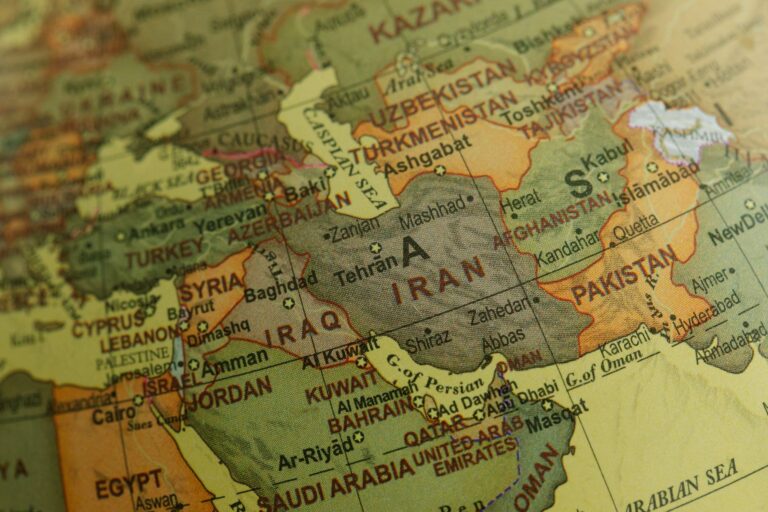
In a recent statement, former President Donald Trump expressed uncertainty regarding the leadership structure in Iran as the conflict between the United States and Israel against Iran continues into its eighth month. During a press event, Trump remarked that the current situation in Iran is confusing, stating, “Their leaders are gone, their second group of leaders are gone, and the biggest problem I have is nobody knows who the hell is running the country.”
Trump’s comments come as tensions escalate in the region, with both the U.S. and Israel taking a more aggressive stance against what they perceive as Iranian influence and aggression. The former president’s remarks highlight a growing concern among U.S. officials about the stability and decision-making processes within the Iranian government.
In response to Trump’s assertions, Iran’s foreign ministry spokesperson firmly rebutted the claims, stating that the United States is fully aware of who its counterparts are in Iran. The spokesperson emphasized that the intricacies of Iran’s political system and its leadership are well-known, countering the notion that there is any ambiguity about who is in control.
The ongoing conflict has raised significant questions about regional security and the dynamics of international relations in the Middle East. As the U.S. and Israel work together to address perceived threats from Iran, understanding the internal structure of Iran’s leadership becomes increasingly critical. The Iranian government has long been characterized by its complex political hierarchy, which includes various factions and ideologies.
Trump’s comments reflect a broader narrative in U.S. politics regarding the need for clarity in foreign policy, especially in regions where leadership can be fragmented. The ambiguity surrounding Iran’s leadership could complicate diplomatic efforts and negotiations, as U.S. officials may struggle to identify whom to engage with effectively.
As the conflict continues, observers are closely monitoring the implications of such statements on U.S.-Iran relations and the overall stability of the region. The situation remains fluid, with significant developments expected as both sides navigate the ongoing challenges posed by this prolonged conflict.
In light of these events, the Iranian response underscores a commitment to asserting its sovereignty and clarifying its political structure to the international community. As tensions persist, the global community remains vigilant, hoping for a resolution that promotes peace and stability in the Middle East.