Portugal PM Cautions Judiciary Against Political Interference Related to U.S. Air Base Use
In a recent statement, Portuguese Prime Minister Luis Montenegro emphasized the legality of the United States’ use of the Lajes Air Base amid ongoing tensions in the Middle East, particularly regarding the conflict involving Iran. He urged the judiciary to refrain from making politically charged decisions as prosecutors launched an investigation into the government’s approval of this military cooperation.
The inquiry was initiated following a complaint lodged by a leftist opposition party that questioned the government’s authorization of the air base for U.S. military operations. This investigation has introduced a legal aspect to a contentious and politically sensitive topic, drawing attention to Portugal’s role in international military efforts.
Montenegro defended the government’s actions, asserting that the use of the Lajes Air Base is in compliance with both national and international law. He highlighted the importance of maintaining a clear distinction between judicial responsibilities and political matters, cautioning against any potential encroachments that could undermine the integrity of the judicial system.
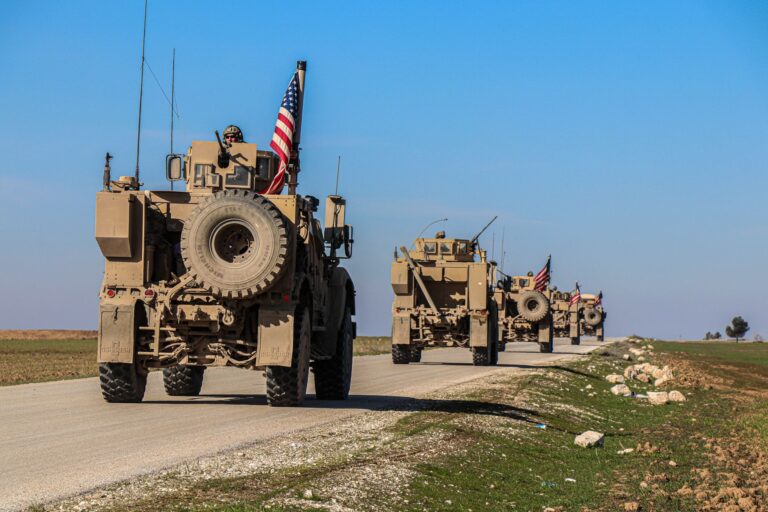
The Lajes Air Base, located in the Azores archipelago, has long been a strategic asset for the United States. It has served as a vital refueling and logistics hub for military operations in the Atlantic and beyond. In light of recent conflicts, several European countries have taken measures to either restrict or outright deny U.S. military aircraft access to their airspace or bases, raising concerns about the implications for NATO and transatlantic relations.
Portugal’s stance on the use of the Lajes Air Base reflects a balancing act between supporting allied military operations and addressing domestic political pressures. The ruling party, led by Montenegro, has faced criticism from opposition factions who argue that the government’s cooperation with U.S. military efforts could drag Portugal into conflicts that do not align with its foreign policy objectives.
As the investigation unfolds, the prime minister’s remarks underscore the delicate nature of political discourse surrounding military involvement in global conflicts. The outcome of the inquiry may have significant implications for Portugal’s defense strategies and its relationship with both the United States and other European allies.
The situation remains fluid, with public sentiment divided on the issue. As the judiciary proceeds with its investigation, observers will be closely watching how political dynamics evolve within Portugal, as well as the potential repercussions for the nation’s military engagements on the international stage.