Libya’s Military Intercepts Over 1.3 Million Narcotics in Smugglers’ Clash
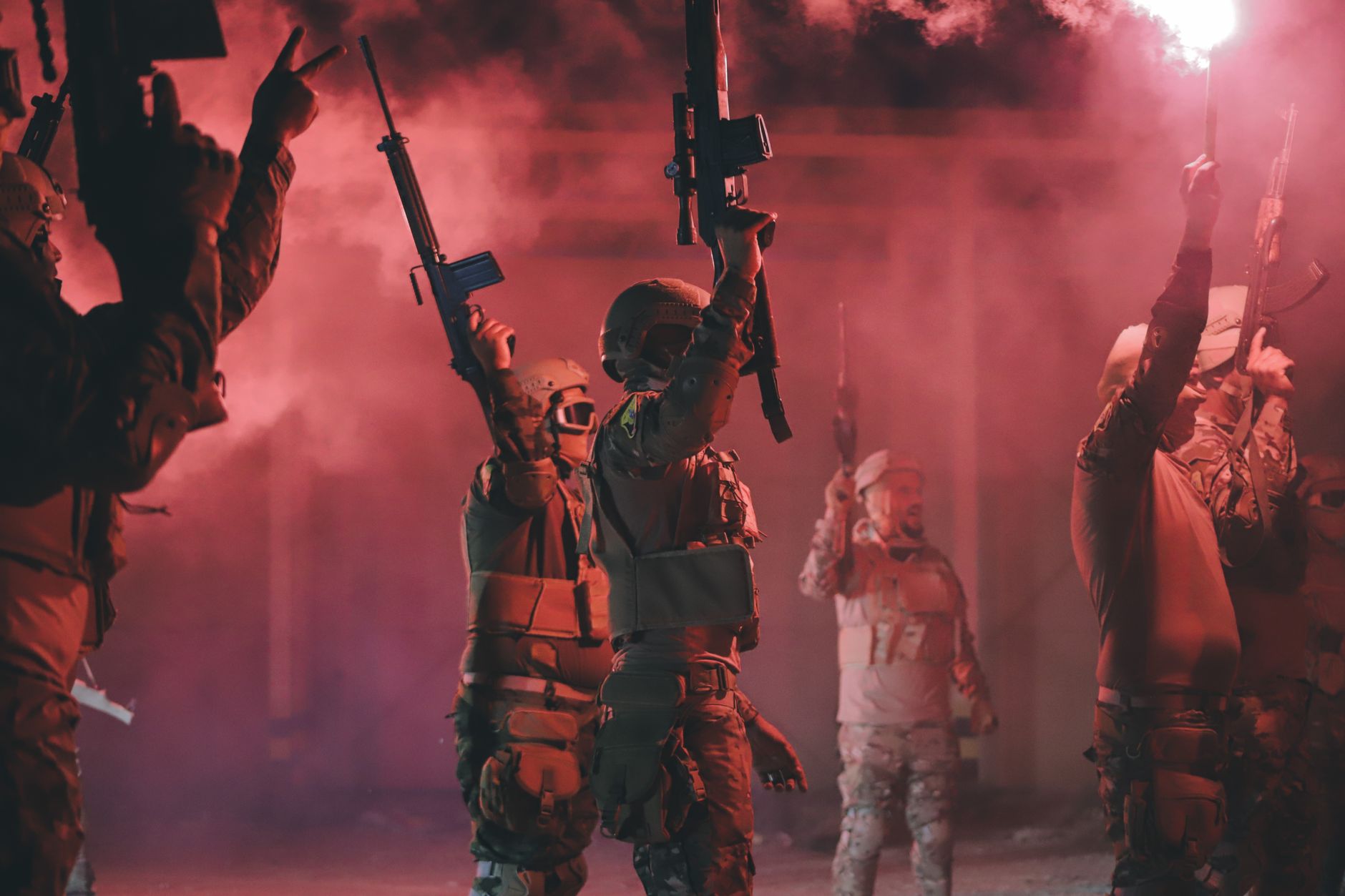
Libya’s military has reported a significant seizure of narcotics, capturing more than 1.3 million pills during a confrontation with smugglers in a southeastern town. The operation, which occurred recently, resulted in injuries to three soldiers, highlighting the ongoing challenges the military faces in combating drug trafficking in the region.
The clash took place as military forces engaged with a group of smugglers known for their involvement in the illicit drug trade. The military’s successful operation underscores the escalating issue of drug smuggling in Libya, which has increasingly become a key transit point for synthetic drugs and other narcotics aimed at both local consumers and markets across Africa. The United Nations highlighted this growing trend earlier this year, pointing to Libya’s strategic location that makes it an attractive route for traffickers.
Authorities have expressed concern over the rising prevalence of drug use within Libya, as well as the broader implications for regional security. The military’s actions reflect a commitment to addressing these challenges, although the task is complicated by the country’s ongoing instability and the presence of various armed groups. These groups often exploit the chaotic environment to engage in illegal activities, including drug trafficking.
In recent years, Libya has seen an increase in the availability of synthetic drugs, which pose serious health risks to users. The military’s seizure of narcotics is part of a broader effort to dismantle trafficking networks that threaten not only the health of the population but also the stability of the nation.
Reports indicate that the military has ramped up its operations against drug trafficking, conducting numerous raids and patrols in areas known for smuggling activities. The government has called for enhanced cooperation with international agencies to better tackle the issue and to strengthen border security, which remains a significant challenge given the porous nature of Libya’s borders.
As Libya continues to navigate its post-revolution landscape, drug enforcement remains a critical issue. The military’s recent success in intercepting a large shipment of narcotics serves as a reminder of the ongoing battle against drug trafficking and its impact on Libyan society. The government’s efforts to combat this issue will be crucial in restoring order and ensuring the safety of its citizens.
The situation remains fluid, and with the ongoing challenges posed by armed groups and instability, the military’s ability to maintain momentum in its anti-drug operations will be essential for the future of Libya’s security and public health.