Trump Offers Iran Path to Nuclear Deal While Maintaining Military Pressure
In a significant diplomatic maneuver, President Donald Trump has indicated a willingness to explore avenues for a nuclear agreement with Iran while simultaneously reinforcing military pressure on the Islamic Republic. This approach seeks to create a dual strategy: encouraging Iran to engage in negotiations over its nuclear program while still showcasing military readiness in the region.
Trump’s administration has emphasized the importance of curbing Iran’s nuclear ambitions, which have been a point of contention since the U.S. withdrew from the Joint Comprehensive Plan of Action (JCPOA) in 2018. The JCPOA, established in 2015, aimed to limit Iran’s nuclear capabilities in exchange for sanctions relief. Following the U.S. exit from the agreement, tensions have escalated, with Iran gradually stepping away from its commitments under the deal.
In recent discussions, Iranian officials have hinted at a potential willingness to compromise regarding uranium enrichment levels, a critical aspect of the nuclear debate. These talks suggest that Iran may be open to negotiating terms that could lead to a renewed dialogue with the U.S. and its allies. However, the Iranian government has also firmly stated that any negotiations must include the lifting of sanctions that have severely impacted its economy.
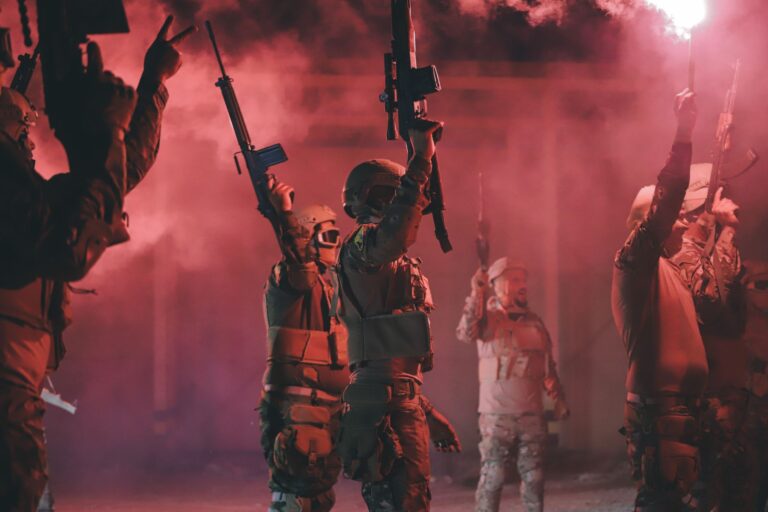
The Trump administration’s military posture includes increased naval presence in the Persian Gulf and ongoing support for regional allies, such as Israel and Saudi Arabia. This show of force is intended to deter Iran’s aggressive actions and assure U.S. partners that America remains committed to ensuring stability in the Middle East.
While the potential for renewed negotiations is cautiously welcomed by some analysts, there are concerns about the effectiveness of this dual strategy. Critics argue that maintaining military pressure might hinder diplomatic efforts, as it could provoke further escalation and make Iran less inclined to engage in meaningful talks. Conversely, proponents believe that a strong military stance is necessary to compel Iran to come to the negotiating table.
As the situation continues to evolve, both U.S. and Iranian officials are under pressure to find common ground. The future of any potential agreement will likely hinge on the ability of both sides to navigate the complexities of their respective demands, including Iran’s insistence on sanction relief and the U.S. call for stringent measures to prevent nuclear proliferation.
As the international community closely monitors these developments, the path forward remains uncertain. The interplay between military readiness and diplomatic engagement will be crucial in determining whether a resolution to the longstanding nuclear dispute can be achieved.