Global Impacts of Strong El Niño: A Week of Weather Extremes
The ongoing El Niño weather phenomenon, characterized by unusually warm sea surface temperatures, is making its presence felt across the globe, bringing a mix of challenges and concerns. This week, the effects of this strong El Niño cycle have become particularly pronounced, raising alarms about food security, exacerbating wildfires, and causing power supply issues in several regions.
One of the most alarming consequences of this weather pattern is the increase in wildfires in various parts of the world. In Indonesia, for instance, the dry conditions brought about by El Niño have led to a surge in forest fires, threatening biodiversity and the livelihoods of local communities. The government has initiated emergency measures, including the deployment of firefighting teams, to combat the blazes that have already consumed large areas of land. The fires have also prompted international attention, as they pose significant risks to the habitats of endangered species such as orangutans, leading to rescue operations to save these animals from the flames.
Meanwhile, in the Amazon rainforest, similar conditions have sparked fires that endanger both the environment and indigenous communities. The Brazilian government has intensified its efforts to monitor and control these fires, which have been fueled by illegal land clearing and dry weather exacerbated by El Niño. Environmental activists are calling for more robust protections to safeguard the Amazon, emphasizing its critical role in global climate regulation.
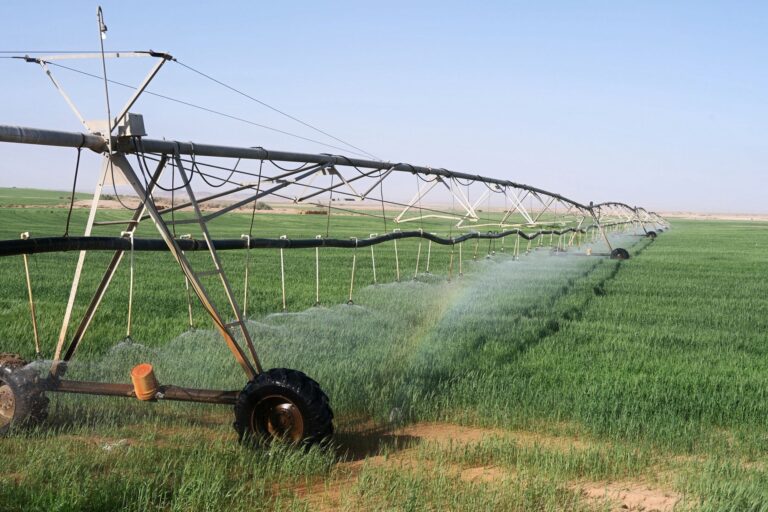
In addition to the ecological impacts, food security is becoming a pressing issue in many regions. Countries in Southeast Asia have reported disruptions in agricultural production due to erratic rainfall patterns linked to El Niño. Farmers are facing challenges in crop yields, particularly staples like rice and corn, which could lead to increased prices and food shortages. Governments are urged to implement measures to support farmers and ensure food supply stability as the situation evolves.
Power supply warnings have also surfaced, particularly in regions dependent on hydropower. The changing weather patterns have resulted in lower water levels in reservoirs, impacting electricity generation. Countries relying heavily on hydroelectric power are bracing for potential outages and urging consumers to conserve energy.
As the El Niño phenomenon continues to unfold, its global ramifications are being closely monitored. Experts warn that the situation could worsen before it improves, making it essential for affected communities and governments to prepare for ongoing challenges. The interplay of environmental, economic, and social factors during this period underscores the need for coordinated responses to mitigate the impacts of this powerful weather cycle.