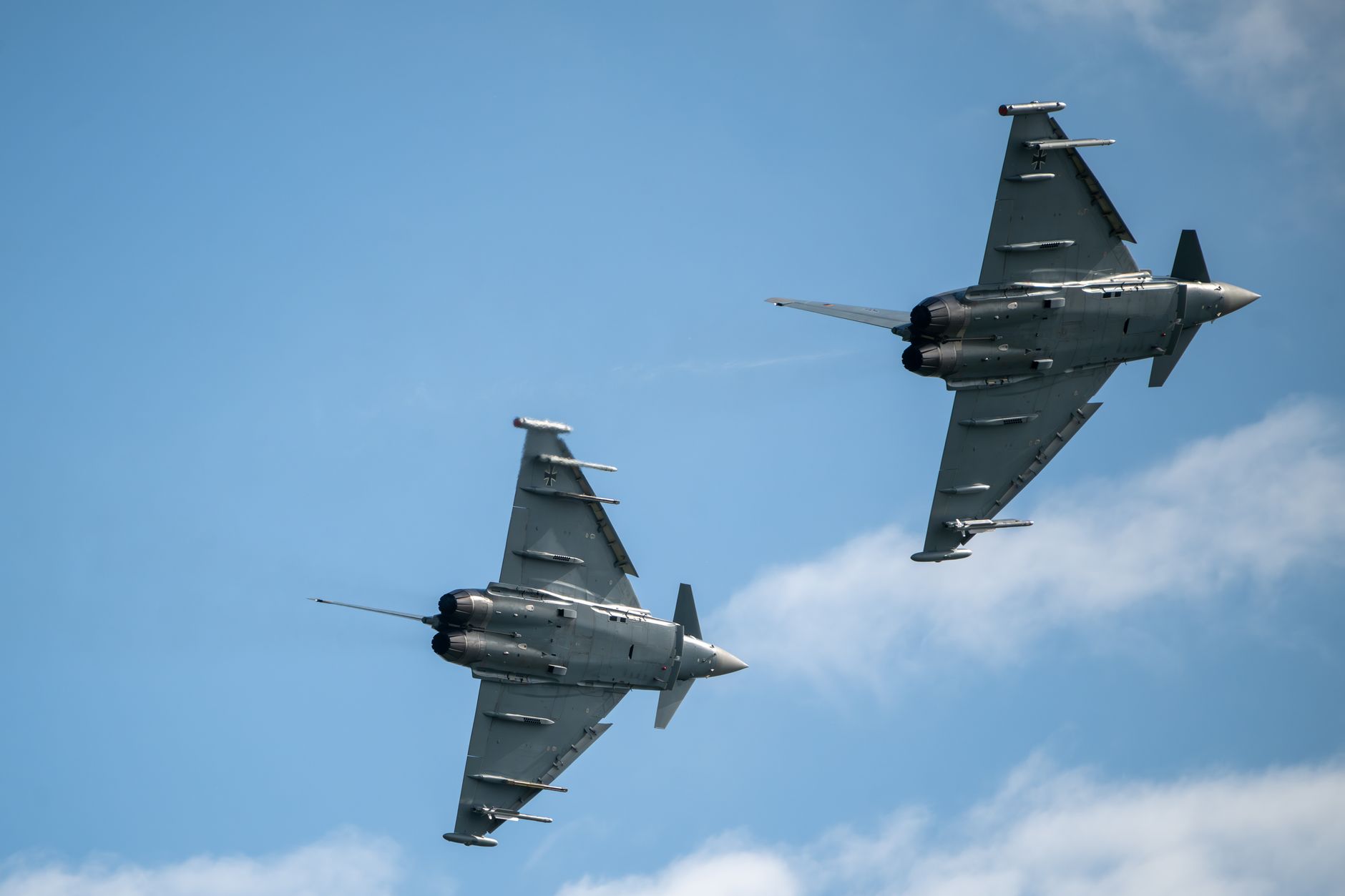
Germany Scrambles Fighter Jets Following False Hijacking Alert from Airline
A routine flight from Greece to Germany experienced a significant scare on Tuesday when a malfunction in the communication system triggered a false hijack alert, leading the German air force to scramble two fighter jets. The incident occurred as the Corendon Airlines flight was approaching Nuremberg, prompting a swift response from military authorities.
Initial reports indicated that the cockpit of the aircraft had sent out signals that were interpreted as a hijacking in progress. This alarming message resulted in the immediate deployment of two German fighter jets to intercept the flight, ensuring the safety of the passengers and crew aboard. However, once the aircraft landed safely in Nuremberg, it was determined that no actual emergency had taken place.
Corendon Airlines quickly addressed the situation, attributing the distress signal to a malfunction in the radio communication system. The airline reassured the public that the flight was not in danger at any point, stating, “No emergency situation occurred and that at no point were the passengers, flight crew or aircraft in any danger.”
This incident highlights the critical importance of effective communication systems in aviation and the potential for technical failures to cause heightened security responses. While the swift action by the German air force ensured that safety protocols were followed, it also underscores the need for airlines and regulatory bodies to continuously evaluate and improve their communication technologies to prevent similar occurrences in the future.
The false hijack alert not only caused panic for those involved but also drew attention from aviation safety experts and regulatory agencies. The incident raises questions about the protocols in place for dealing with such alerts and the training provided to airline staff for managing technical malfunctions.
In the aftermath of the event, authorities are likely to conduct a thorough investigation into the incident, analyzing both the technical aspects of the communication failure and the effectiveness of the response. This inquiry will be essential in preventing future misunderstandings that could lead to unnecessary military action and public concern.
As the aviation industry continues to recover from previous disruptions, including those related to the COVID-19 pandemic, incidents like this serve as a reminder of the complex challenges faced by airlines and air traffic control. The safety of passengers remains the top priority for all aviation stakeholders, and ensuring reliable communication systems is paramount in maintaining that safety.