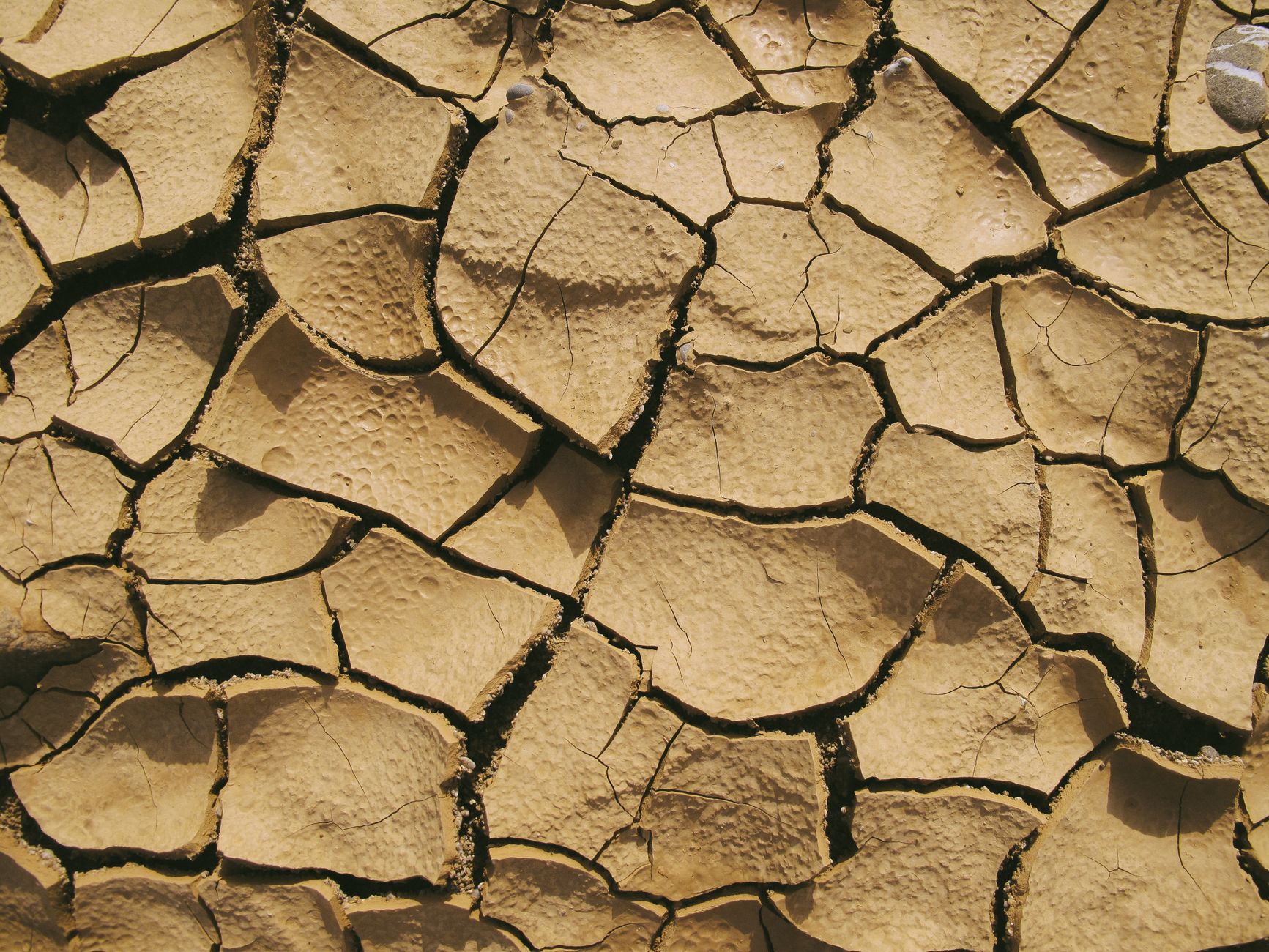
Earth’s Condition Is ‘Serious and Getting Worse’ as Climate Change Intensifies
Recent findings from a comprehensive analysis of Earth’s vital signs reveal alarming trends, with seven out of sixteen indicators reaching unprecedented levels. This urgent report underscores the escalating crisis of climate change, which is further exacerbated by the arrival of the El Niño phenomenon.
The report, conducted by a team of scientists monitoring essential planetary parameters, highlights critical changes that are increasingly detrimental to the health of our environment. Notably, metrics such as atmospheric CO2 concentrations, sea-level rise, and ocean heat content have all reached record highs. These alarming figures paint a stark picture of a planet in distress, with many ecosystems struggling to adapt to the rapid changes.
El Niño, a climate pattern characterized by warmer ocean temperatures in the Pacific, is expected to intensify many of these challenges. Historically, this phenomenon has led to extreme weather events, including increased rainfall in some regions and severe droughts in others. As El Niño develops, it is anticipated to contribute to more volatile weather patterns, further straining natural systems already under pressure from human activity.
Experts indicate that the current state of the planet could have dire implications for food security, water resources, and biodiversity. The compounding effects of climate change have already led to significant disruptions in agricultural productivity and have heightened the risk of natural disasters. With the global population continuing to grow, the urgency to address these environmental issues has never been more pressing.
Among the vital signs monitored, the increase in ocean temperature stands out as particularly concerning. Warmer oceans not only disrupt marine life but also contribute to the intensity of hurricanes and storms. As these trends continue, coastal communities face heightened risks of flooding and erosion, prompting calls for immediate action to bolster resilience.
In light of this report, scientists and environmental advocates are urging governments and organizations worldwide to adopt more aggressive climate policies. Transitioning to renewable energy sources, enhancing conservation efforts, and investing in sustainable practices are critical steps needed to mitigate the impacts of climate change.
The message is clear: the time for action is now. As the planet faces these unprecedented challenges, collective efforts are essential to ensure a sustainable future for generations to come. Without significant changes in how we interact with our environment, experts warn that the situation will only worsen, leading to dire consequences for both people and the planet.
In this pivotal moment, raising awareness and promoting proactive solutions will be key to reversing the trend of environmental degradation and fostering a healthier Earth.