Palestinian Activist Mahmoud Khalil Appeals to U.S. Supreme Court to Avoid Re-Arrest
Mahmoud Khalil, a Palestinian activist and graduate of Columbia University, has formally requested that the U.S. Supreme Court review a recent decision that paves the way for his potential re-arrest and deportation by federal immigration authorities. The case stems from a ruling by the 3rd U.S. Circuit Court of Appeals, which determined that federal immigration law restricts a lower-court judge’s authority to order Khalil’s release from the custody of U.S. Immigration and Customs Enforcement (ICE).
Khalil’s legal team argues that the appellate court’s decision undermines the judicial protections that should be afforded to individuals facing deportation. They are seeking to challenge the ruling on the grounds that it creates a troubling precedent for due process rights within the immigration system. Khalil’s case has garnered attention not only for its implications for his personal freedom but also for its broader impact on the treatment of activists and immigrants in the United States.
Originally from Palestine, Khalil has been a vocal advocate for Palestinian rights and has participated in various activism efforts throughout his educational career. His situation has drawn significant public interest, particularly among Arab-American communities who are concerned about the implications of immigration law on political expression and activism.
The legal battle began when Khalil was taken into custody by ICE. His attorneys maintain that his activism should not be grounds for his deportation, arguing that it is a violation of his First Amendment rights. In their petition to the Supreme Court, they contend that the appeals court’s interpretation of immigration law is overly restrictive and fails to consider the unique circumstances surrounding Khalil’s case.
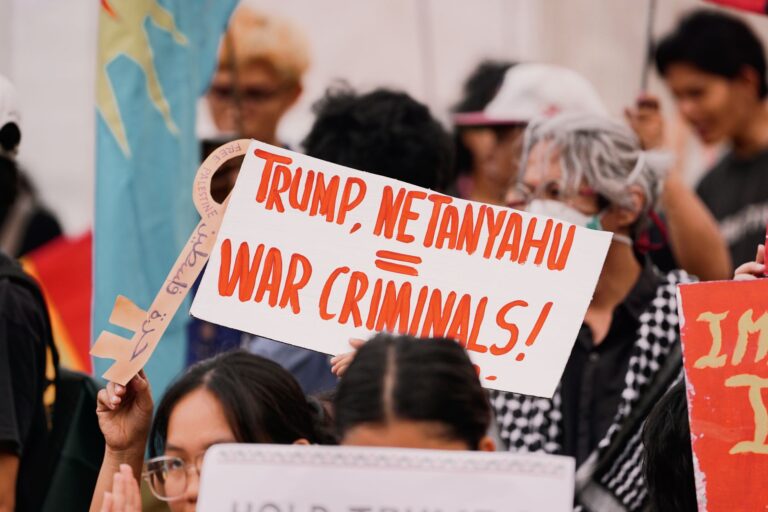
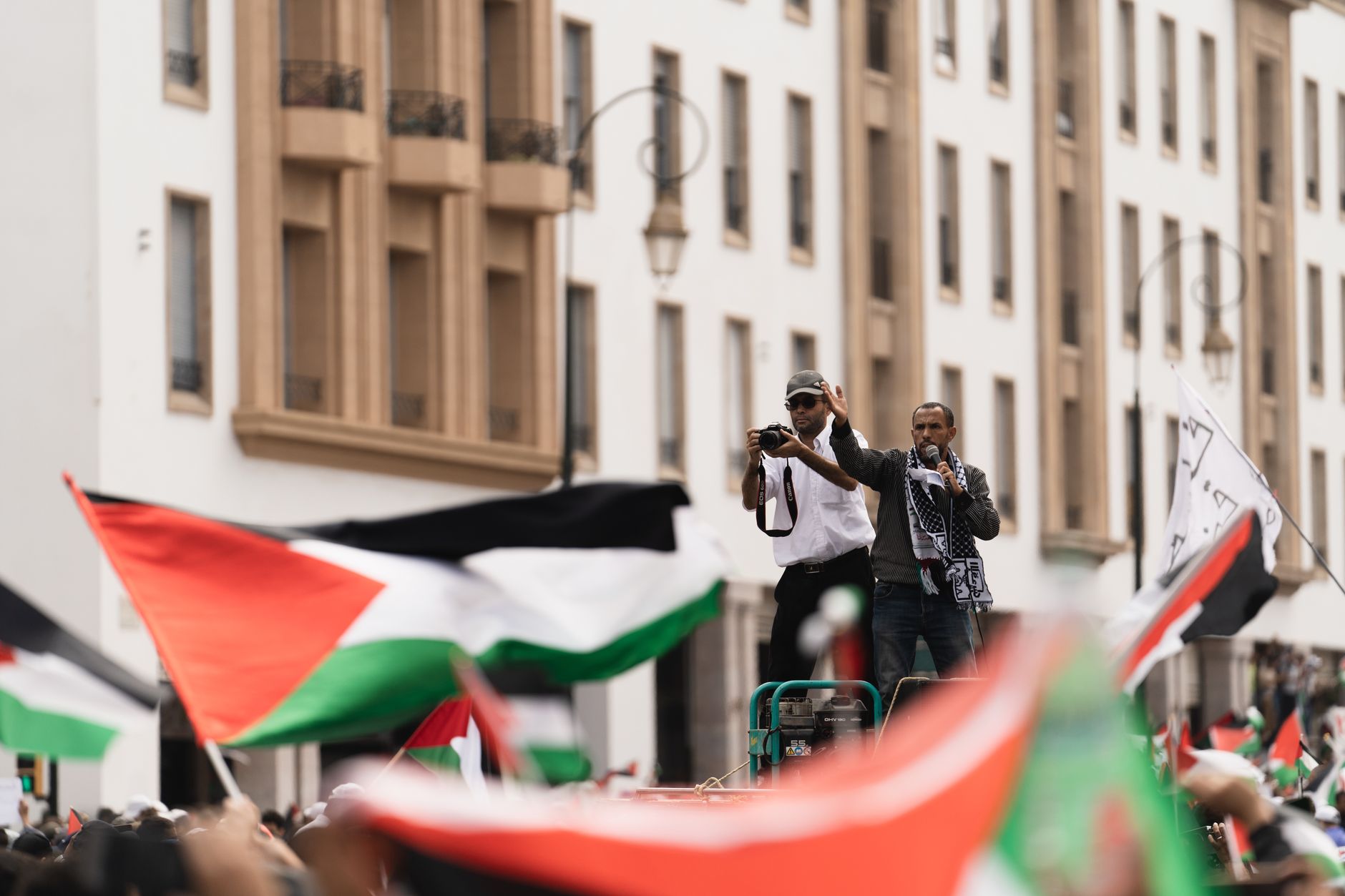
Khalil’s supporters have rallied around him, viewing his fight as emblematic of larger issues affecting immigrant rights and civil liberties in the U.S. They are calling for a reassessment of how activists are treated within the immigration system, particularly those who advocate for marginalized communities.
As the Supreme Court prepares to review the case, the outcome could have significant ramifications for Khalil and others in similar positions. Legal experts suggest that the justices will need to balance the government’s immigration enforcement priorities against individual rights, particularly in cases involving political speech and activism.
The Supreme Court’s decision to hear the case could ultimately shape the landscape for immigrant rights in the United States, making it a critical moment for Khalil and his advocates. As the legal proceedings unfold, many are watching closely to see how the Court addresses these complex issues that lie at the intersection of immigration law and civil liberties.