Saudi Airport Closure Disrupts Life in Kingdom’s Capital
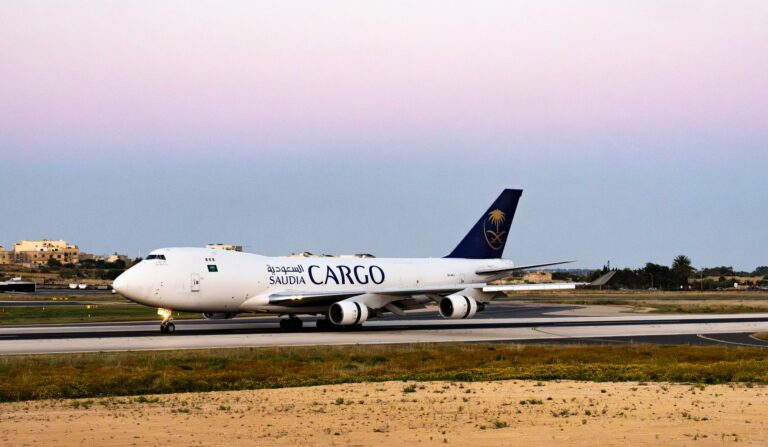
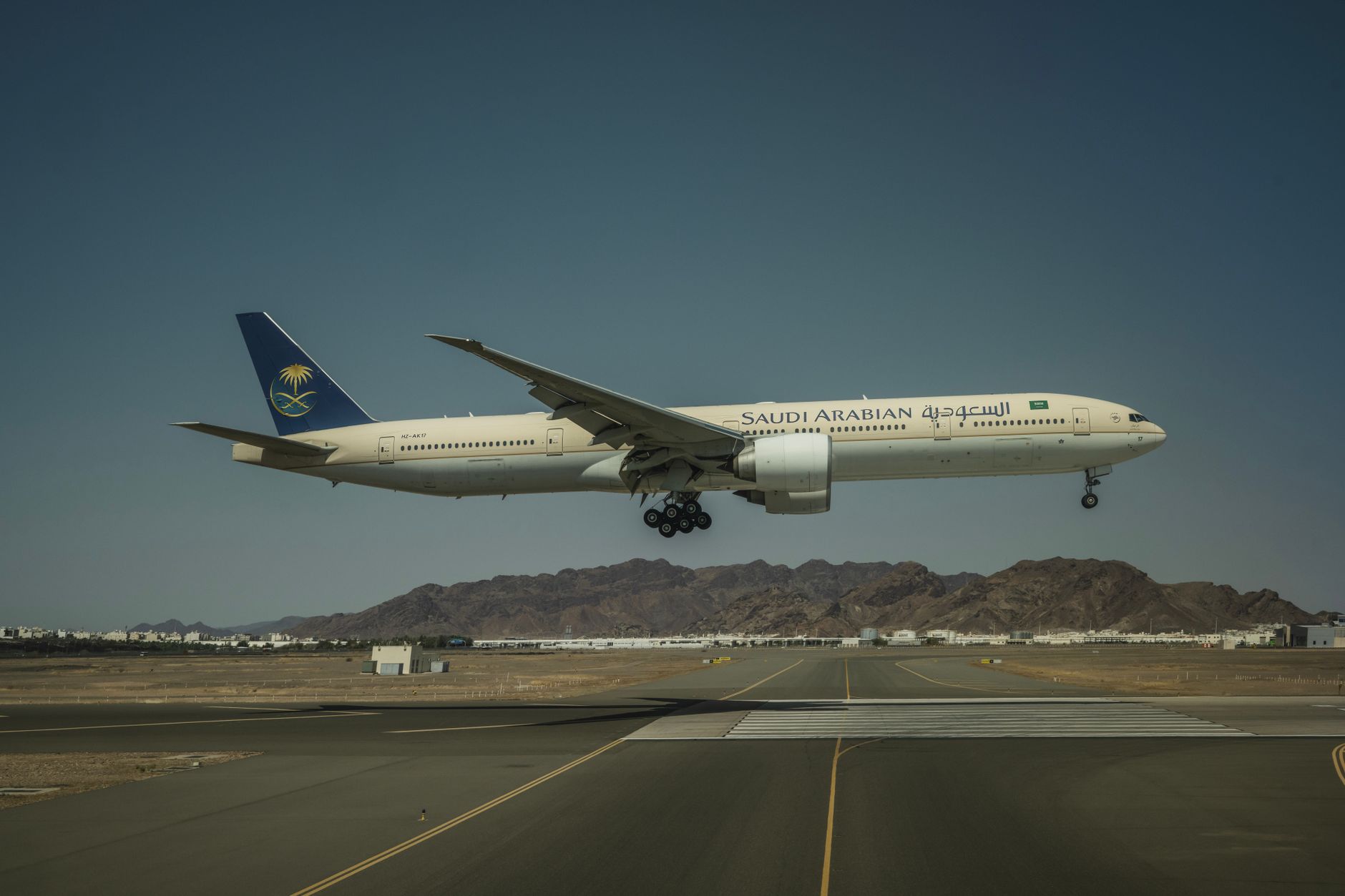
The closure of Riyadh’s international airport, prompted by a series of deadly attacks, has significantly impacted daily life in Saudi Arabia’s capital. The kingdom’s efforts to reshape its global image are now facing considerable challenges as businesses, airlines, and local residents grapple with the consequences of the airport’s shutdown, which has persisted for over a week.
Recent attacks attributed to Yemen’s Houthi forces have raised security concerns and forced authorities to suspend all flights at the airport indefinitely. This unexpected closure has not only disrupted travel plans for thousands of passengers but has also led to the cancellation or postponement of numerous events, including the highly anticipated investment forum known as “Davos in the desert.” This event is particularly important for Saudi Arabia, as it aims to attract international investors and showcase the nation’s economic diversification efforts.
The repercussions of the airport’s closure extend beyond immediate travel disruptions. Local businesses that rely on tourism and international trade are experiencing a downturn, as both domestic and foreign customers are unable to reach the capital. The hospitality sector, including hotels and restaurants, is facing particularly tough times, with many establishments reporting a significant drop in revenue.
Airlines are also feeling the impact, as they scramble to accommodate stranded passengers and manage the logistical challenges posed by the sudden halt in operations. Many travelers have been left with uncertainty regarding flight rescheduling and refunds, leading to frustration and confusion.
In response to the situation, Saudi authorities have increased security measures around the airport and other critical infrastructure in the capital. They are working to restore normal operations as soon as possible, but the timeline for reopening the airport remains unclear. The government has emphasized its commitment to ensuring the safety of its citizens and visitors, which is paramount in light of the recent attacks.
This incident underscores the ongoing security challenges that Saudi Arabia faces, particularly in the context of its ambitions to improve its international standing and attract foreign investment. The kingdom has been actively working to diversify its economy through initiatives like Vision 2030, which aims to reduce dependency on oil revenues and promote tourism, entertainment, and technology sectors. However, events such as these pose significant hurdles to achieving those goals.
As Riyadh navigates this crisis, the resilience of its residents and the adaptability of its businesses will be crucial in overcoming the immediate fallout from the airport closure. The international community will be closely watching how Saudi Arabia responds to these challenges and whether it can maintain its momentum in fostering a more open and welcoming environment for global engagement.