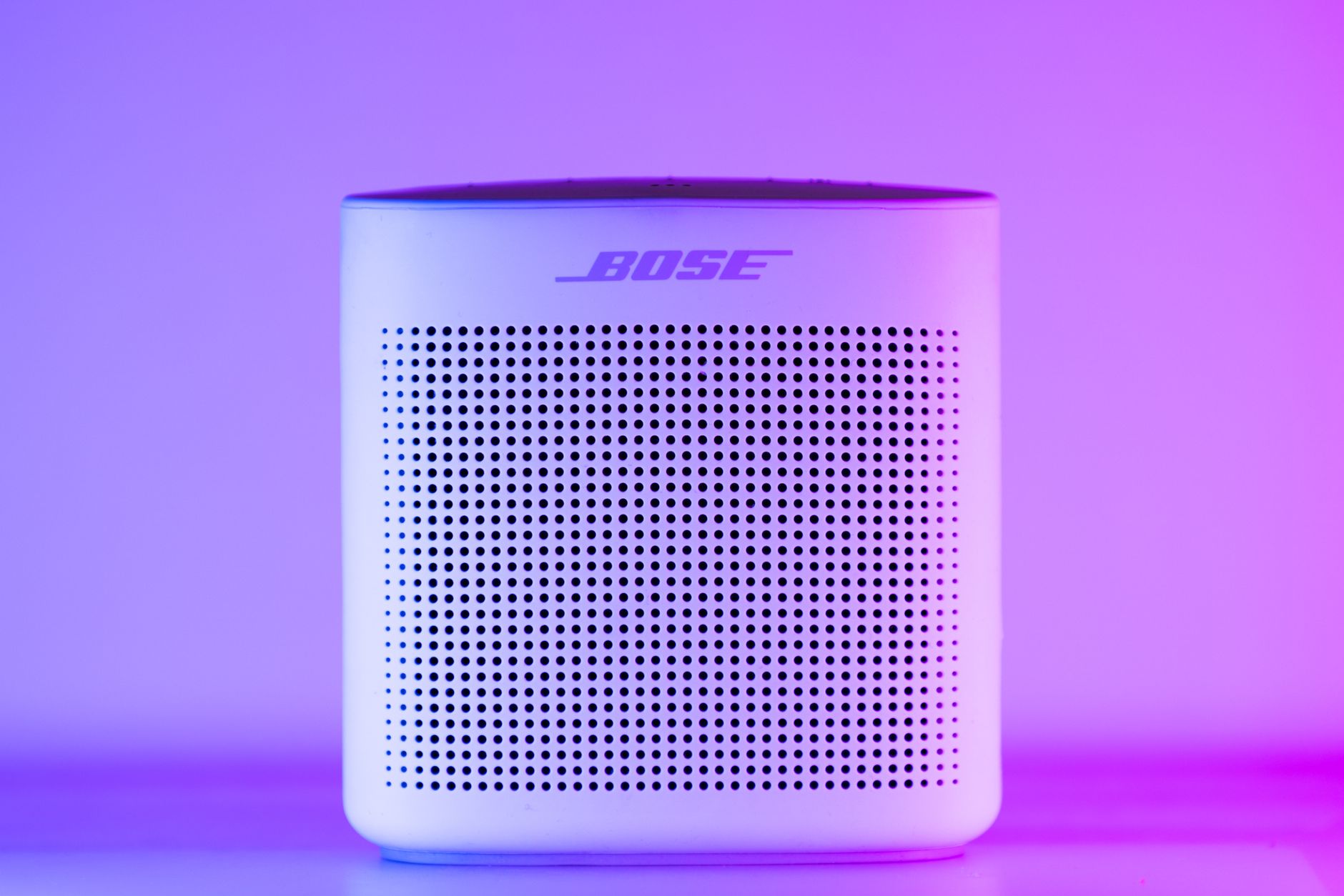
Bose Acquires Skullcandy: A Strategic Move to Capture New Audiences
In a surprising but strategic move, audio giant Bose has announced its acquisition of popular headphone and audio accessory brand Skullcandy. This union is set to take place while Skullcandy remains headquartered in Park City, Utah, a location synonymous with a vibrant skate and snow culture. This decision reflects Bose’s ambition to tap into a younger, more budget-conscious demographic that has eluded them in recent years.
Founded in 2003, Skullcandy quickly became a household name among action sports enthusiasts, thanks to its unique blend of style and affordability. The brand’s products are not just functional; they are also trendy, often featuring bold designs that resonate with a youthful audience. By keeping Skullcandy in its original location, Bose aims to preserve the brand’s authentic identity while leveraging its own technological expertise.
For years, Bose has been recognized for its premium audio quality and high-end pricing, appealing primarily to audiophiles and professionals. However, their recent acquisition of Skullcandy signals a shift in strategy. Bose seeks to broaden its market reach by incorporating affordable options that still deliver quality sound. This merger allows them to enter the competitive space of youth-oriented audio products without losing the essence of what makes Skullcandy appealing to its fans.
Industry analysts suggest that this acquisition is a win-win for both companies. Bose stands to gain valuable insights into the lifestyle and preferences of a younger audience, while Skullcandy can benefit from Bose’s research and development capabilities. This synergy could result in innovative products that blend Skullcandy’s trendy aesthetic with Bose’s renowned sound quality.
The move also aligns with current trends in consumer behavior, where younger audiences are increasingly drawn to brands that resonate with their lifestyle and values. As music consumption evolves, especially in the realms of streaming and social media, having a brand like Skullcandy under its umbrella could help Bose adapt to these changes more effectively.
Moreover, the acquisition comes at a time when the audio market is becoming more saturated with a plethora of brands vying for attention. By integrating Skullcandy into its portfolio, Bose can diversify its offerings, making it easier to compete with direct rivals and emerging brands alike.
In conclusion, Bose’s acquisition of Skullcandy is more than just a business transaction; it’s a strategic alignment designed to capture a larger share of the evolving audio market. By embracing the skate culture and appealing to budget-conscious listeners, Bose hopes to redefine its brand presence and connect with a younger generation of music lovers. As the two companies prepare to collaborate, many are eager to see how this partnership will reshape the landscape of audio technology in the years to come.