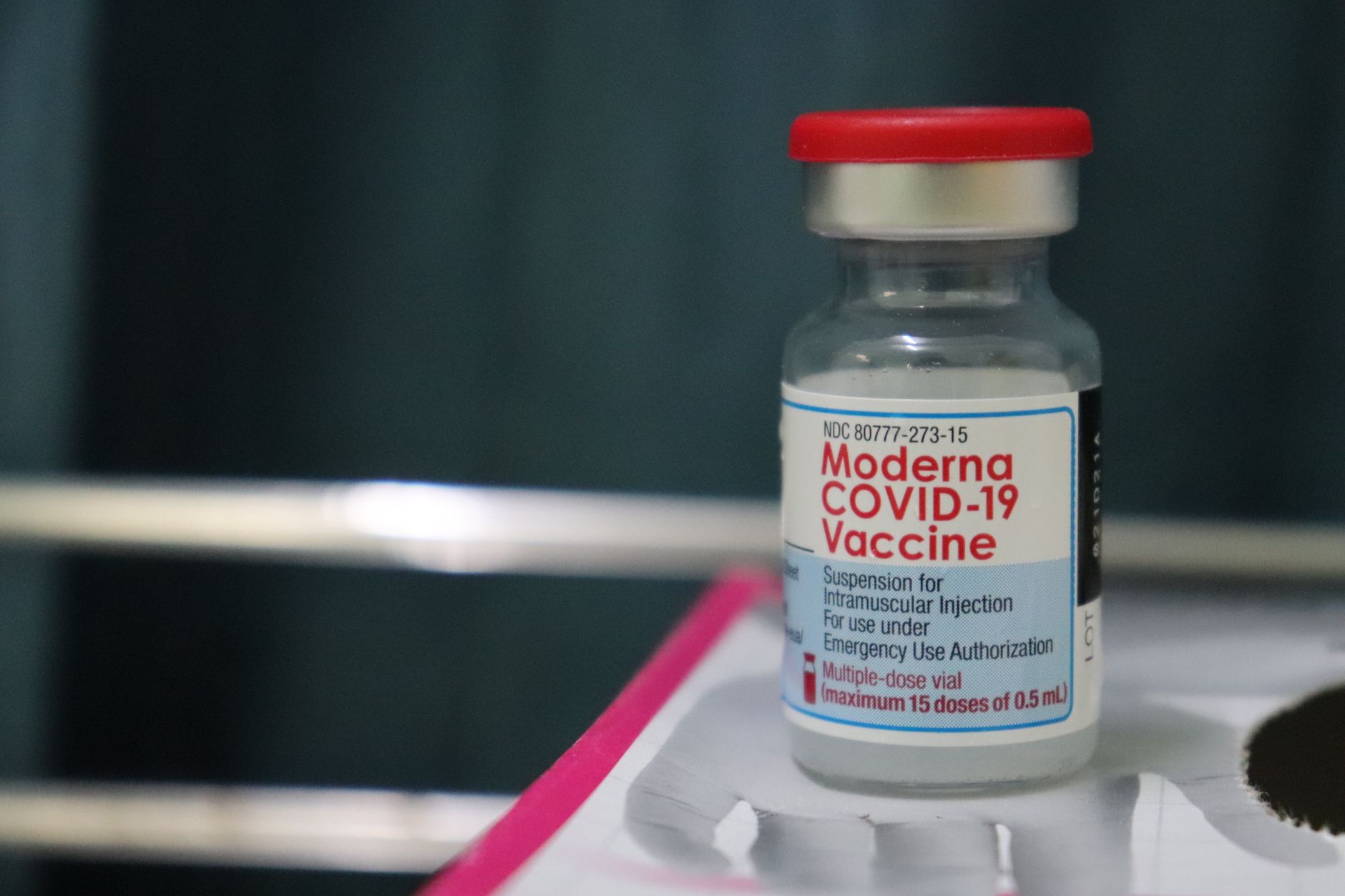
Moderna and Merck Report Promising Results for mRNA Cancer Vaccine, Reducing Death and Recurrence by 42%
In a groundbreaking development in cancer treatment, Moderna and Merck have announced significant findings from their collaborative clinical trial of an mRNA-based cancer vaccine. This innovative vaccine reportedly reduces the risk of death and recurrence of certain cancers by an impressive 42%.
The companies shared these promising top-line results, which follow previous reports indicating that the trial had achieved its intended goals. The vaccine is designed to stimulate the body’s immune system to recognize and target cancer cells more effectively, potentially revolutionizing how we approach cancer therapy.
The trial focused on patients with melanoma, a type of skin cancer, who had undergone surgery to remove their tumors. Participants received the mRNA vaccine alongside Merck’s well-known immunotherapy drug, Keytruda. This combination aims to enhance the body’s immune response and improve long-term outcomes for patients who often face a high risk of cancer recurrence.
Moderna and Merck emphasized that these results represent a significant step forward in the fight against cancer, a disease that continues to pose a major health challenge globally. The mRNA technology used in the vaccine has gained considerable attention since its successful application in COVID-19 vaccines. Now, its potential in oncology is being explored, offering hope for more effective treatments.
While the trial’s results are promising, further analysis and peer-reviewed studies will be necessary to fully understand the vaccine’s long-term efficacy and safety profile. The companies plan to present more detailed data at an upcoming medical conference, which will shed light on the specifics of the trial, including patient demographics and the overall impact of the vaccine on different cancer types.
As the world witnesses rapid advancements in medical technology, the collaboration between Moderna and Merck showcases the potential of mRNA as a versatile tool in developing treatments beyond infectious diseases. The success of this trial could lead to new protocols for treating not just melanoma but potentially other cancer types as well.
In an era where personalized medicine is becoming increasingly important, these developments highlight the importance of innovative approaches to treatment that harness the power of the immune system. Both companies are optimistic about the future and are eager to continue exploring the capabilities of mRNA technology in cancer treatment.
This announcement is a beacon of hope for patients and families affected by cancer, underscoring the ongoing commitment of researchers and pharmaceutical companies to find more effective solutions in the battle against this complex disease. As the medical community eagerly awaits further details, the progress made thus far marks a pivotal moment in cancer research and treatment.