Putin Puts Trump Ahead of Iran in Bid to Mediate War
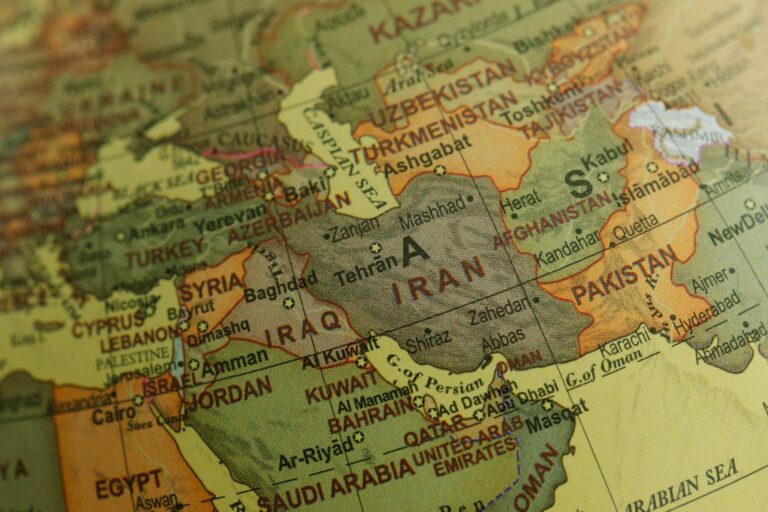
In a notable shift in diplomatic strategy, Russian President Vladimir Putin is reportedly prioritizing discussions with former U.S. President Donald Trump over direct engagement with Iran amid ongoing tensions in the region. This move highlights the complex dynamics at play as geopolitical actors seek to exert influence over the situation in Iran and beyond.
Recent reports indicate that Putin’s approach may be reflective of a broader strategy to leverage Trump’s unique position in American politics. By engaging with Trump, who remains a significant figure in U.S. politics despite his previous presidency, Putin could be positioning himself to gain more favorable outcomes regarding Iran’s nuclear ambitions and its military activities in the Middle East.
Analysts suggest that this strategy underscores Russia’s desire to maintain relevance in a region where its influence has been challenged by the increasing assertiveness of Iran. Tehran’s military backing of regional proxy groups and its contentious nuclear program have drawn international scrutiny, and any dialogue that brings the U.S. back into the fold could change the balance of power.
While Putin’s outreach to Trump signifies a potential shift in diplomatic engagement, there are clear limitations to Russian influence in Iran. Experts point out that Iran has historically viewed Russia with skepticism, often wary of its intentions. The Islamic Republic has its own regional ambitions and aligns closely with other powers, such as China, which complicates the prospect of Russia serving as a mediator.
In tandem with these developments, Israeli Prime Minister Benjamin Netanyahu is reportedly considering the formation of a unity government, potentially catalyzed by military action against Iran. This could take place soon after Israel’s upcoming elections, further raising the stakes in the already volatile region. Netanyahu’s government has consistently adopted a hardline stance toward Iran, viewing it as an existential threat. Any military escalation could provoke a significant response from Tehran, complicating the geopolitical landscape even further.
As tensions mount, the international community remains watchful of these developments. The interplay between U.S. and Russian diplomacy, combined with regional politics, will likely shape the future of Iran’s nuclear program and the stability of the Middle East.
In conclusion, while Putin’s focus on Trump may signal a strategic recalibration in Russia’s dealings with Iran, the inherent challenges of influencing Tehran should not be underestimated. With multiple players involved, the path to a resolution in this complex situation remains fraught with uncertainty, highlighting the delicate balance of power in one of the world’s most contentious regions.